Healing without quotation marks
The population of the planet is aging rapidly. According to WHO forecasts, by the middle of this century, the number of people over 60 years old will exceed 2.1 billion. Global losses from depression and anxiety are estimated to reach $1 trillion a year.
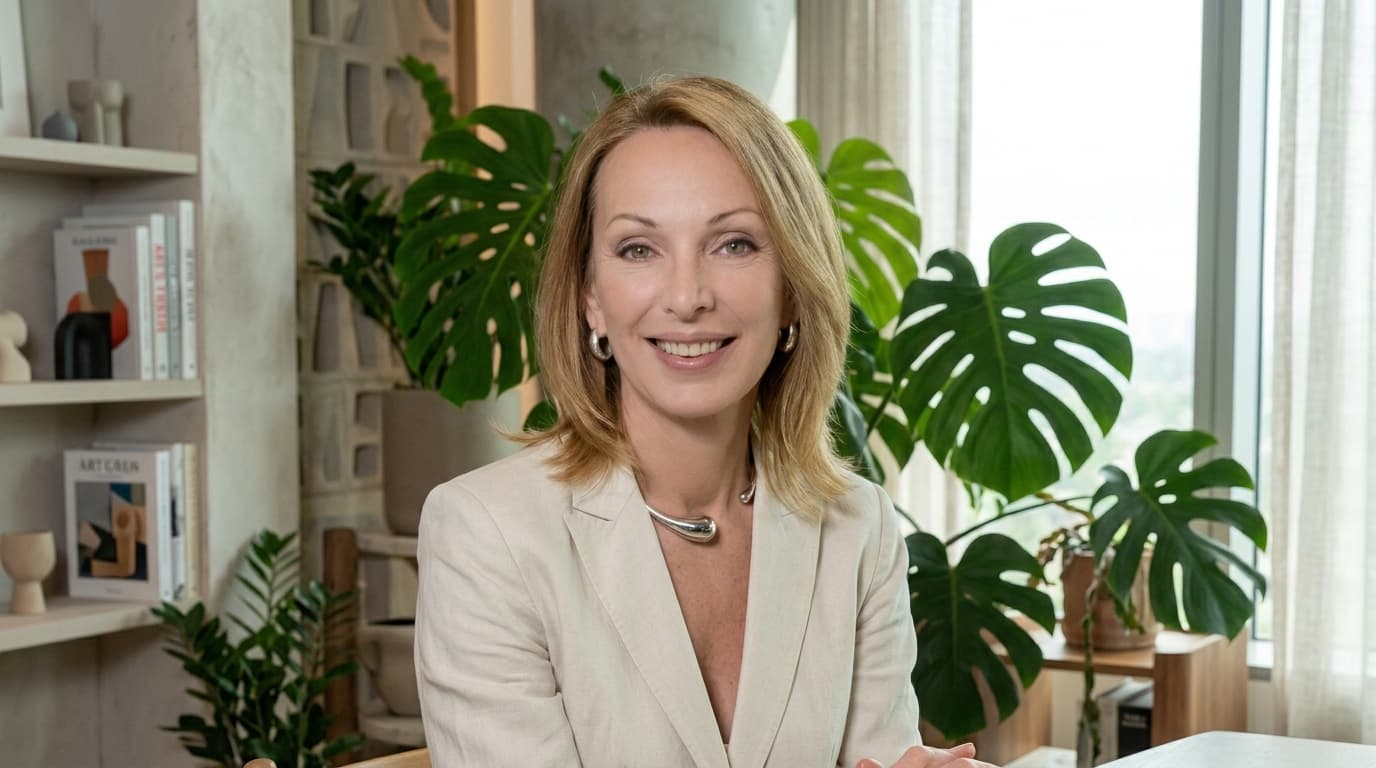
However, less than 10 percent of private health investment goes to women’s health, although autoimmune diseases affect 78 to 80 percent of women. These figures indicate a general trend: health is no longer an episode of a visit to the doctor and becomes part of the daily infrastructure of the world’s population. Is the hotel industry ready for this challenge? Hotels with wellness infrastructure are developing about twice as fast as usual. According to analysts, 76% of 4-5 star guests are willing to pay for such infrastructure. This is no longer a fashionable addition, but a key factor in the hospitality economy. The very evolution of the hotel over the past decades shows the movement of the market: from ascetic bed & breakfast – to relaxation zones (sauna, swimming pool, SPA) and then to medicine – check-ups, tests, genetics, rehabilitation. The next step is to create a healthy environment that connects all the elements into a single system. - Wednesday is not just a quiet cozy room with soft lights and cute curtains, says Svetlana Panarina, President of the Creative Innovations Association and Head of the Health Environment Committee of the BRICS Health Coalition. Healthy environments include sciences such as salutogenic design, neuroarchitecture, biophilia, and others. It is an environment that communicates with a person at the level of the nervous system – through light, sound, air, tactile sensations, smells and spatial scenarios. It affects cortisol, sleep quality, attention and recovery with proven health benefits. The guest should not feel a gap: in the room, restaurant, on a walk, in a spa, in a medical unit - the environment works for physical and psychological recovery. An important element of such an environment is "seamless", both the environment itself and all services - accommodation, nutrition, health. For example, if the hotel and the medical center work separately, then in case of a problem situation at any of these sites, the entire facility receives a negative review. Customer reviews and recommendations are becoming a very important element of the “health economy”. Marketing specialists know that attracting guests through grateful “likes” and friendly reviews significantly reduces regular advertising costs. At the same time, the average check for the service increases by 15-25%, and the capitalization of the object grows by 10-15%. The staff also wins: a comfortable environment reduces the number of minor appeals and conflicts, employees burn out and get sick less. A number of public health studies have estimated that comparing the average cost of treatment with the share of health budget expenditures leads to the conclusion that one year of health prevention is comparable to 6-7 years of treatment. If hotels, resorts and sanatoriums become a preventive environment, the load on the system decreases, active longevity grows, and the workforce is preserved. - Prevention is economically and socially more profitable than treatment, emphasizes Svetlana Panarina. Everyone wins: the created comfortable environment helps people to get sick less, business saves on hiring, sickness and turnover. Society: fewer sick days, more active years, lower anxiety and burnout. Taking care of the health of every citizen becomes part of the daily infrastructure, not a luxury for a select few.” Health is no longer an episode. It is becoming an infrastructure and the hotel business is at the forefront of this transition. Hotels that are the first to implement the principles of a healthy environment will receive a premium for price, loyalty of guests and business sustainability. As Svetlana Panarina emphasizes, “care for the health of every citizen becomes part of the daily infrastructure, not a luxury for a select few.” This is no longer a forecast, but a reality that can be measured in numbers.