Neuropsychologist explained why hyperprotection interferes with recovery after a stroke and how to help a loved one
Relatives may unwittingly make it difficult for a person to rehabilitate after a stroke. On how to avoid mistakes and not burn out those who care for loved ones.
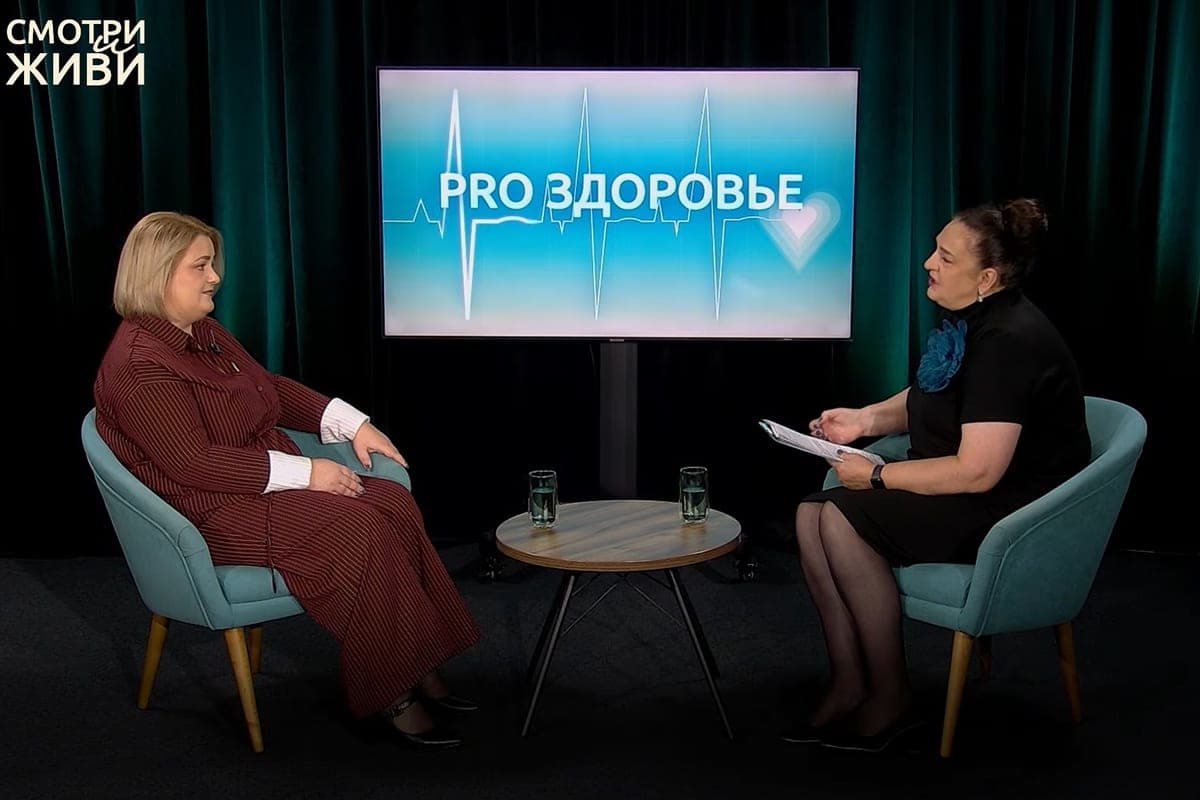
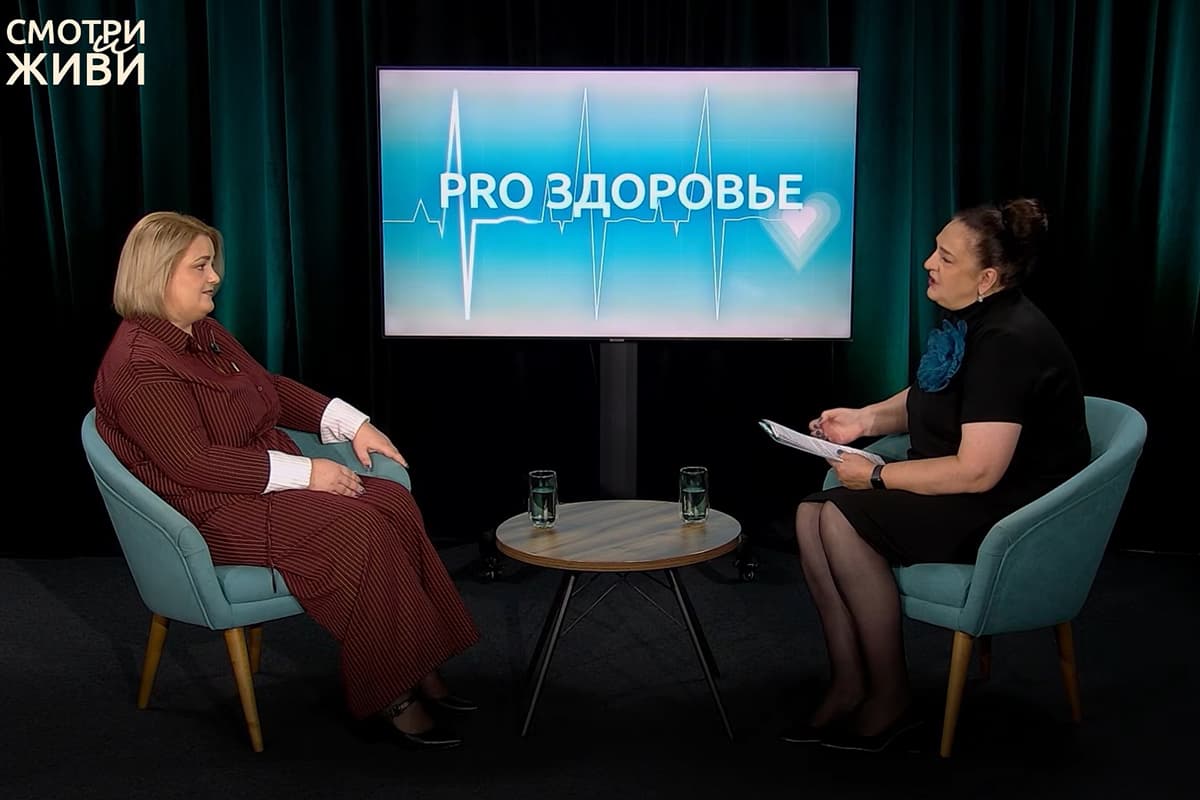
Relatives may unwittingly make it difficult for a person to rehabilitate after a stroke. About how to avoid mistakes and not burn out for those who care for loved ones, told the neuropsychologist for cognitive rehabilitation of the Minsk regional center of medical rehabilitation “Zagorje” Christina Barbarchik on the air of the talk show “PRO HEALTH” on the YouTube channel “WATCH AND LIVE”, writes sb.by.
According to the doctor, overprotection deprives the patient of the opportunity to independently train skills. For example, during the examination, loved ones sometimes prompt answers to questions, although it is important to understand how the person copes with the task himself.
- It's a disservice. If you want a relative to recover and learn to take responsibility, you do not need to constantly help them in this way. Observe: if he does not cope, offer an alternative, but do not answer for him, said Kristina Barbaraczyk.
At the same time, the load should be feasible and correspond to the condition of the patient. Exercises that a person performs with a specialist, it is important to consolidate during treatment in a medical institution, and at home, gradually developing independence. Relatives are advised only to calmly draw the patient's attention to the error, if any.
At the same time, Kristina Barbaraczyk also drew attention to the following:
Complaints of dizziness, headache or pain in the arm can not be ignored and explained by “fictions”. Such symptoms should be reported to a medical professional. First of all, it is the risk of recurrence of the disease.
Separately, the neuropsychologist told about the burden on family members. To reduce the risk of burnout, it is important to distribute responsibilities, monitor your own sleep and daily routine, and delegate some of the worries to other loved ones if possible. Guilt, irritation and fatigue can occur in carers, but this does not make a person a bad relative. It is important to notice your condition and, if necessary, ask for help.
Watch the PRO HEALTH project on the Watch and Live YouTube channel every Sunday at 12:00. Specialists in various fields will answer popular questions of concern to everyone in simple language and with humor.
Aggression, tearfulness, violent laughter: how stroke changes human behavior