Mold under fallen foliage and dry air: pulmonologist explained the autumn risks for asthmatics
With the onset of autumn, people suffering from bronchial asthma face a sharp deterioration in health and frequent attacks. On non-obvious natural...
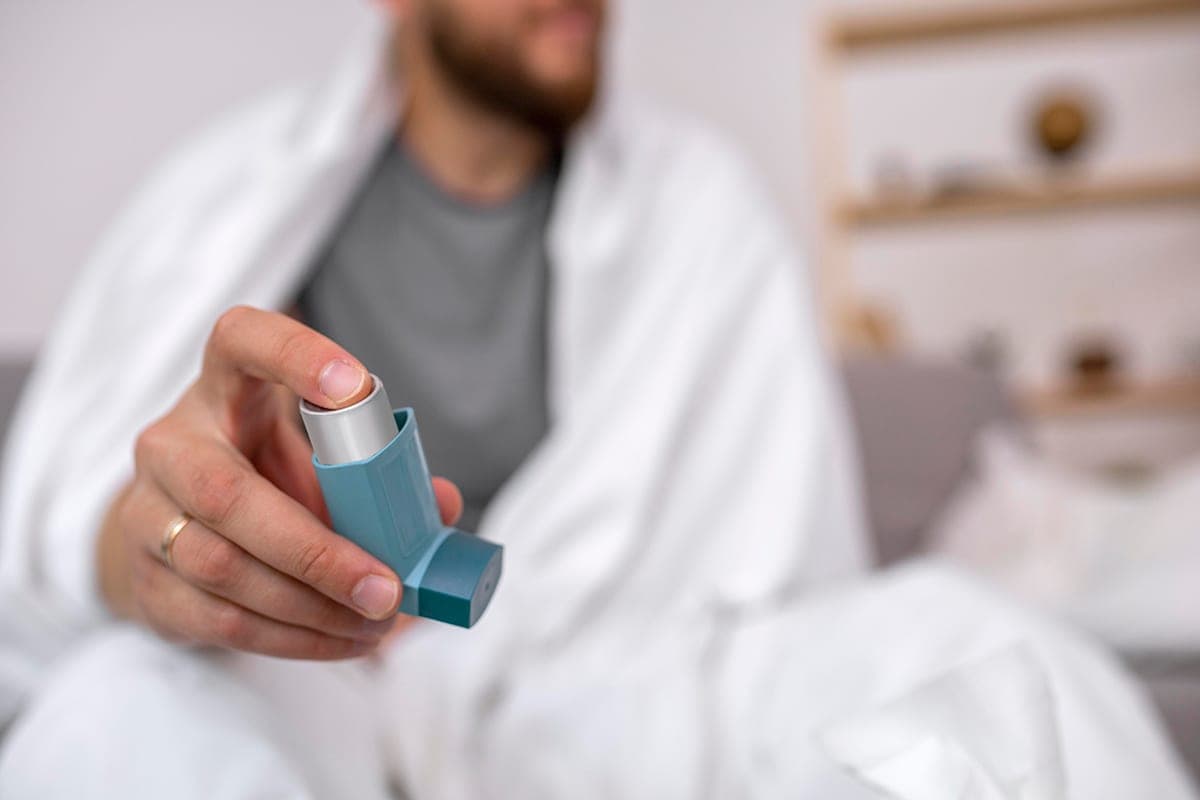
With the onset of autumn, people suffering from bronchial asthma face a sharp deterioration in health and frequent attacks. About the non-obvious natural triggers of the disease and the correct microclimate in the apartment told the Russian doctor-pulmonologist Alexander Puryasev, writes sb.by.

The main seasonal threat on the street lies in fallen leaves. While the earth retains heat, and the rains saturate it with moisture, mold develops under the deciduous carpet, the doctor notes:
“At the slightest gust of wind, the mold, together with the foliage, rises into the air and enters the respiratory tract. The owners of cottages and homesteads are most at risk when cleaning the territory.”.
In the off-season, asthmatics are in danger in their own apartments. Before turning on the heating in the premises is kept cool and damp, provoking the growth of mold in unventilated bathrooms. The situation is aggravated by dust mites, fur and scales of the skin of pets, sharp smells and seasonal viral infections. Attempts to warm up with the help of air conditioners also pose a threat: air conditioning filters often accumulate pathogenic microorganisms.
With the beginning of the heating season, the nature of the threat changes: dampness is replaced by dried air from hot batteries, which irritates hypersensitive bronchi. In order not to provoke spasms of the respiratory tract, the doctor advises to focus on the indications of a home hygrometer. The normal humidity level should be from 50% to 60%. If the indicators fall below 50% (up to 40-30%), it is necessary to use a humidifier regularly.
Bloating after milk: gastroenterologist explained the difference between the norm and intestinal pathology