Vitamin E: what affects, what signs of deficiency and what foods contain
Vitamin E is not just a “beauty vitamin”, but an important antioxidant: it protects cells from oxidative stress and helps the body resist wear and tear. ...
Vitamin E is not just a “beauty vitamin”, but an important antioxidant: it protects cells from oxidative stress and helps the body resist wear and tear. But how exactly does it work, what are its benefits - and by what signs can you suspect that it is lacking? Russian endocrinologist Olga Pavlova told sb.by.
According to Olga Pavlova, this vitamin affects several body systems at once:
- Supports the health of the skin, hair and nails - improves elasticity, moisture, accelerates the healing of tissues. Also, vitamin E strengthens immunity and has an antioxidant, including rejuvenating, effect, helps to maintain eye health: slows down age-related changes in the retina. In addition, it is involved in maintaining reproductive health: it affects fertility, libido, hormonal levels, sperm activity. Vitamin E supports the nervous system: normalizes the transmission of nerve impulses, reduces the risk of conduction disorders, regulates blood clotting and protects red blood cells from premature destruction.
As the endocrinologist explained, most often vitamin E deficiency occurs in people who consume little fat or have impaired digestion and absorption:
- A lack of vitamin E may indicate dryness, early aging and deterioration of the skin, hair loss and dryness. In addition, numbness, seizures, weakness and stiffness due to a violation of nerve conduction, visual impairment and dry eyes. Also, a lack of vitamin E indicates apathy, deterioration of the emotional background, a decrease in libido.
Olga Pavlova said that to get vitamin E with food, you should include in the diet:
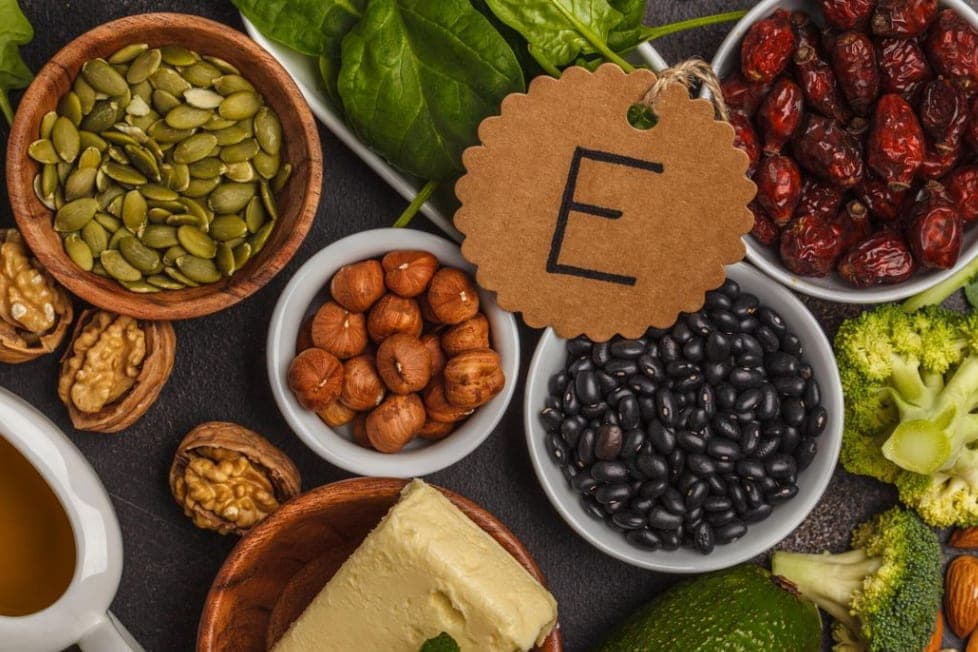
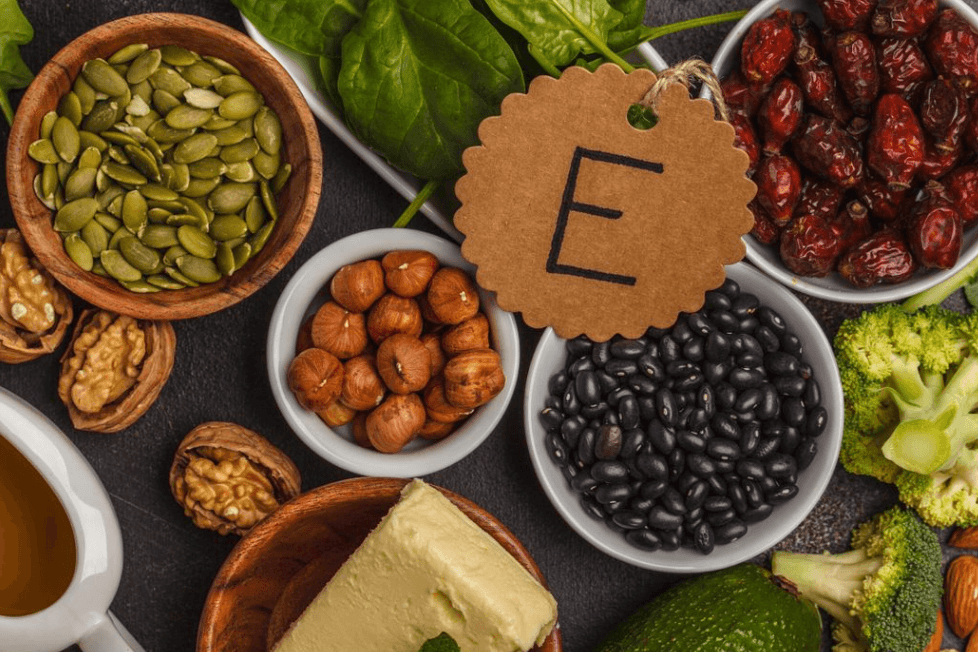
Vegetable oils (especially wheat germ oil, as well as sunflower, almond, olive, etc.). Nuts (almonds, hazelnuts, pine nuts, peanuts) and seeds. Wheat sprouts. Greens and vegetables (spinach, broccoli, asparagus, leafy cabbage, green salad, red Bulgarian pepper, pumpkin). Avocado, mango, sea buckthorn, rosehip. Fish, chicken and turkey.
- Since vitamin E is fat-soluble, for its absorption, foods should be consumed along with fats - for example, fill salads with vegetable oil, she added.
The level of vitamin E can be determined by a blood test from a vein. The target indicator is the value from the middle to the upper limit of the laboratory norm.
The nutritionist listed the frequent mistakes in the treatment of diabetes, which jumps sugar