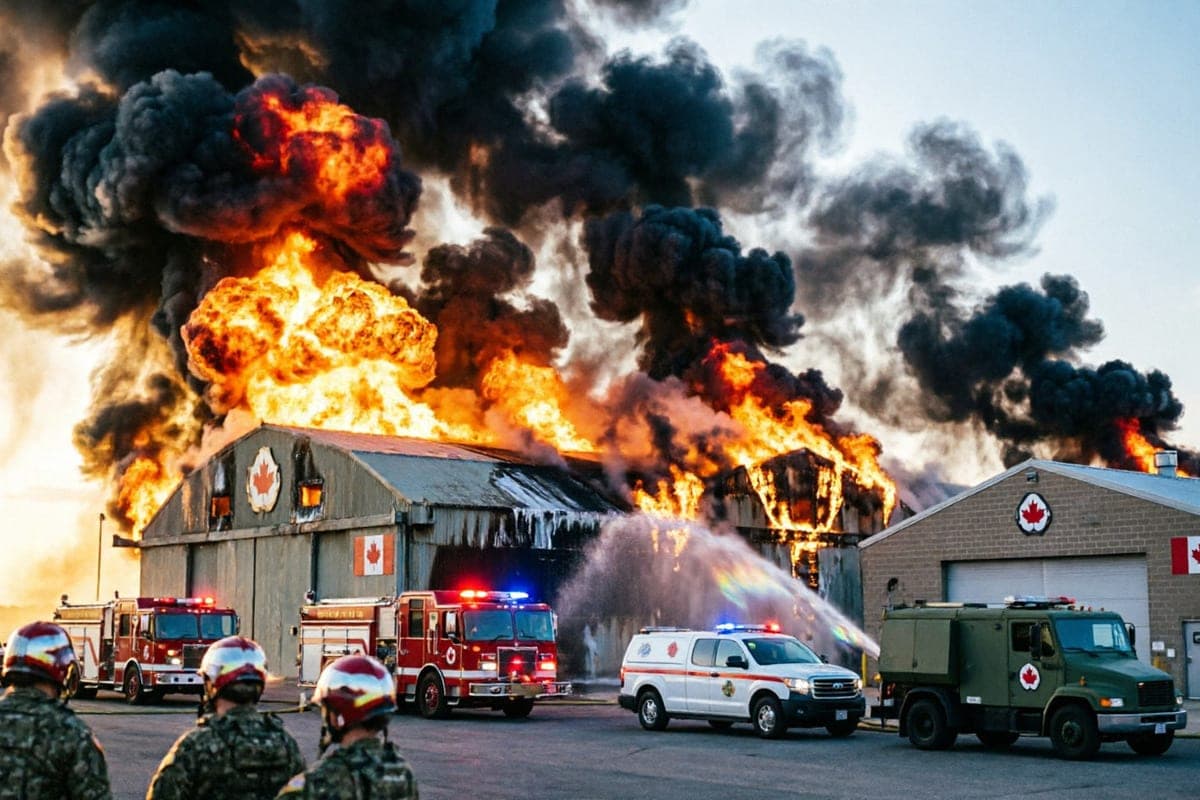
Dorothea Puente buried the dead tenants in the courtyard and received their benefits
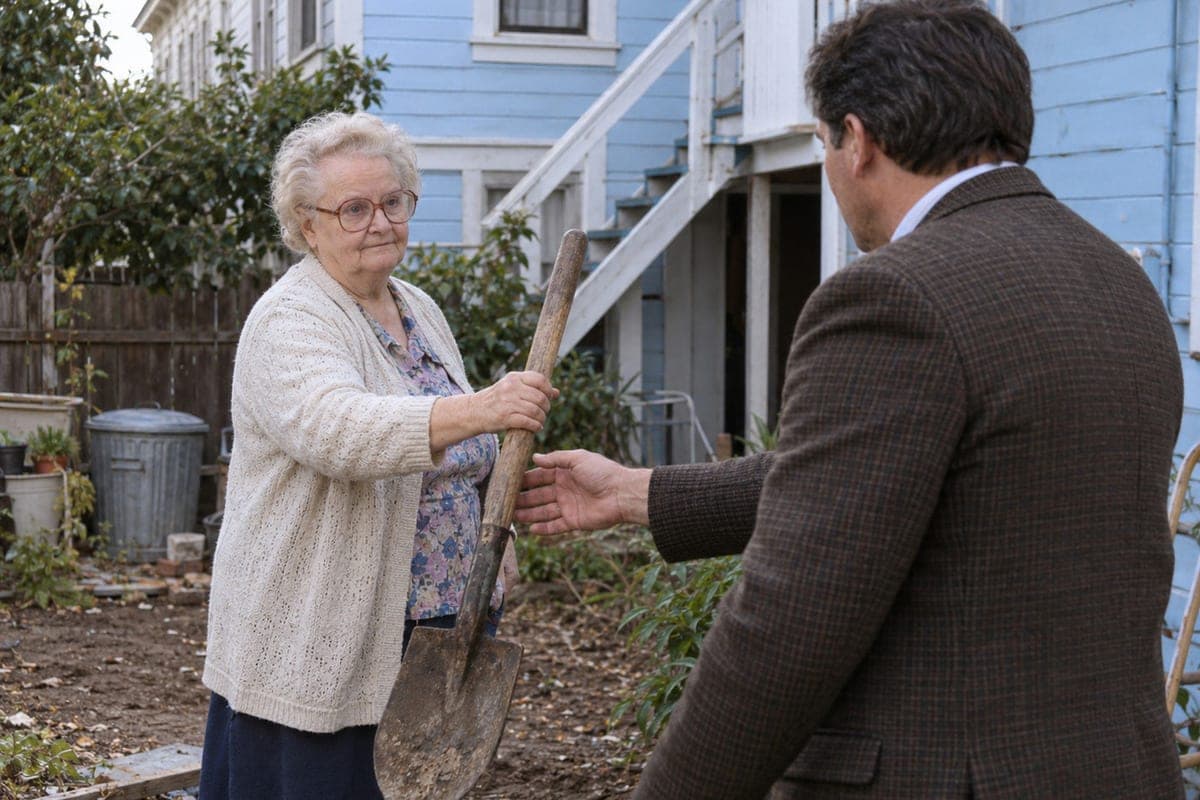
On November 11, 1988, Dorothea Puente allowed police officers to dig in the yard of her boarding house in Sacramento and lent them a shovel. They searched for one missing tenant, and a few days of excavation found seven bodies. Social workers sent people here who needed care. After the death of the guests, the hostess continued to receive their payments.
Alvaro Gonzalez Montoya was known as Bert. He did not have a permanent home, and due to intellectual disabilities, he needed outside help. In February 1988, Judy Moise, a social worker, placed him in a Puente boarding school.
In October, Moise found out that Bert was no longer in the house. At first the hostess said that he went to Mexico. Later, another version appeared: he returned from there and moved to Utah. Moise continued to look for the ward and filed a police report on November 7.
The arriving employee spoke to Puente and guest John Sharp. In the presence of the hostess, the tenant confirmed her story about Bert's departure. But before leaving the policeman managed to hand him a note: "She makes me lie for her.".
Sharp later told about the large pits in the yard. They were dug up, filled up, and some places were filled with concrete.
Puente accepted those who were refused by other boarding houses: the elderly, the homeless, people with addictions and mental illness. She helped arrange benefits and supported charitable programs. She was considered a caring hostess. The old lady wore large glasses and dressed neatly. In 1988, she was 59 years old.
Since 1986, social worker Peggy Nickerson has sent 19 clients to Pointe.
However, keeping a boarding house was already forbidden. In 1978, Puente was convicted of forging the signatures of guests on checks and placed under supervision for 5 years.
Then she took care of people in their homes. In 1982, she received a new sentence: 5 years in prison for robberies using intoxicating drugs. After serving 3 years, Puente was released in September 1985. She was forbidden to maintain a boarding school, care for the elderly and dispose of other people's government checks.
By 1988, she was again accepting tenants and dealing with their payments. After Puente's arrest, social workers explained to The Washington Post that they lacked the time and resources to verify her past.
On November 11, 1988, Detectives John Cabrera and Terry Brown, along with Federal Supervisory Service officer Jim Wilson, came to 1426 F Street. Puente allowed her to inspect the house, then agreed to the excavation.
The object found in the ground at first appeared to be a police root. When it was removed, it turned out to be a human bone. The first body found was Leone Carpenter, whose identity was later identified.
The hostess has not yet been arrested - police believed there was not enough evidence to detain her. The next day, Puente asked permission to go to the nearest hotel for coffee. Cabrera agreed and walked her part of the way.
He went back to dig. When the remains of another man were found, the staff rushed to the hotel. Puente wasn't there anymore.
In the following days, seven bodies were found in the courtyard. Among the dead was Bert Montoya, whom Moses was looking for. In addition to him and Carpenter, there were found veteran army Dorothy Miller, Benjamin Fink, James Gallop, Vera Faye Martin and Betty Palmer.
Puente was detained on November 16 at a Los Angeles motel after a call from a man who recognized her at a bar.
On her way back to Sacramento, she told a reporter, "I didn't kill anyone." I cashed the checks, yes.”.
Puente cashed the guests' checks and gave them small sums. The rest was held, explaining the cost of room, food and other needs. Payments continued after the death of the residents. The prosecution believed that the hostess killed the guests for this money.
Investigators collected government checks, bank statements, checkbooks and handwriting samples. The case included Bert's applications for disability payments and additional social assistance. Some of them signed Puente.
In the case file, fake driving licenses in the name of Betty Palmer with a photo of Puente were preserved. Palmer was among the people buried in the courtyard. And Dorothy Miller Puente's veteran's ID was medically assisted.
Gilmut Puente met Everson by correspondence while serving time. The 77-year-old wood carver picked her up after being released in 1985 and was about to marry her. They opened a joint bank account.
At the end of the same year, Puente hired Ismael Flores to work in the house and asked to make a wooden box with a lid. Part of the calculation with the worker was a pickup Gilmut. Puente explained that the car belongs to her partner, who is in Los Angeles.
When Flores came back, the box was already boarded up. Puente asked to take him to the warehouse, but on the way changed her mind and offered to leave by the river. The worker helped her. He later claimed he did not know about the body inside.
The letter from Irene and Everson is dated December 22, 1985. In it, Gilmut's loved ones were told they were married earlier this month, happy, visiting a longtime friend and going to family in Tulsa.
According to the description of the archivist Kim Hayden, who examined the materials of the case, the letter was written by Puente under the name Irene. Gilmut was dead by then.
In January 1986, a box with the remains of a man was found near the Sacramento River. His identity could not be established at the time.
Another letter on Gilmut's behalf, dated April 19, 1986, was addressed to the Social Security Administration. The author complained that he had not received the check, reported that his bank account had been closed and demanded that payments be sent to F Street. Hayden pointed out that this letter was written in Puente's handwriting.
The police did not yet know whose remains were found by the river, and on behalf of the deceased was already demanded to send money to the boarding house.
After finding the bodies in the yard, detectives questioned Flores. He said he made a box for Puente and then helped her leave it by the river. In 1989, he was identified as Gilmut.
61-year-old Ruth Munro together with Puente was engaged in the restaurant business. In the spring of 1982, she moved in with her partner to save for housing: her husband was in the hospital. Munro's son William Clausen later said that the family considered Puente a nurse.
In April 1982, Munro died of a drug overdose. Her death was initially declared a suicide. The family sought additional verification, but this conclusion did not change.
Investigators returned to the circumstances of Munro's death after seven bodies were found in Puente's courtyard. In total, the hostess was charged with nine murders: Munro, Gilmut and seven people found at the boarding house.
There were no witnesses to the murders. Experts found traces of the same sleeping pills in all seven found in the yard. Investigators examined the recipes, pharmacy records and medicines of Puente and the guests. The exact cause of death could not be established in any of these seven cases.
The defence referred to the occupants' illnesses and possible natural causes of death. The lawyers explained the burial in the courtyard with Puente's fear of calling the doctors and the police: then it would turn out that she again maintains a boarding school, contrary to the conditions of release.
Witnesses claimed that Leona Carpenter, 78, could not make it to the drugs herself.
Due to widespread publicity, the case was moved from Sacramento to Monterey. The hearing on the merits began in February 1993. The jury heard for 24 days.
On August 26, they found Puente guilty of the murders of Dorothy Miller, Benjamin Fink and Leona Carpenter. The first two were classified as first-degree murders, the third as second-degree murders.
When choosing a sentence, the jury was divided: five supported the death penalty, seven - life imprisonment. Prosecutor John O'Mara refused to seek the death penalty again, and Puente was given a life sentence without the possibility of parole.
On March 27, 2011, she died of natural causes at the Women's Prison in Chowchilla. She was 82 years old.
There was no single verdict on the other six charges. The jury did not agree on the murder of Alvaro Montoya, the man whose search led police to the courtyard of the boarding house.
22-year-old daughter of a farmer raped and beat to death workers – revealed details
Apartment cannibal Spesivtsev became a trap for children in Novokuznetsk
Four complaints ended in rejection, and then the husband killed his wife and six children
Slivko hung children under the guise of filming: Honored mentor hid death in the tourist club
"Prison romance" Madueva ended with nagan in "Crosses"
Chikatilo was released with a knife and ropes, after which the murders continued
They beat the family to death in a dream: Colonel of the Ministry of Internal Affairs Gosht was brutally killed along with his relatives
10 years of the blood of the rostov gang “amazon” – they killed and returned home
Angara maniac Mikhail Popkov took women to their deaths in his car for years
Major Yevsyukov shot people in a supermarket and became a symbol of the failure of the interior Ministry
Children's voices heard in the basement, but the police went home
Maniac took women to the forest and began hunting them: in the taiga found dozens of bodies
Supplemented sleeping pills and raped locked up: 2 years of hell from a good grandfather from Yakutsk
Reliable news is always at hand - in the channel "MK" in MAX