Climate goes crazy: El Niño promises hottest year on record
El Niño, which is now warming the planet, is “staggering”: it has already exceeded the maximum temperature ever recorded for this phenomenon, a few months before the expected peak
According to the latest data, the temperature increase in the heart of El Niño in the Pacific Ocean reached 3.05 ° C. This is higher than the 3.02 °C recorded at the end of November 2015, the previous high in 150 years of modern observations. The temperature is measured relative to the average value for 1991-2020.
According to the latest forecasts, based on an average of 14 different models estimated by climatologist Zeke Hausphater, the peak is expected at 4.0°C in November and December. This level is so much higher than previous events that Hausphater called it "stunning" and others described it as "Godzilla level." Any increase in temperature above 0.5 °C is considered an El Niño; an increase above 2 °C is officially called a “very strong” El Niño, often referred to as a “super” El Niño.
The current El Niño is probably the strongest in at least 1,000 years. It will add additional heat to the atmosphere, whose temperatures are already rising rapidly due to human-induced global warming. This double whammy means that 2027 is expected to break previous records and be the hottest year on record.
The climate crisis caused by the burning of fossil fuels is already exacerbating extreme weather events. El Niño will further exacerbate the effects and has already begun to affect regions around the planet, changing weather patterns.
“Very strong El Niñoes like those in 1997/1998 and 2015/2016 have been linked to hundreds of billions of dollars in damage around the world.” This event leaves those far behind, Hausfather said.
Professor Friederike Otto said: This event is a huge redistribution of energy in the climate system, and it is dangerous because it is unfolding against the background of a much warmer climate system, subject to human influence. “So in many places around the world, we will see extreme temperatures that have not been experienced before, with all their implications for health, food security and water stress.”.
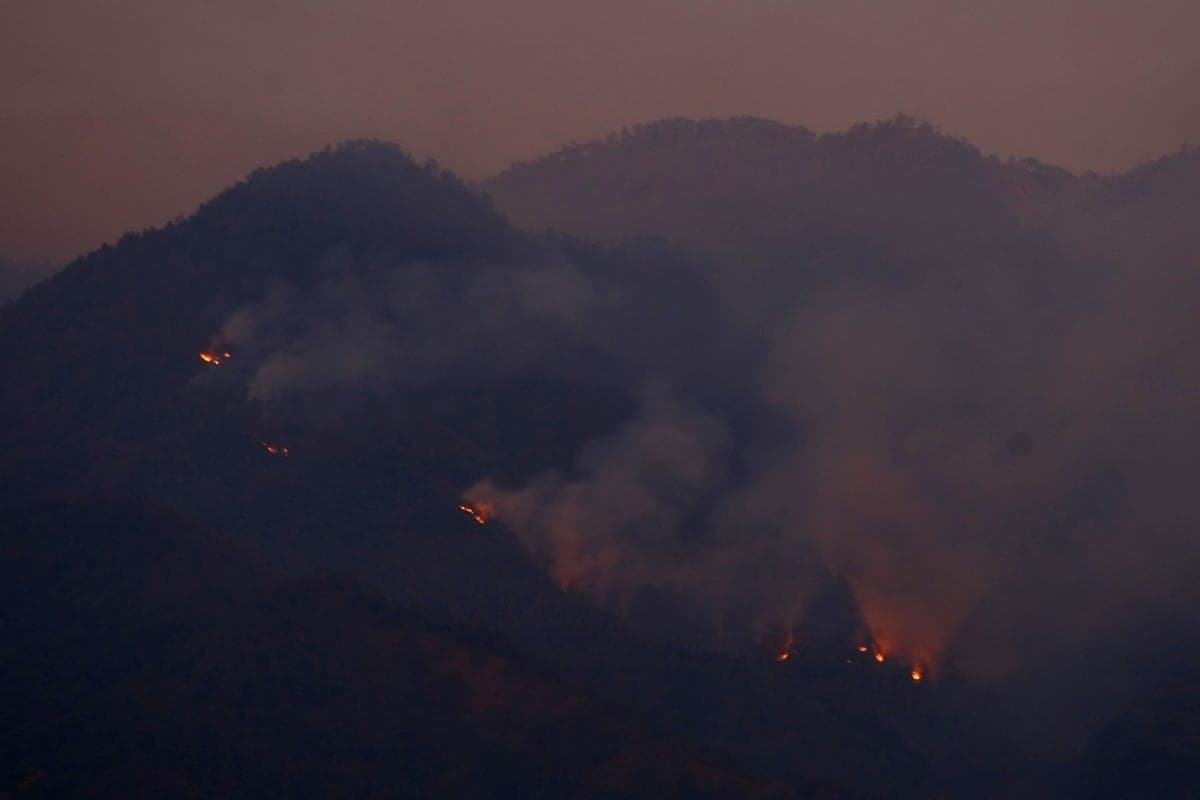
Hot and dry conditions in Indonesia have already triggered record wildfires and deadly levels of air pollution, while vital monsoon rains have declined in India. Dry conditions in Central America and the Caribbean are causing crop losses and slowing trade due to low water levels in the Panama Canal. In August, the World Food Programme said the effects of an El Niño would likely plunge some 50 million people into acute hunger and raise prices.
During the El Niño years, some regions also experience more intense rains and flooding: Peru and Chile are already suffering, access to Machu Picchu is disrupted. The Horn of Africa is also very vulnerable to increased rainfall, and the southern United States is expected to experience heavy rain in winter.
While the usual effects of El Niño are well known, scientists are concerned that the amplifying effects of the climate crisis could change these patterns. This will make it difficult to prepare countries and communities. The UN's World Meteorological Organization said it had launched the largest mobilization in its 50-year history to help national weather services provide "life-saving" forecasts.
"All effects of El Niño are amplified by global climate change," said Professor Kevin Trenbert of the U.S. National Center for Atmospheric Research. The northern summer with excessive heat and wildfires in Europe, North America and Asia is just an example of what awaits us.