The US Fed kept the rate at 3.75-4%
The US regulator kept the rate at 3.75-4%. At the previous meeting, the Fed raised the rate for the first time since July 2023
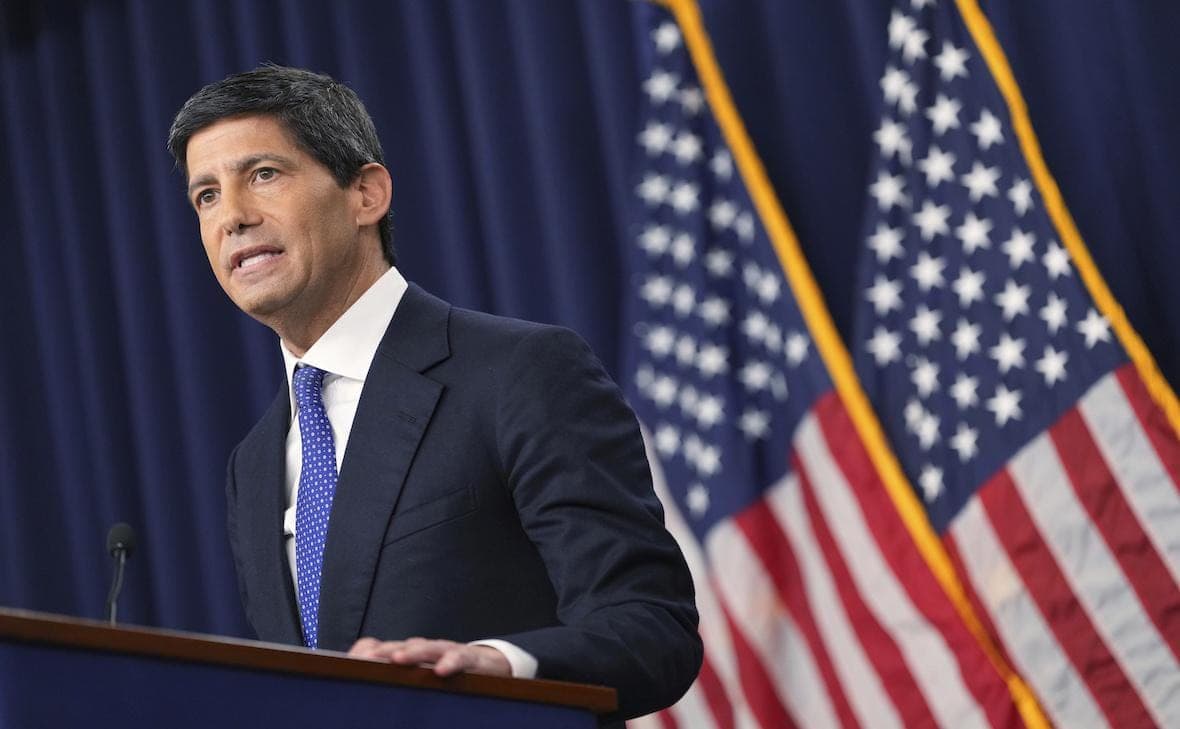
The Federal Reserve System of the United States (FRS), which acts as the central bank of the country, following the meeting on October 27-28, kept the rate at the level of 3.75-4% per annum. This is stated in the press release of the regulator.
At the previous meeting, the regulator raised the rate for the first time since July 2023. Before that, the Fed left the rate unchanged five times in a row.
This is the fourth meeting after the change of the head of the Federal Reserve — since the end of May this post is held by Kevin Warsh.
In 2025, US President Donald Trump repeatedly criticized Jerome Powell, then the head of the Federal Reserve, for not lowering the rate faster. Against this background, Trump called on Powell to resign.
At the end of January 2026, Donald Trump nominated his consultant Kevin Warsh as chairman of the Fed. He was sworn in on May 22.
At the September meeting, Warsh raised the stakes for the first time. As Bloomberg wrote, the US president sharply criticized this decision and blamed his colleagues. Another hike this week, just days before the crucial midterm elections, could provoke a furious reaction from the White House.
What economists predicted
The final decision of the regulator coincided with the expectations of experts interviewed by Reuters. The vast majority of economists – 94 out of 100 – expected that at the meeting on October 27-28, the central bank would keep the rate in the range of 3.75-4%.
At the same time, all 100 survey participants predict a rate increase in December. This is a sharp reversal from last month, when less than half of respondents predicted such a scenario. 38 out of 92 respondents expect at least two more rate hikes, compared to just a fifth in September.
“The economy is strong, inflation is high. There’s really no reason to worry so much about raising interest rates – it’s the easiest solution. Unfortunately, the Fed is not actually taking more drastic action to address the problem. The regulator is treading still and may even be falling behind, said Alex Pelle, senior US economist at Mizuho Securities.
Most experts polled by Bloomberg also predicted the rate would remain in place at the upcoming meeting.
“I don’t expect any changes — I think they will raise rates again in December,” said Steven Stanley, chief economist at Santander US Capital Markets. The hardest part at this meeting, he said, will be that Warsh will have to explain why they didn't go for a promotion in October and why the December option still stands.
“When they went up in September, the reason was that inflation was starting to be a concern,” said Aditya Bhave, head of the U.S. Department of Economics at Bank of America, who, by contrast, predicted an unexpected increase in the Fed rate at the current meeting. Since then, inflation has only gotten worse.
According to the median estimates of survey participants, the personal consumption spending price index – the Fed’s preferred measure of inflation – will exceed the target level by more than 1 percentage point in the coming quarters. Return to the target is not expected until at least 2028.
Higher borrowing costs are also having a negative impact on the economy, and there is a risk that a market correction related to artificial intelligence in the run-up to the midterm elections could sharply tighten financial conditions, Bloomberg Economics reported.
At the meeting on September 15-16, together with the decision on the rate, the Fed presented a new macro forecast for the coming years. According to the published document:
The US regulator has improved expectations for GDP growth this year by 2.3% instead of 2.2%. The Fed predicted that by the end of 2026, inflation will be 3.7% instead of the June estimate of 3.6%. For 2027, the forecast remained unchanged at 2.3%. In 2028, the regulator predicted 2.1% instead of 2%. The forecast rate is expected by the end of 2026 at 4.1% instead of 3.8%, in 2027 - at 4.1% instead of 3.6%, and in 2028 - 3.9% instead of 3.4%.
The U.S. Federal Reserve is an independent federal agency acting as the U.S. central bank that conducts monetary policy and regulates the nation's financial system.
The Board of Governors is the governing body of the Fed. It has seven members, including a chairman. They are appointed by the President of the United States and approved by Congress. The Council conducts national monetary policy, supervises 12 district reserve banks, and supervises and regulates the country’s banking system.
The news is supplemented
Read "RBC Investments" in "Max".