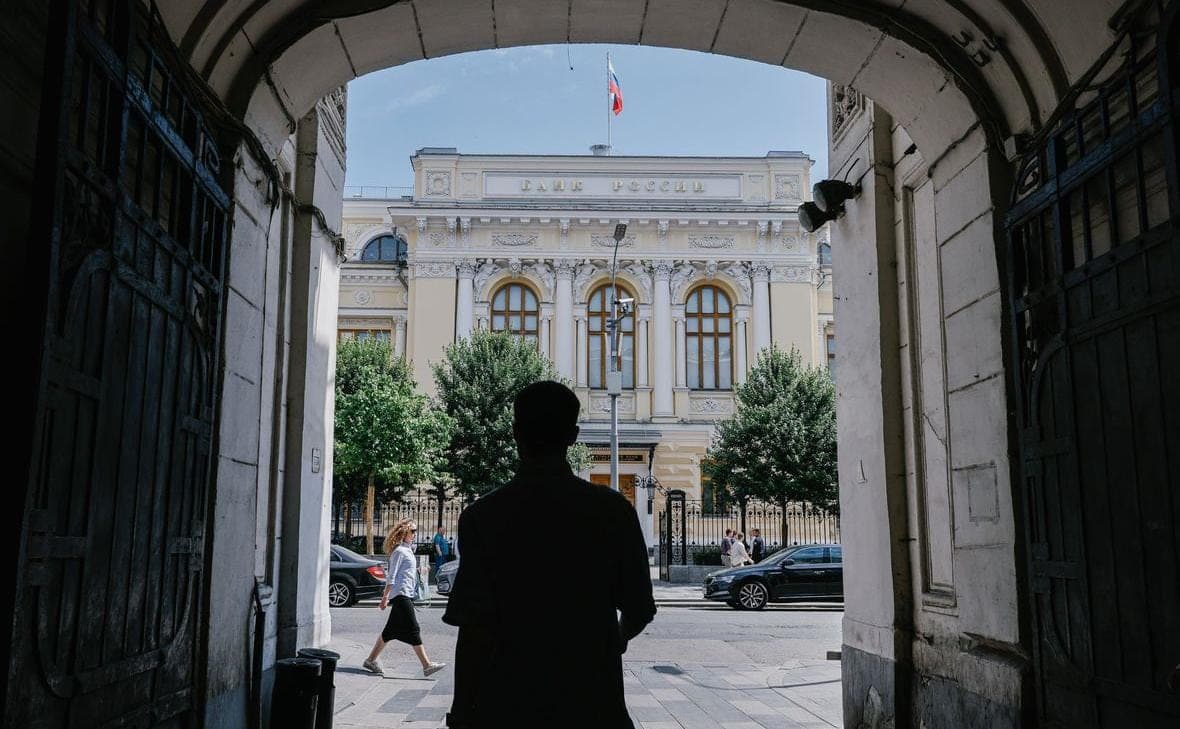
The Central Bank left the official dollar exchange rate on November 13 above 82
The official rates of the dollar and euro are used, among other things, for settlements under contracts on the futures market of the Moscow Exchange
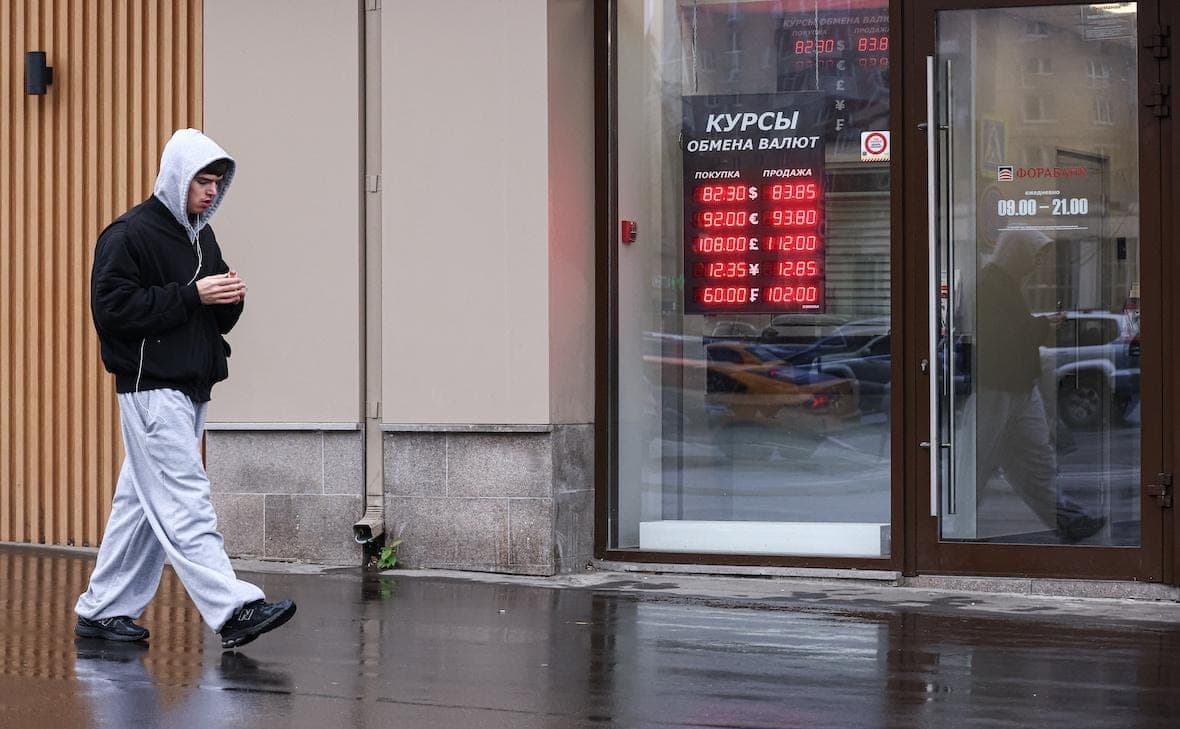
The Central Bank of Russia set the official exchange rate of the US dollar on Friday, November 13, at the level of 82.9803, the euro - 92.3322, the yuan - 12,4009. This is reported on the website of the regulator.
On Thursday, November 12, the Central Bank established the following exchange rates: dollar - 82,6617, euro - 92,6968, yuan - 12,3907.
Thus, the dollar rose by 31.86 kopecks, the euro fell by 36.46 kopecks, and the yuan rose by 1.02 kopecks.
The official rates of the Central Bank of the dollar and euros are used for settlements on contracts on the futures market of the Moscow Exchange, including futures contracts for the dollar / ruble (Si), euro / ruble (Eu), dollar / yuan (UCNY), euro / dollar (ED), dollar / tenge (UKZT), perpetual futures for the dollar / ruble pair (USDRUBF), euro / ruble (EURRUBF), futures for the RTS index (RTS and RTSM) and a number of other instruments.
At auction on Thursday, November 12, the ruble weakened against foreign currencies. By 17:26 GMT, the exchange rate of the yuan (CNYRUB TOM) on the Moscow Exchange increased by 0.29% by the close of trading on Wednesday and amounted to 12.41.
Tool USDRUB TOM at 16:20 MSK rose by 0.02%, reaching .83.04.
The USDRUB TOM instrument reflects transactions with the dollar/ruble currency pair. Payments are made the next day in rubles. The time of concluding transactions is from 9:00 to 19:00 MSK.
Trading of the currency pair USDRUB TOM was held on the Moscow Exchange until June 2024. Officially, trading in the dollar was suspended after the Moscow Exchange was included in the US sanctions list. The dollar continued to trade on the over-the-counter market, where trading operations are conducted directly between participants, without the mediation of the exchange. Deals on the USDRUB TOM instrument resumed in mid-February 2026.
What now affects the ruble exchange rate
As the General Director of Alfa-Forex Guzel Protsenko notes, the pressure on the national currency is exerted by an increase in foreign currency purchases by the Ministry of Finance within the framework of the budget rule, as well as a decrease in oil quotes.
From November 9 to December 4, the Ministry of Finance will buy currency and gold under the budget rule for a total amount of у312.6 billion. The daily volume of operations will be Е15.6 billion. For comparison: from October 7 to November 6, the Ministry of Finance under the budget rule bought currency for у12.7 billion per day.
In addition, the Bank of Russia sells daily currency worth у0.58 billion. Thus, net purchases by the monetary authorities will amount to 15.02 billion a day against 12.12 billion a month earlier.
At the same time, according to Protsenko, oil prices are still at levels that allow the ruble to remain stable. An important factor is the time lag between the change in oil prices and the flow of export earnings to the domestic market: foreign currency sales by exporters continue to support the ruble, she said.
Mikhail Seltzer, an expert at BCS World Investments, adds that the ruble can also support a geopolitical factor that affects the risk premium inherent in the national currency exchange rate.
“Since there were no signals to expand, foreign exchange rates did not receive a driver for further strengthening, and the ruble interrupted the weakening,” he writes.
What will happen to the ruble exchange rate in November: expert opinions
In the second decade of November, as Protsenko expects, the dollar will be 80-85, the euro - 89.5-94, the yuan - 12-12.5. The ruble will support oil prices, which, according to the expert, in November will be $ 80-100 per barrel of Brent and $ 60-85 per barrel of Urals. In addition, she argues that geopolitical news can provide additional support for the Russian currency.
Bogdan Zvaric, head of analysis of banking and financial markets at PSB, also believes that the ruble can moderately strengthen due to the stabilization of oil prices, improving geopolitical expectations, as well as a gradual recovery in foreign exchange supply from exporters.
In the second half of November, he sees opportunities for a more substantial rise in the national currency, which could lead to the return of the yuan to the 12 region.
The news is supplemented