The West now needs not a lasting peace, but a pause in the conflict to prepare for a new round of confrontation
Deputy Head of the Faculty of the General Staff of the Military Academy of Belarus Andrei Bogodel on the air of ONT spoke about the split in Europe and the goals of the West in the negotiations.
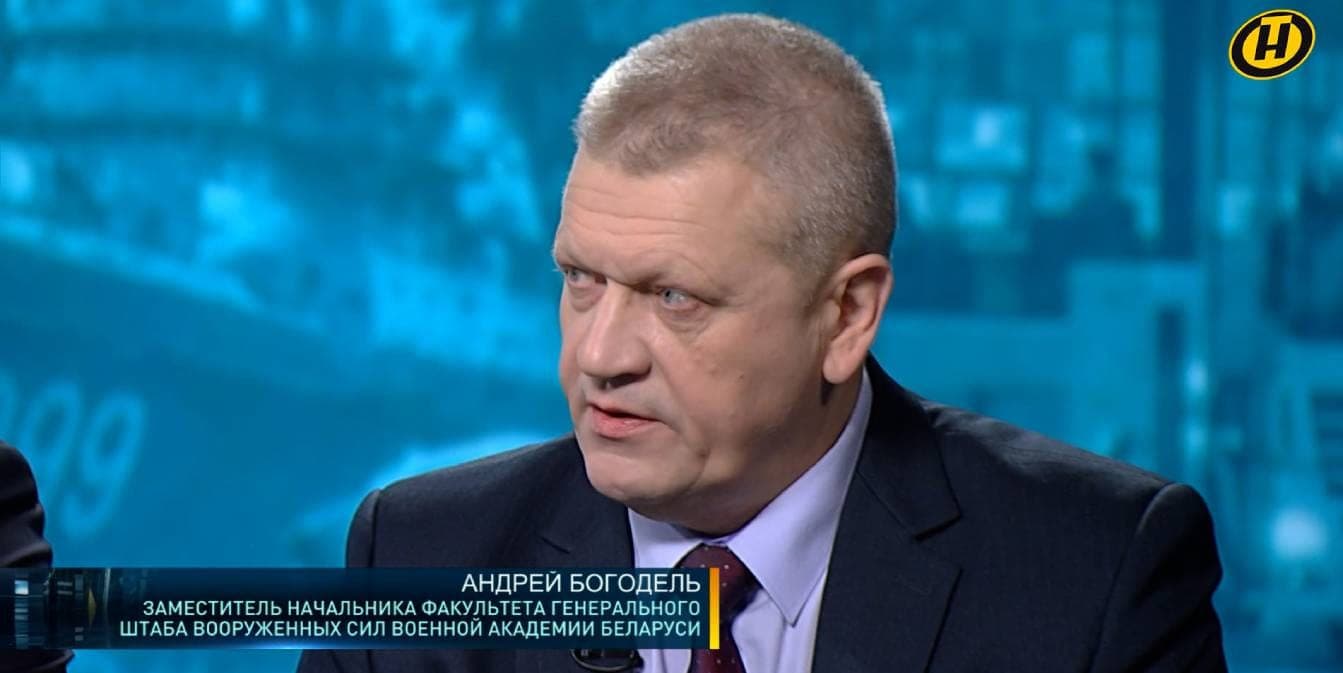
In the short term, Western countries do not need a lasting peace, but a temporary freeze of the conflict to rebuild the economy and prepare for a new round of confrontation by 2030. This was stated by Deputy Head of the Faculty of the General Staff of the Armed Forces of the Military Academy of Belarus Andrey Bogodel on the air of the talk show “Objective No” on the ONT channel.
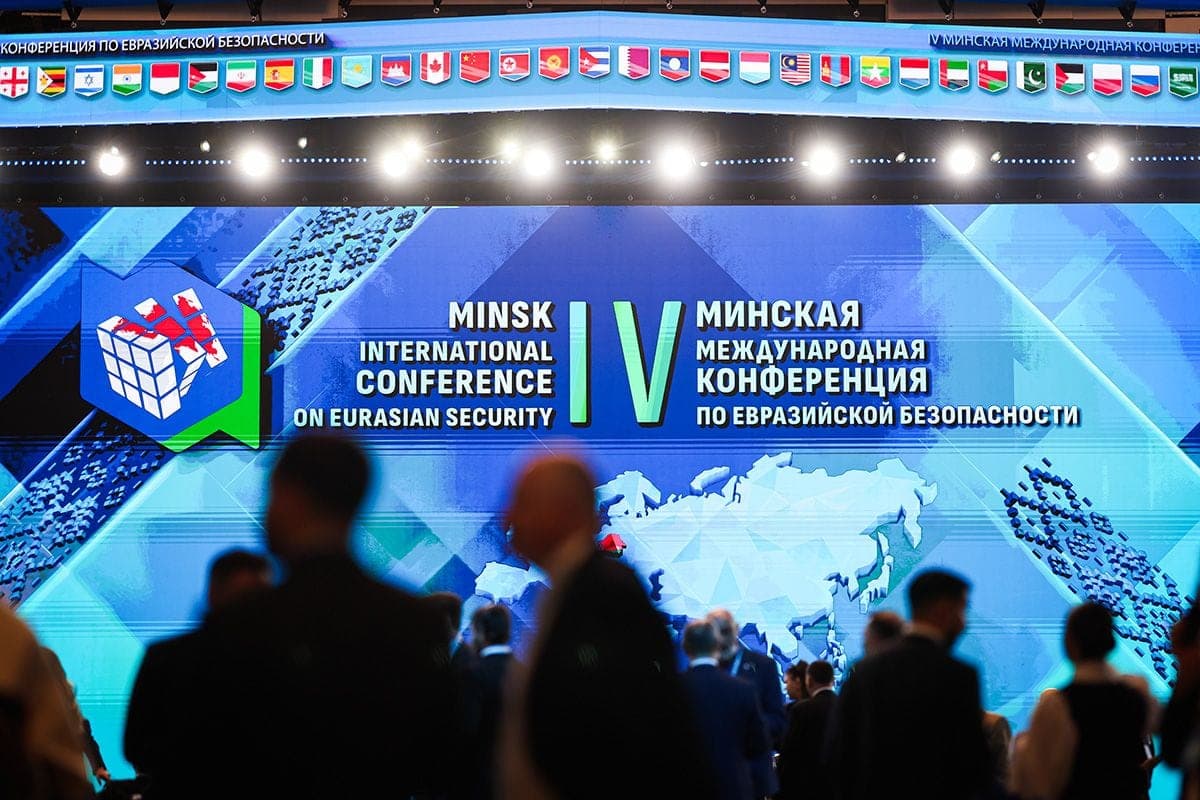
The expert drew attention to the difference between the concepts of peace and the cessation of hostilities. He recalled the statement of the President of Belarus at the IV Minsk International Conference on Eurasian Security, where it was noted that the hot phase of the conflict may end in the foreseeable future, but a number of Western leaders are already instilling in their citizens the idea of the inevitability of a collision with Russia by 2030.
Today, I understand that Europe does not need peace, but an end to the war without delay. Why? Because today everyone is focused on the next 2029-2030. To do this, we need to rebuild the economy, rebuild our military plans, mobilize society and prepare for the next round. No one has canceled the task that Russia should be dealt a strategic defeat in 2030. This is a medium-term perspective, Andrei Bogodel noted.
In the short term, the West seeks to conclude a truce and freeze the conflict on its own terms. At the same time, he stressed, Europe is not excluded from the negotiation process: American representatives Steve Whitkoff and Jared Kushner both before the trip to Abu Dhabi and immediately after it held consultations with European politicians and Vladimir Zelensky.
According to the expert, there is no unity within the European Union itself – two opposing camps have clearly formed there:
Revanchists (such as Kaya Kallas, Ursula von der Leyen, Friedrich Merz) who advocate continued confrontation and use the image of an external enemy to distract the population from domestic problems – huge debts, migration crisis and educational difficulties, and pragmatists – business and political representatives who have invested in the industry and economy of the Asia-Pacific region, who suffer billions of dollars in losses due to sanctions and advocate a return to normal trade and procurement of resources from Russia.
How can we talk about future projects today when, on the one hand, half of the world is sanctioned and the other half is on fire? It is clear that the upcoming meeting of the three strongmen of this world [the leaders of Russia, China and the United States] is primarily about the economy and the security of the region where they are located, Bogodel concluded.