Richard Sorge: 20 facts about the most famous spy of the Soviet Union
A legendary scout, one of the main prototypes of Agent 007 and the man who saved Moscow. Today 20 facts about Richard Sorge

Imagine a person who looks like the embodiment of the Aryan ideal. He is a World War I veteran, a talented German journalist and member of the Nazi Party. He drinks sake with Japanese generals, plays golf with the German ambassador and openly sympathizes with Hitler. The ideal patriot of the Third Reich.
But in fact, this man is a staunch communist and an agent of the Soviet Union. A legendary scout, one of the main prototypes of Agent 007 and the man who saved Moscow. Today, 20 facts about Richard Sorge.
Richard Sorge was born on October 4, 1895 in the village of Sabunchi, Baku province of the Russian Empire. His father, Gustav Wilhelm Richard Sorge, was a German engineer and worked in the oil companies of the Nobel brothers. Her mother, Nina Kobeleva, was Russian. When Richard was three years old, the family returned to Germany. Incidentally, Sorge would later joke to his Moscow friends: I can consider myself an Azerbaijani. I don’t know a word in Azerbaijani.
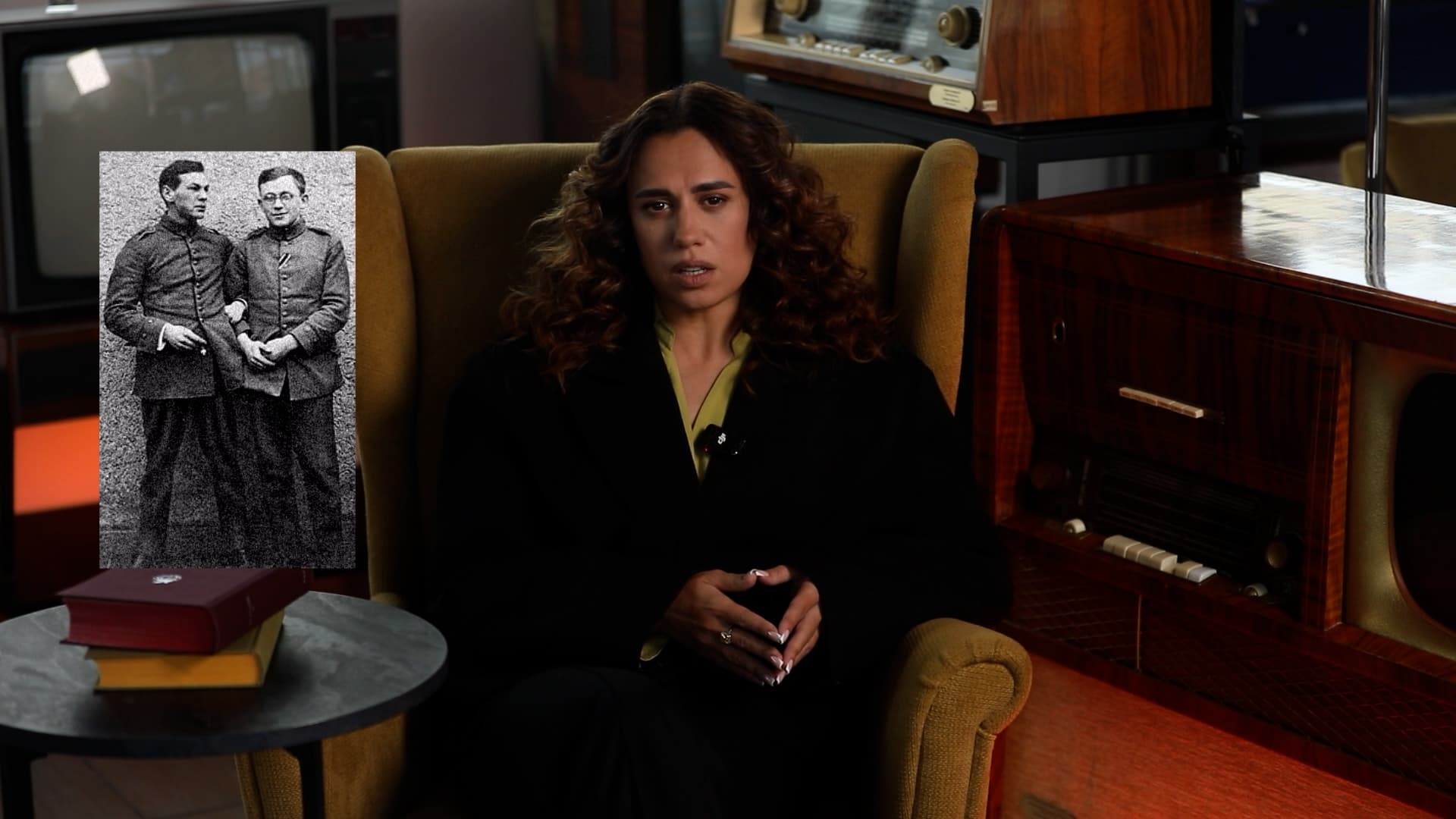
He studied at a real school in Berlin, and in 1914, when the First World War began, he volunteered for the German army. Richard had a very romantic view of war. Served in artillery on the Western Front, in 1915 in battles with the Belgians was wounded for the first time. At the hospital, he will receive a certificate of maturity. After recovery, in 1916 he will participate in the Verdun meat grinder and will receive a second wound. In 1917, he is sent to the Eastern Front to fight against the Russians, and here he receives a third wound, hangs for three days on barbed wire bleeding and will always remain with an injury – one of his legs will be shorter than the other, and Sorge will limp. His friends will die in the war, and Richard will be completely disillusioned with the war. “The world war ... had a profound effect on my whole life,” Sorge wrote. I think that whatever influence I may have had from various other factors, it was because of this war that I became a communist.

During his treatment in Königsberg, he begins to immerse himself in communist literature and becomes infected with the ideas of communism. Richard’s paternal cousin, Friedrich Adolf Sorge, was a famous communist. After the 1848 revolution in Germany, he emigrated to the United States. He personally knew Karl Marx and Friedrich Engels, was in active correspondence with them, and even served as secretary of the General Council of the First International. So Richard's interest in Marxism was, to some extent, a family history.
After demobilization, Sorge returned to his studies and entered the University of Kiel, and in 1919 he received a doctorate in public law at the University of Hamburg. Later, in 1919, he received a degree in economics. By that time, Sorge was already a member of the Independent Social Democratic Party (not to be confused with the National Socialists), and had been a member of the Communist Party since 1919.
Also in 1919 (event rich had a year) Sorge marries his associate student Christiana Gerlach. He conducts active revolutionary activities, is engaged in propaganda work, works as a journalist. In 1920, Sorge headed the party newspaper in Solingen. In addition, he works as a researcher at the Institute for Social Research in Frankfurt am Main.

In 1924, the Communist Party of Germany was banned. Richard and his wife came to Moscow at the invitation of the Comintern. In 1925 he joined the C.P.S.U.(B.), received Soviet citizenship and began working in the apparatus of the Comintern. Sorge has written extensively on communism and published in Soviet journals.
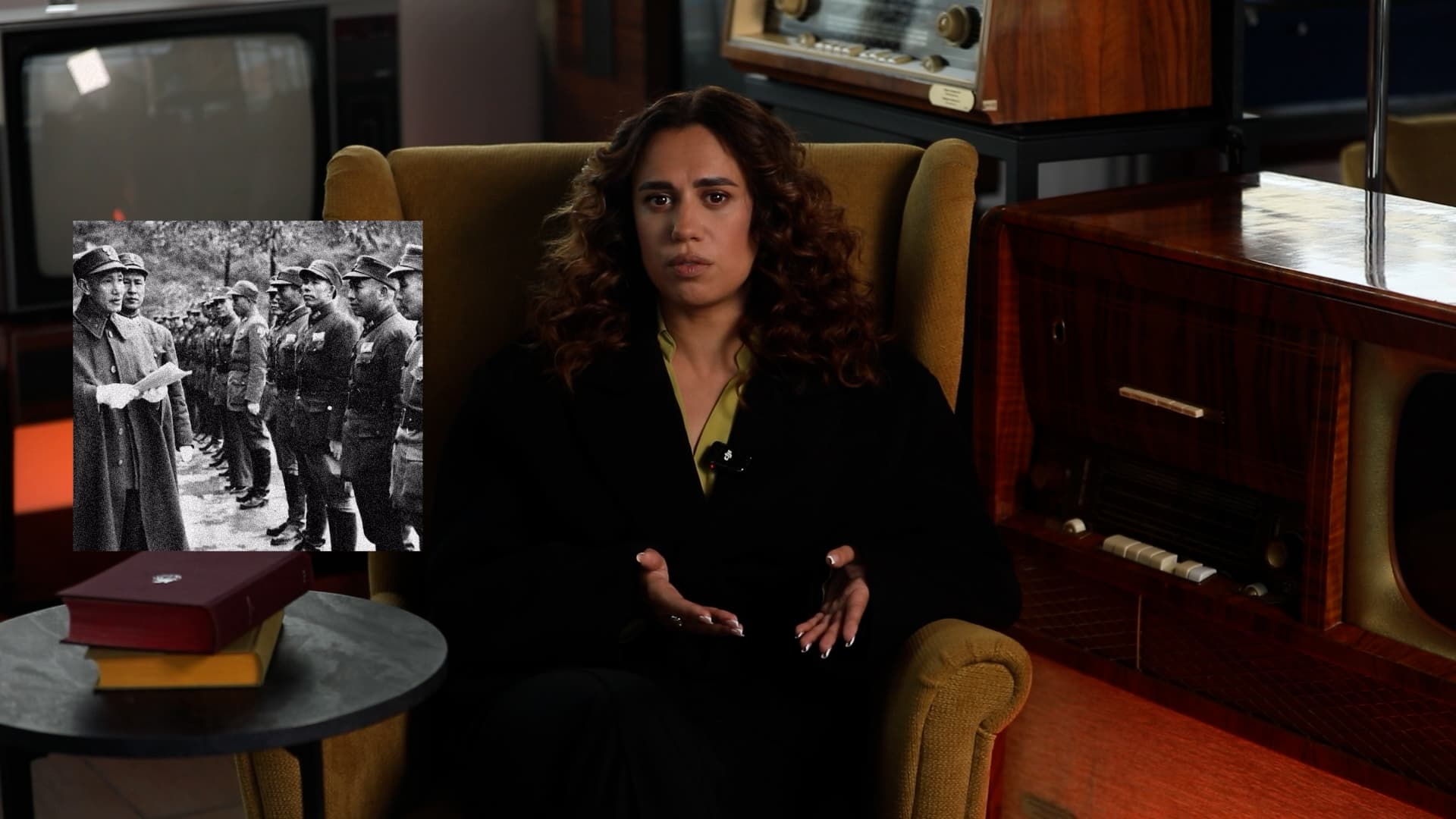
His first major test was China. Shanghai in those years turned into a real spy capital of the Far East. And the USSR needed its own people there to monitor Chiang Kai-shek’s army, the plans of Europe (for example, Germany was looking for allies in the region) and Japan, which had already started to attack Chinese lands. But the trip there required preliminary preparation. In 1929, Sorge arrives in Berlin, gets a job as a journalist in the authoritative newspaper Frankfurter Zeitung and with the help of connections begins to whitewash his reputation. In the newspaper, he received a business trip to the East, and thus was able to come to Asia under his real name and with a legal German passport.
Sorge officially acted as a German journalist and economist who studies agriculture. He traveled all over the country, communicating with officials, landowners and the military, and so collects information.
The most famous pseudonym Sorge (and he had several) is Ramzai. From the Finno-Ugric word "Ramzai" is translated as "Pure water". The historians of the Soviet secret services have no exact explanation why the leadership chose this word. It was probably accidental. The main thing is not to disclose his true identity and German surname, and that the nickname does not expose the belonging of Sorge to Soviet intelligence.

In China, Sorge finds people who became the basis of his future team. First, there is the American leftist journalist Agnes Smedley. It is she who helps Sorge join the circles of foreign diplomats, intellectuals and Chinese communists. And of course, Japanese journalist and communist Hotsumi Ozaki. They will become friends, and Hotsumi will later become one of Sorge's top informants in Japan.
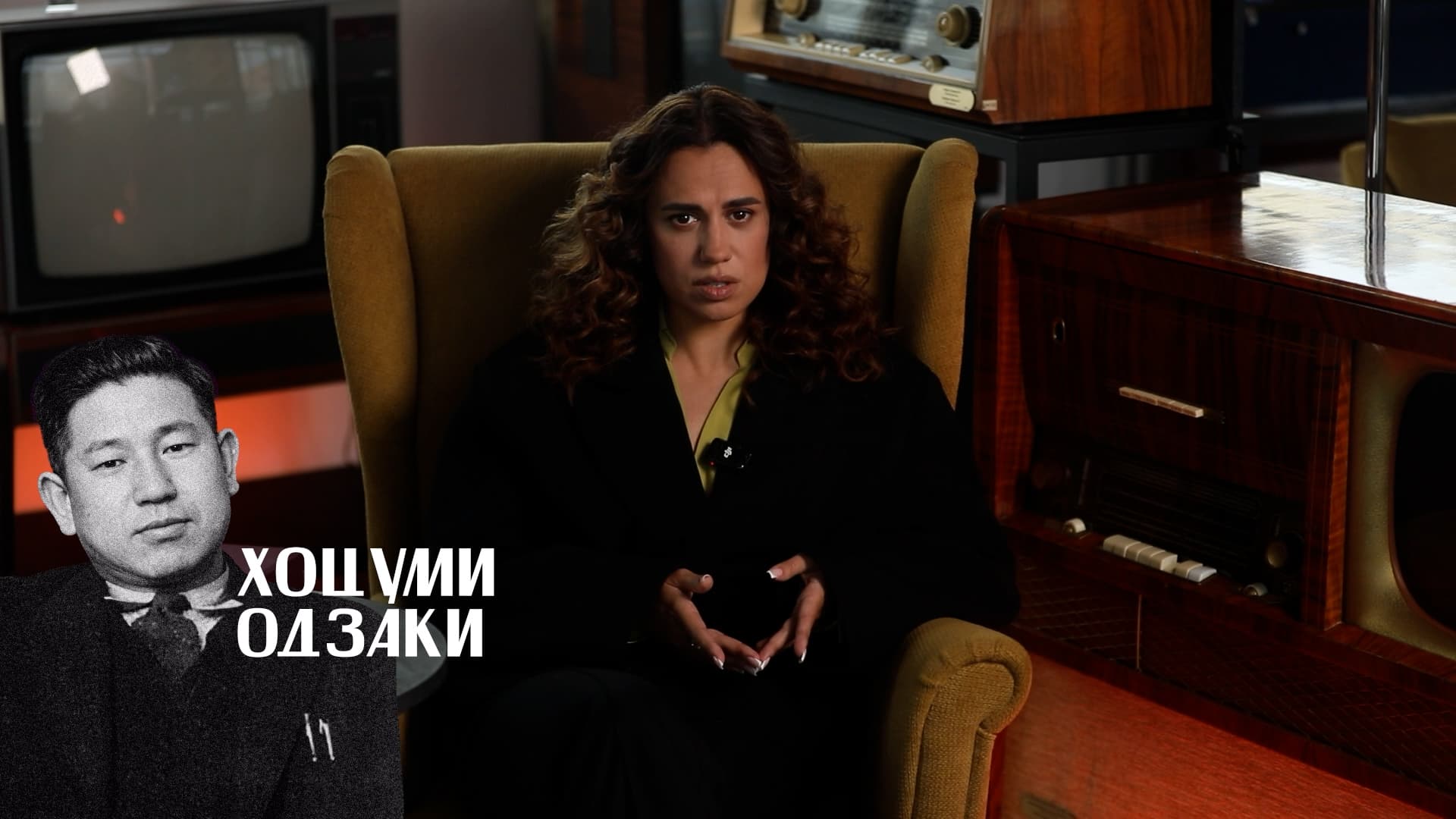
In early 1932, Sorge found himself at the heart of the Shanghai Incident, a military conflict between China and Japan known as the First Battle of Shanghai. It was then that Sorge drew his main conclusion: the main threat to the USSR in the East was militaristic Japan, and that in the future great war the Soviet Union was threatened by a simultaneous war on two fronts: with Germany in the West and with Japan in the East. It had to be avoided. In the same year, Sorge returned to Moscow and began preparing to be sent to Japan.
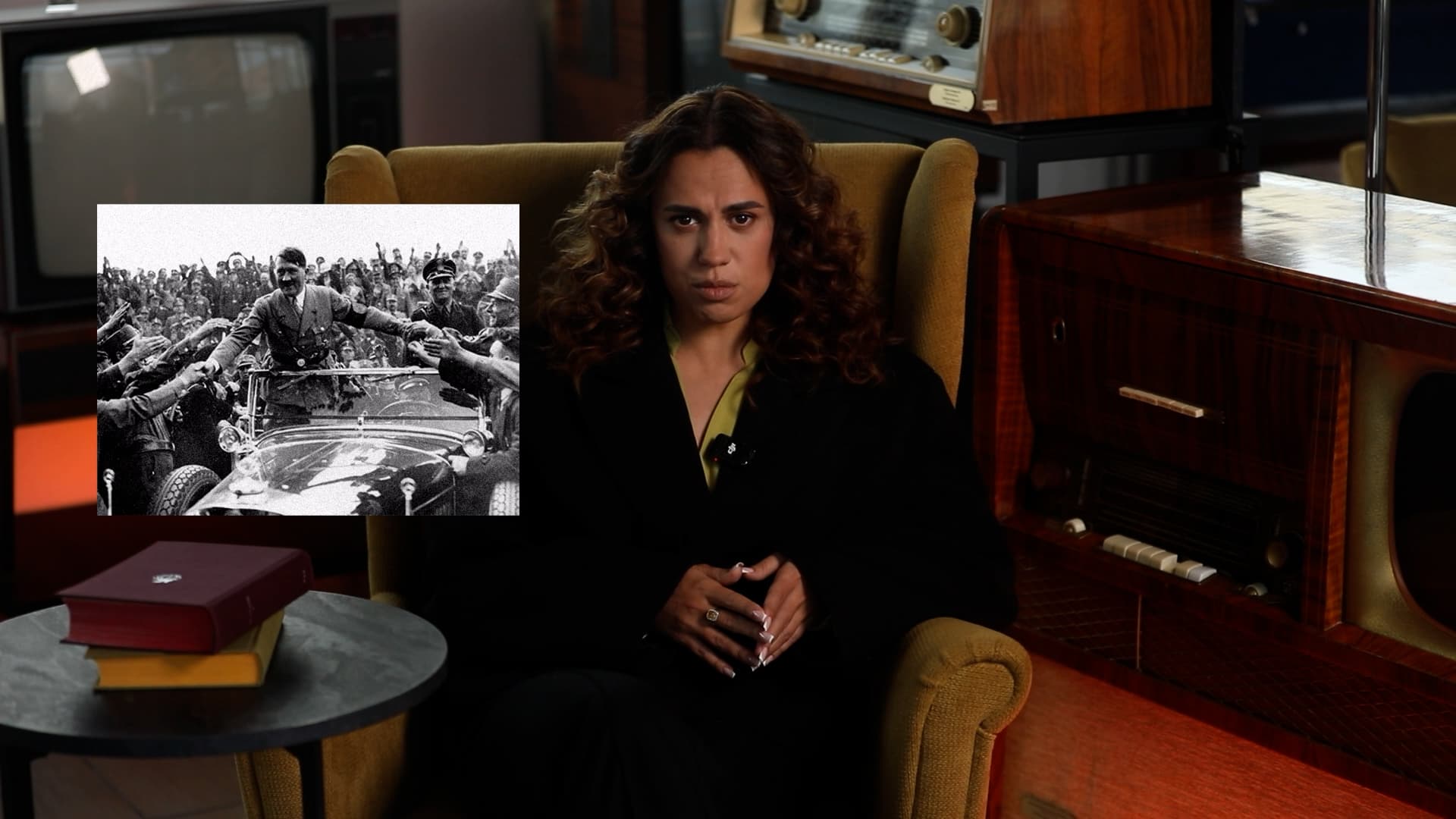
On January 30, 1933, Hitler came to power in Germany, and Ramsay needs to once again go to Berlin, strengthen the legend about himself. What legend? The agent receives new documents, joins the NSDAP, acquires new connections, recommendations and meets Joseph Goebbels. Now Sorge is a staunch Nazi with a brilliant reputation. It will soon help him in Japan.
A month before sending to Tokyo, in Moscow, Richard Sorge married Ekaterina Maximova. There is an opinion that the marriage was purely official and by calculation, but this myth was later dispelled – they were bound by deep feelings. For many years they were in a long-distance relationship and communicated only by letters. They were supposed to have a child together, but Maximova lost it.

In September 1933, Sorge arrived in Japan. His legend works 100%. He is accredited as a correspondent of reputable German publications. But most importantly, he does not behave like a typical arrogant European. He learns Japanese, understands local history, drinks sake, knows etiquette. He becomes the soul of the company. The Japanese, the Germans, the English, everyone loves him. No one suspects that under the guise of such an open German journalist is a Soviet intelligence officer.
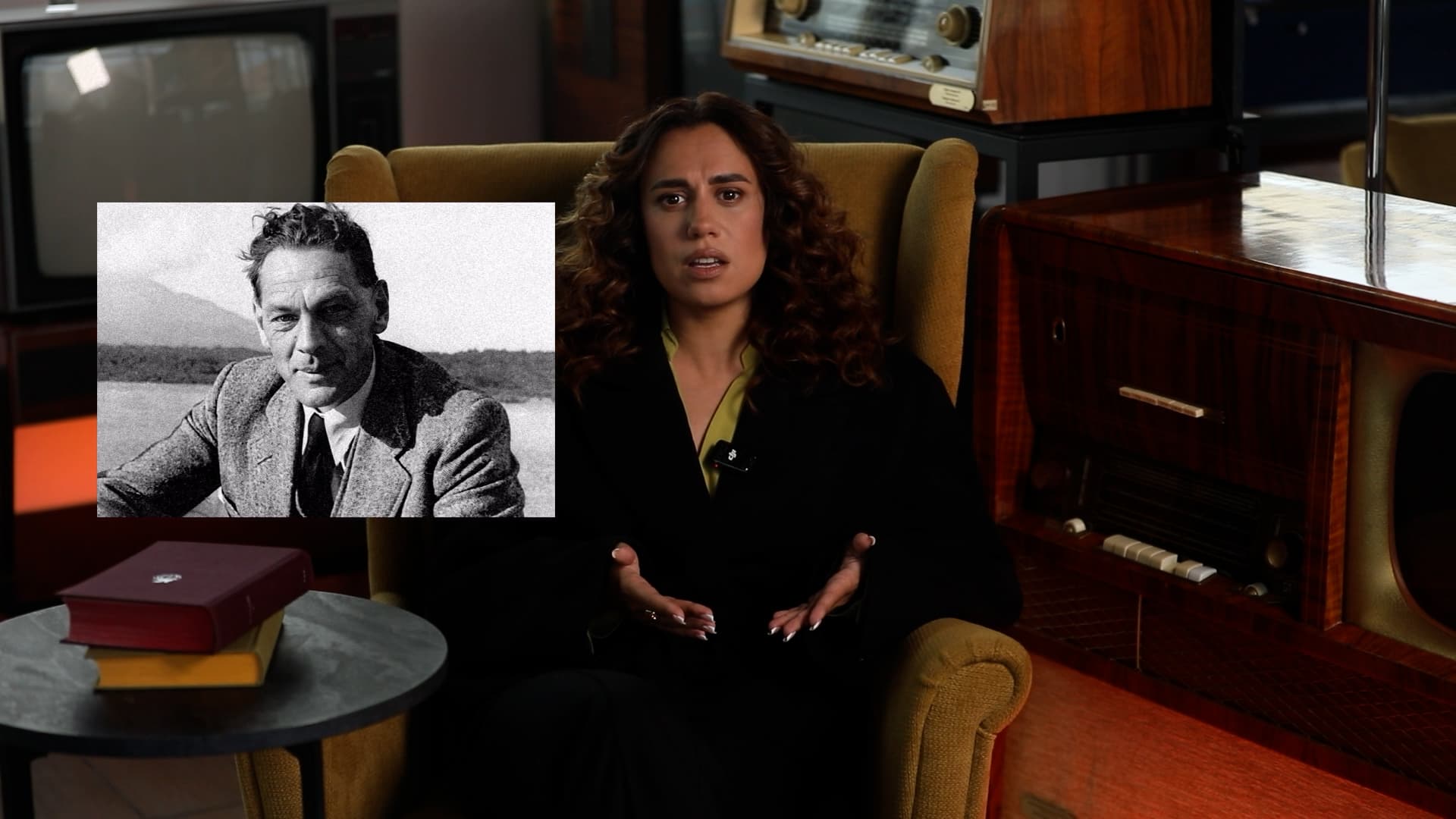
Sorge was so open-minded that Japanese intelligence agencies counted between 32 and 52 women with whom Richard Sorge had intimate or romantic ties during his time in Japan alone. Whether it was his love or subtle calculation and the way to get information – historians still argue about it.
Sorge begins to assemble his team. From China, he calls Hotsumi Ozaki. Later, Ozaki will have a brilliant career in Japan and become an adviser to the Prime Minister. Accordingly, Sorge will pass the secrets directly from the Japanese government. Max Clausen, a German radio operator, worked with him in Shanghai. He assembled portable transmitters and sent encrypted radiograms to Vladivostok at night. Branko Vukelic is a Yugoslav journalist who was in charge of communications and secretly photographed classified documents. And Yotoku Miyagi is a Japanese artist. He obtained information about the movements of Japanese troops and the mood within the army. Of course, it's not the whole team.
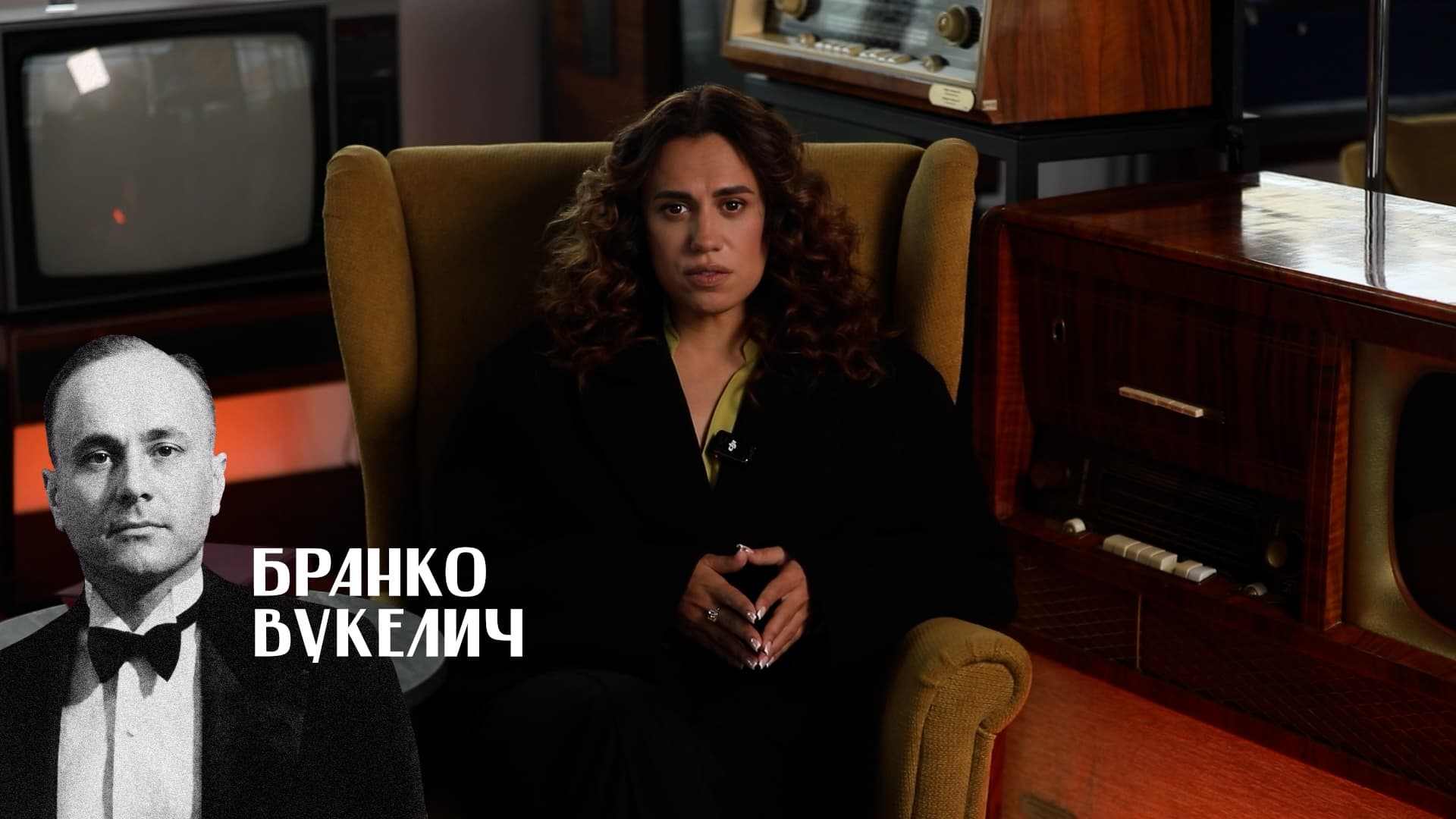
In Japan, Ramsay became friends with Nazi Germany’s new ambassador to Japan, Eugen Ott. And became for Ott simply indispensable person: adviser, friend and drinking companion. Ott was fascinated and began sharing secret codes from Berlin with the scout. He thought Sorge would help him better understand Japan for Hitler's needs. It is believed that Sorge had a special relationship with his wife Otta, and that Ott knew about it. But he valued his adviser so much that he turned a blind eye to their affair.
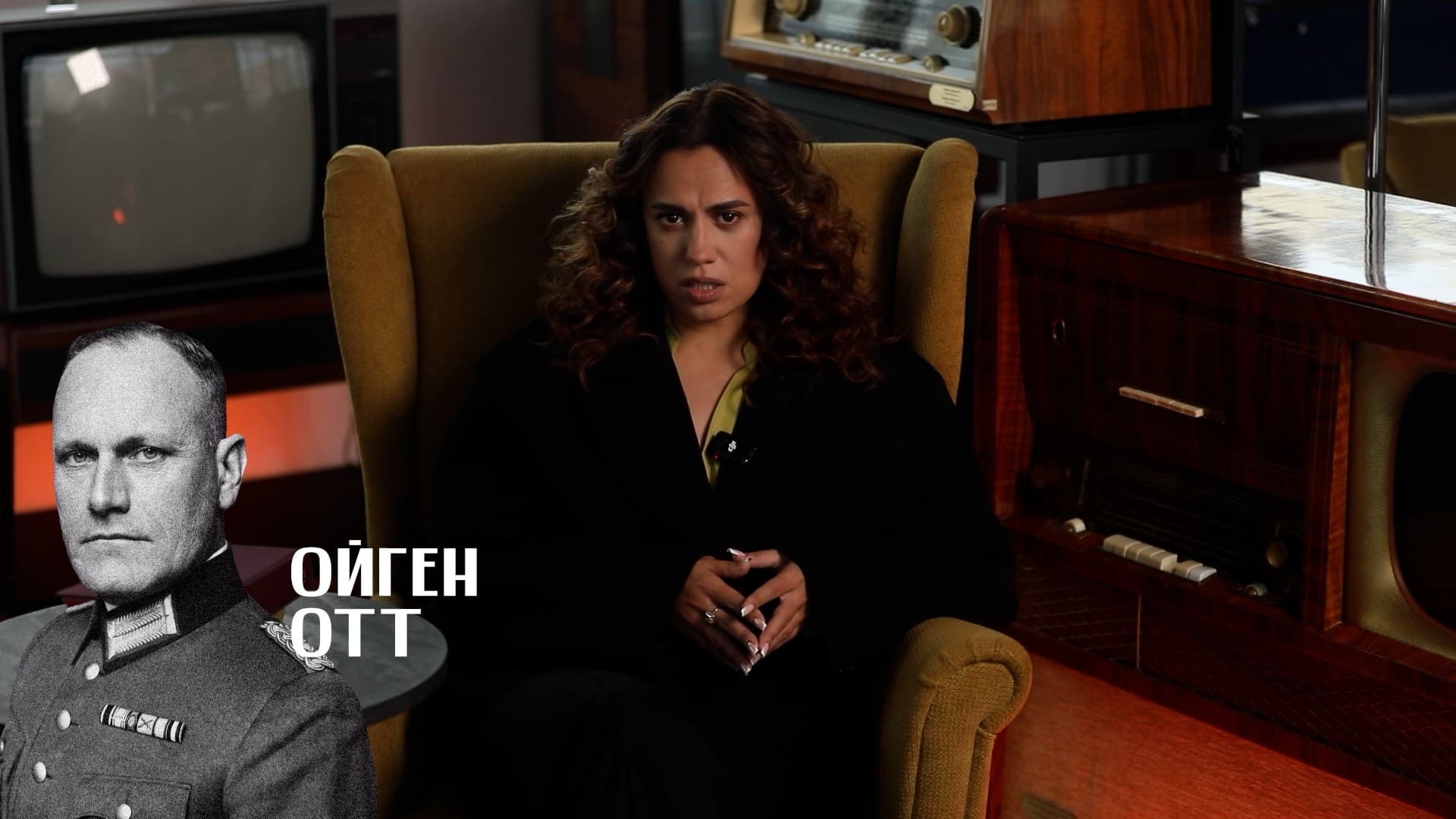
But Richard had the longest and most enduring relationship in Japan with an ordinary Japanese waitress, Hanako Ishii. They met in 1935 in a Tokyo restaurant on Richard's 40th birthday and have never parted since. Hanako did not even know that her lover was a Soviet intelligence officer. For her, he remained a charming but very lonely foreign journalist. About who really was “her Richard”, the woman learned only in 1948 from the newspapers.
Sorge did inform the Soviet government that Germany would attack the USSR. Contrary to popular belief, he never gave a date for June 22. The scout received and transmitted very different information to Moscow. In a March report he claimed that the attack would take place after the war with England. In May, he pointed to an attack at the end of the month. At the end of May, he said the attack would take place in the first half of June. Two days later, it was announced on June 15. After June 15, the war was delayed until the end of the month. On June 20, Sorge did not give any dates and was only sure that war was inevitable.
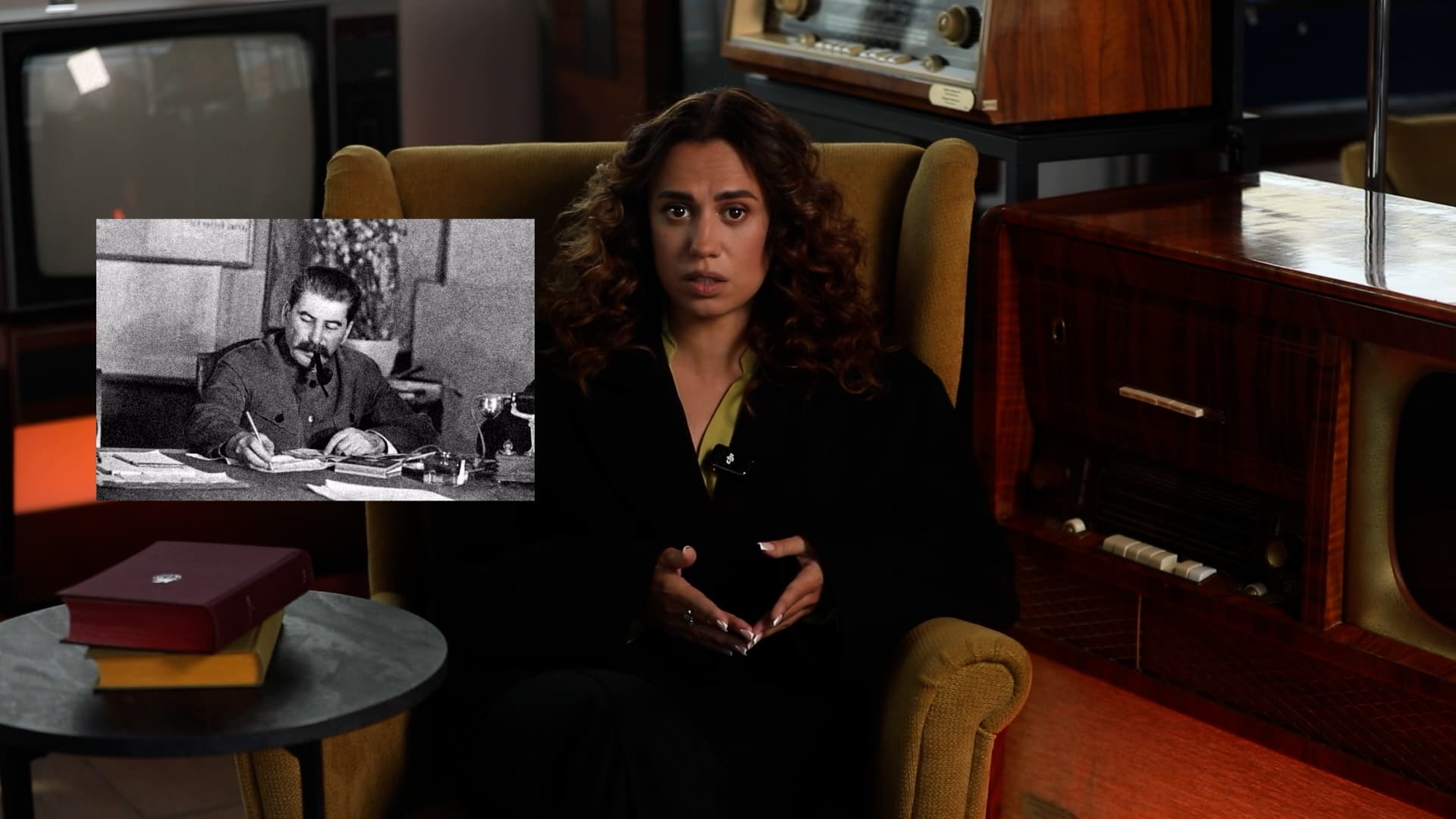
At the same time, Stalin received hundreds of reports from other agents every day, all of which contradicted each other. In this confusion, Stalin feared provocations to the last. He thought that the British were deliberately pitting the USSR and Germany against their foreheads in order to drag the Soviet Union into the war ahead of time. Moreover, Germany itself initiated the spread of such disinformation.
In the autumn of 1941, the Germans rushed to Moscow, and the situation became critical. At the same time, the Japanese Kwantung Army stood in the Far East. Had Japan attacked the Soviet Union from the east, the country would not have survived a two-front war. Stalin urgently needed to know: will the Japanese strike or not? In September 1941, Ramzai sent its most important encryption to Moscow. He reported: Japan decided not to attack the Soviet Union this year. Instead, the Japanese chose to strike south against the United States and England. However, Sorge honestly warned that the Japanese would still wait at the border and attack in the spring of 1942 if Moscow fell by then.
This encryption allowed Stalin to remove fresh, well-equipped Siberian divisions from the Far East and transferred them by train to the defense of the capital. In December 1941, these Siberian units went on the offensive and drove the Germans away from the city. Richard Sorge helped save Moscow.
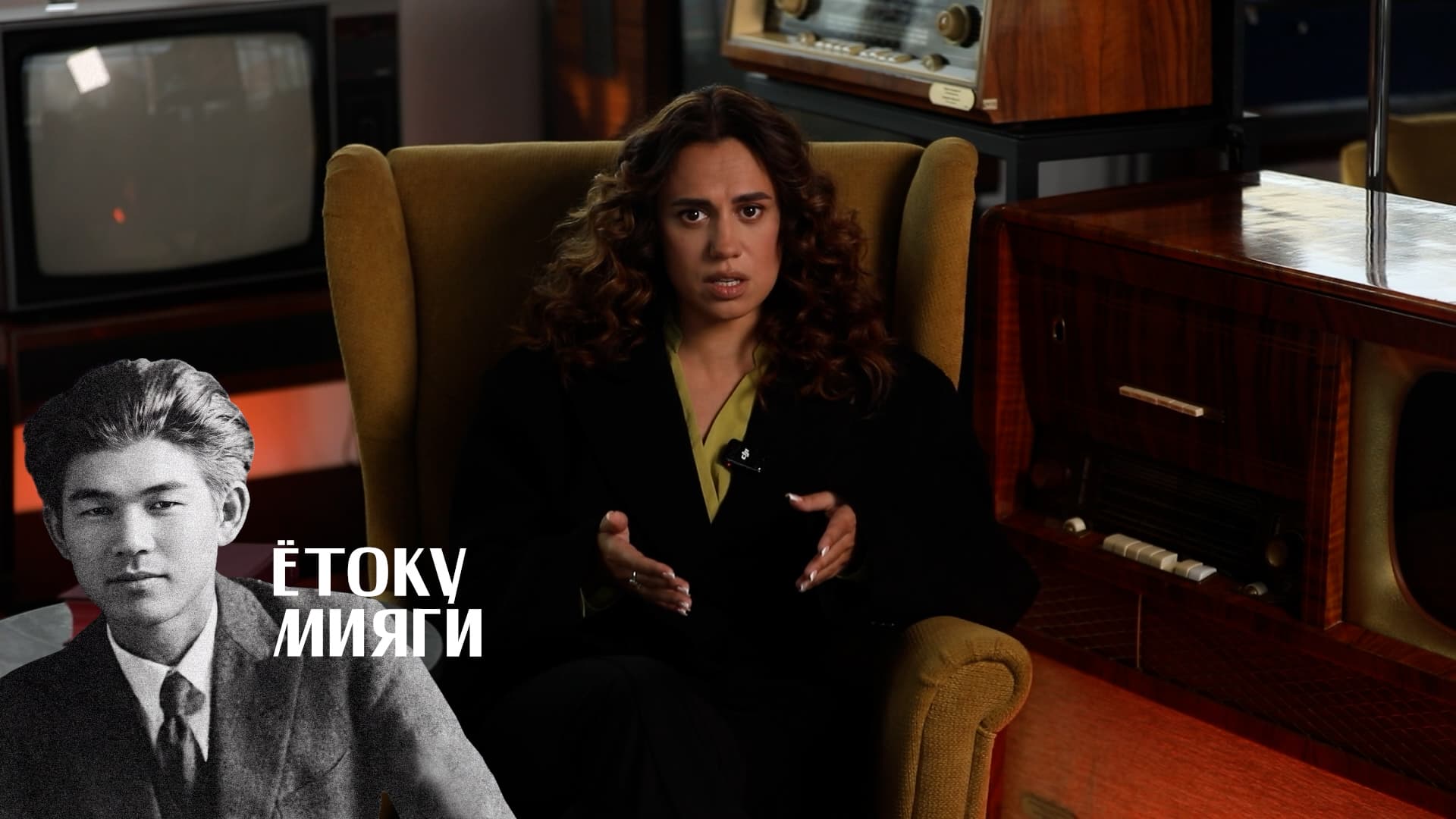
In the autumn of 1941, Ramsay’s network was revealed. The exact version of why this did not happen – no, researchers still argue about it. I will give you three versions, although there are many more. The first is the chain of arrests. The Japanese secret police have been tracking local underground for a long time. In 1941, they arrested a Communist woman who had been interrogated to name the artist Yotoku Miyagi. Miyagi was followed, arrested, and tortured to extradite Hotsumi Ozaki. That's how we got to Sorge.
The second version is the hunt for a radio signal. Radio operator Max Clausen has been transmitting encryption to Vladivostok for years. Japanese intelligence agencies have detected an illegal transmitter in Tokyo. And he was just tracked down. And the third version is total surveillance of foreigners. Japan was preparing for a major war and checking all Europeans. Sorge was noisy, drinking and riding a motorcycle, which at first seemed to the Japanese just “German style”. But his frequent visits to the German ambassador and his friendship with Japanese officials eventually led the security services to begin covert surveillance. After all, Sorge has been an illegal for too long. Usually, the scout did not stay in a foreign country for more than 2-3 years. The Ramsay network in Japan lasted 8 years. And this is in Asia's toughest police state. At some point, it just had to happen.
During the interrogation, Sorge behaved very decently. At first, he denied guilt, but when investigators presented him with codes and testimony of already arrested associates, Richard realized that the game was over. He openly admitted that he worked for Soviet intelligence.
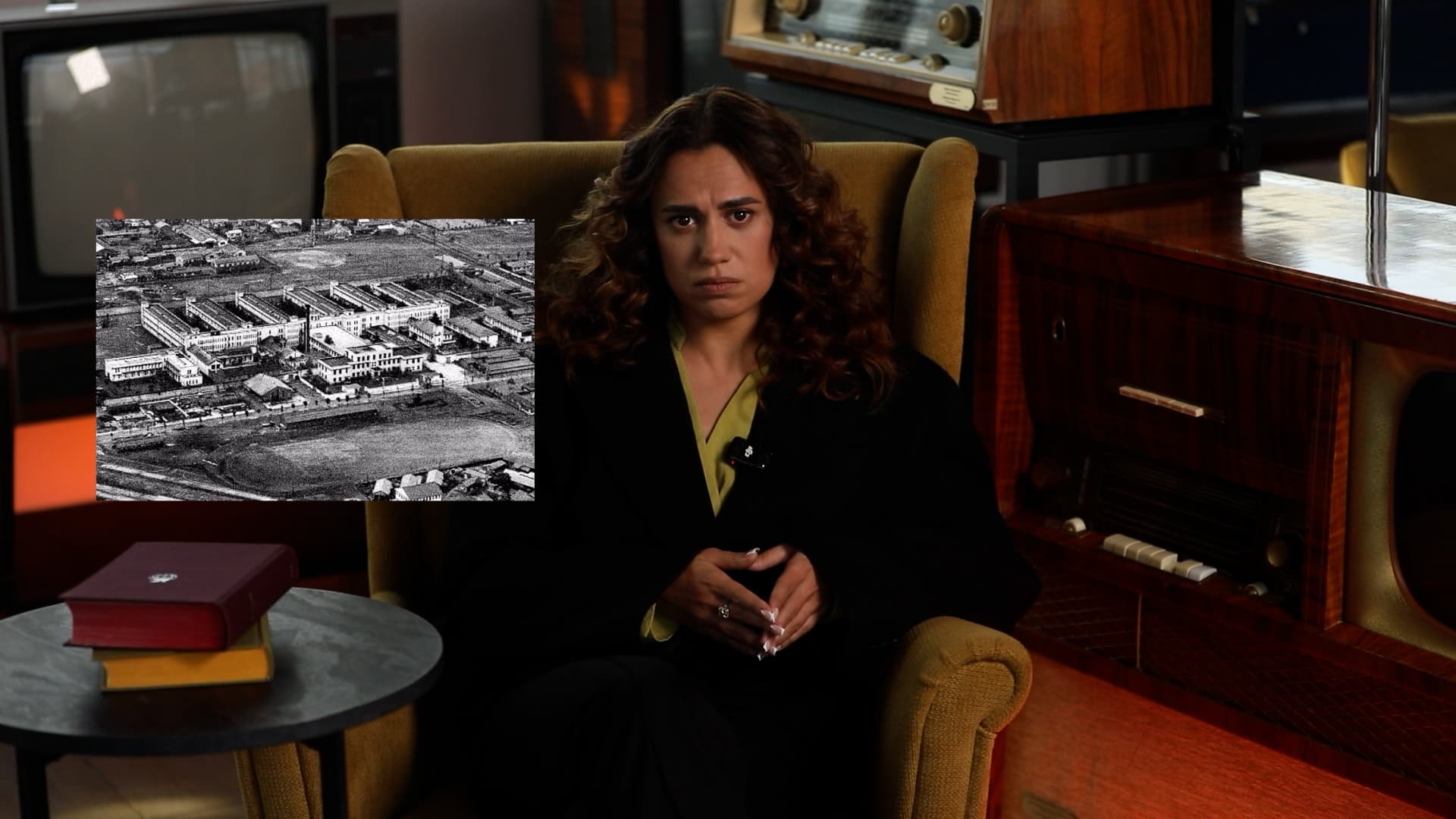
The Soviet spy spent three years in Tokyo’s Sugamo prison. Conditions were harsh, but he was allowed to write a memoir. The Japanese authorities were slow to execute and three times tried to offer the Soviet Union to exchange Sorge. But Stalin refused each time, claiming that Moscow did not know such an agent.
On November 7, 1944, Richard Sorge was hanged. According to the most popular version, before the execution, he turned to the guards, thanked them for their humane attitude and exclaimed in Japanese: "Red Army! Comintern!" The Soviet Communist Party! He was 49 years old.
In 1949, the last wife of Sorge Hanako found an unmarked mass grave in the prison cemetery, identified the remains of her husband by glasses, belt buckle and traces of old front wounds, cremated them and kept an urn with ashes at home for a year. Later, she bought a plot in the prestigious Tama cemetery in Tokyo, where Richard Sorge rests to this day.
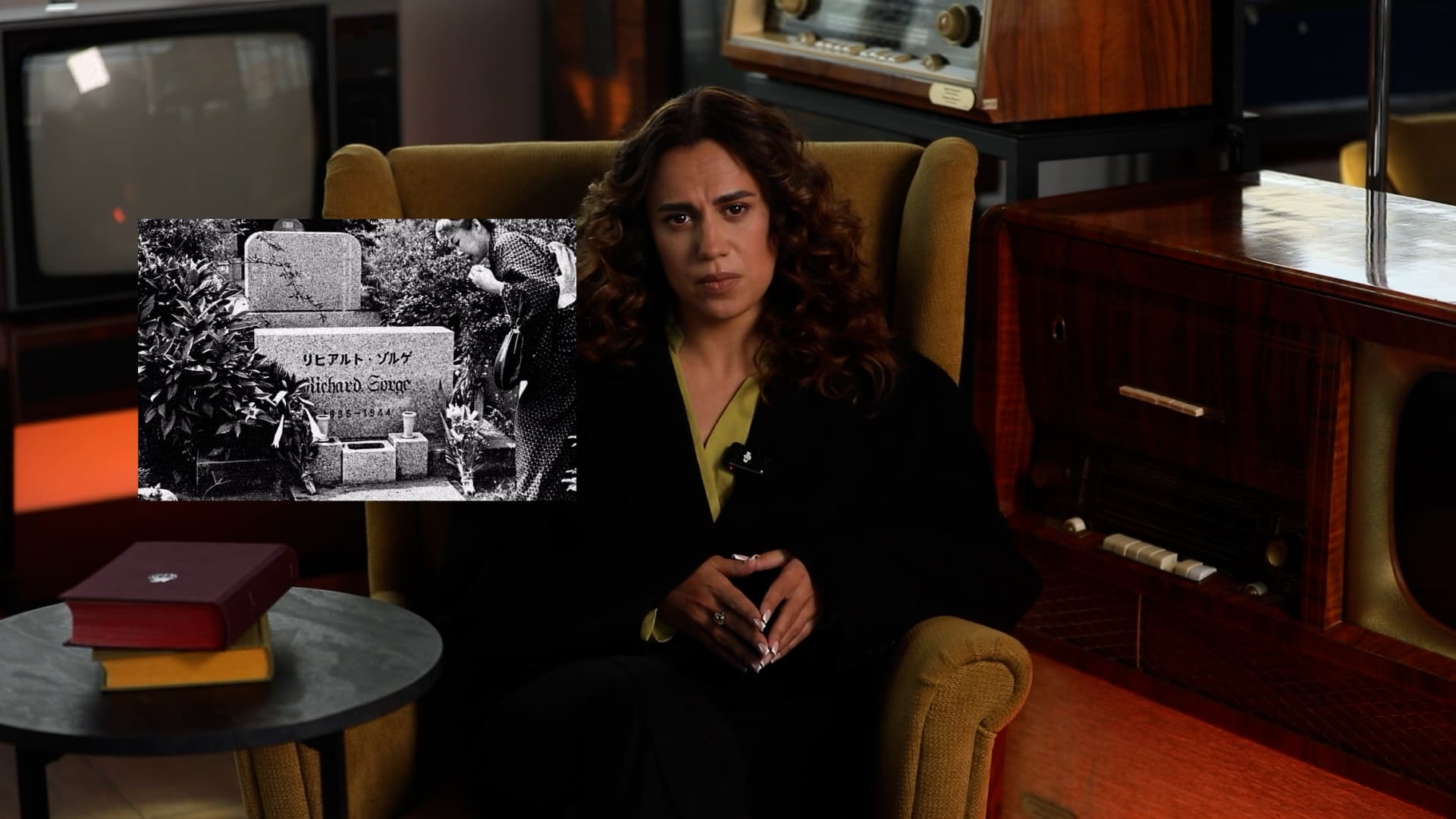
After the war, the name of Sorge in the USSR was long silenced. Only on November 5, 1964, 20 years after the execution of the intelligence officer, by decree of the Presidium of the Supreme Soviet of the USSR, Richard Sorge was posthumously awarded the title of Hero of the Soviet Union.
It was Likbez.by.
The project was created at the expense of targeted collection for the production of national content.