
October 14 – Pokrov: the history of the holiday, traditions, what can and cannot be done
The history of the holiday is connected with the events that occurred in Constantinople in 910
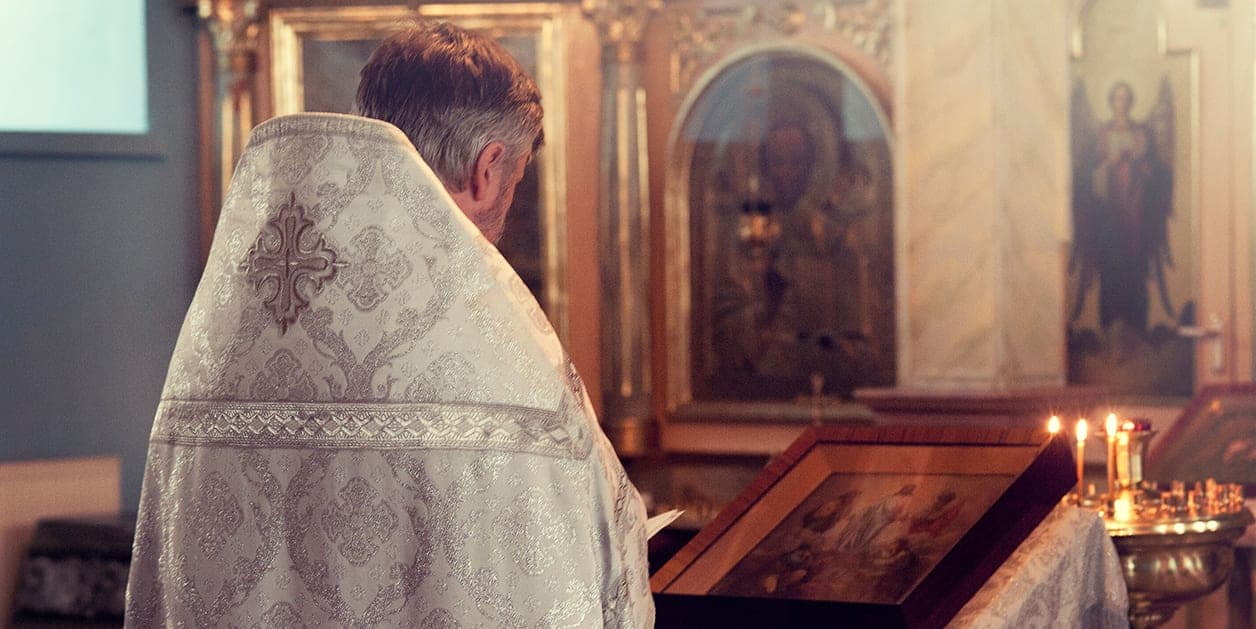
On October 14, the Orthodox Church celebrates one of the great holidays – the Intercession of the Most Holy Mother of God. Events dedicated to this celebration took place in Constantinople in the tenth century. In Russia, Pokrov began to celebrate only in the XII century. We tell the history and traditions of this holiday, what you can and can not do on Pokrov Day on October 14.
History of the Intercession
The feast of the Intercession is established in memory of the events in the Vlachern temple of Constantinople in 910, when the Virgin Mary appeared to the local saint, Andrew Yurodivo.
According to legend, Constantinople was besieged by barbarians. People gathered in the Vlachern temple, where the robe of the Mother of God, the head cover and part of her belt were kept, and began to pray to the Mother of God, asking her for salvation.
Among the prayers was Andrey Yurodiv with his disciple Epiphanius. At some point he lifted his head up and saw the Virgin Mary, who stretched out her veil over people and prayed for peace and salvation from troubles.
Soon the enemies retreated. Believers took this sign as the protection of the Mother of God: with her cover she closed the city from enemies.
Since then, October 14, the feast of the Intercession is annually celebrated.
Church traditions on Pokrov
The church service begins on the evening of October 13. People in the temple turn to the Virgin with requests for help. It is believed that their words addressed to the Virgin Mary on this day will be heard.
A special fast on the day of the holiday is not established. If it falls on Wednesday or Friday, then there are exemptions in food - fish is allowed.
Folk traditions on Pokrov
In the people, the feast of the Intercession was associated with the end of autumn field work. It was believed that during this period autumn meets winter. Our ancestors began to insulate huts with moss, transferred livestock to winter feed. There are many traditions and rituals associated with this celebration.
- 1.After collecting apples from the trees did not remove the remaining fruits, allowing them to dry directly on the apple tree. Then they gathered and burned on the day with branches. It was believed that after this ritual in the house will be warm all winter.
- 2.So that the children did not get sick in winter, they were poured with cool water through a sieve on the porch.
- 3.The hostess on October 14 baked pancakes to appease the house. That day he fell asleep all winter. People believed that if the house sleeps full, then the house will be warm and nourishing all winter.
- 4.On this day, young women burned old clothes and straw beds, and older women burned worn-out paws. This ceremony was carried out to ensure their health and well-being.
Wedding traditions on Pokrov
For our ancestors, the day was considered one of the most successful for weddings. People believed that the couple, who got married on October 14, would live a happy family life in prosperity. To do this, the newlyweds were put to sleep on sheaves of rye - they had to be an odd number.
Unmarried girls on this holiday appealed to the Virgin with a request for a speedy marriage. In addition, they conducted rituals to quickly meet their betrothed.
- 1.Early in the morning, the girls rushed to the temple. Whoever puts the first candle will get married the fastest.
- 2.To dream to see his betrothed before going to bed ate several salted dumplings. Whoever brings water in a dream will be the bridegroom.
- 3.To find out what the husband would be called, men's names were written on sheets of paper, leaving one empty, and put them under the pillow for the night, and in the morning they were pulled out. If you find an empty leaf, then the time for marriage has not yet come.
- 4.On the windowsill they left fresh bread and said: “Father’s cover, cover the earth with a snowball, and me with a wife.” If the bread remained soft and aromatic in the morning, it was a good sign.
What to do on the feast of protection
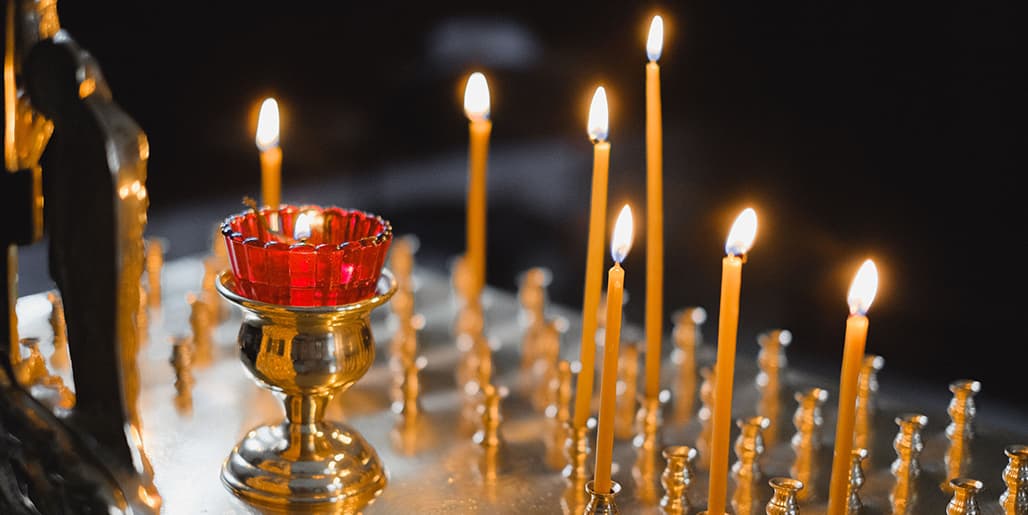
On this day it is necessary to go to the temple, pray and turn to the Virgin with the most cherished requests. If this is not possible, prayers can be read at home.
It is time to help those in need and show mercy. For example, transfer things to the shelter, support a kind word.
What not to do on the feast of protection
On this day, you can not engage in heavy physical labor - it is believed that the Virgin Mary covers the earth with rest. Also, do not restore order in the house, sew, knit, do needlework. It is forbidden to swear, quarrel or refuse help - otherwise, trouble may come to the house. It is not recommended to borrow or give money.
Read also:
14-21 October Parental Love Week in Belarus: the history of the holiday and the program of events
Family as the foundation of the state: parliamentarians will gather in Polotsk to discuss support for traditional values
Photo: Pexels


