
Algorithm instead of employer. Senko on the risks of digitalization for employees
Digitalization, the introduction of artificial intelligence give the economy and workers new opportunities. But at the same time, there are new risks and challenges. First of all, the speech ...
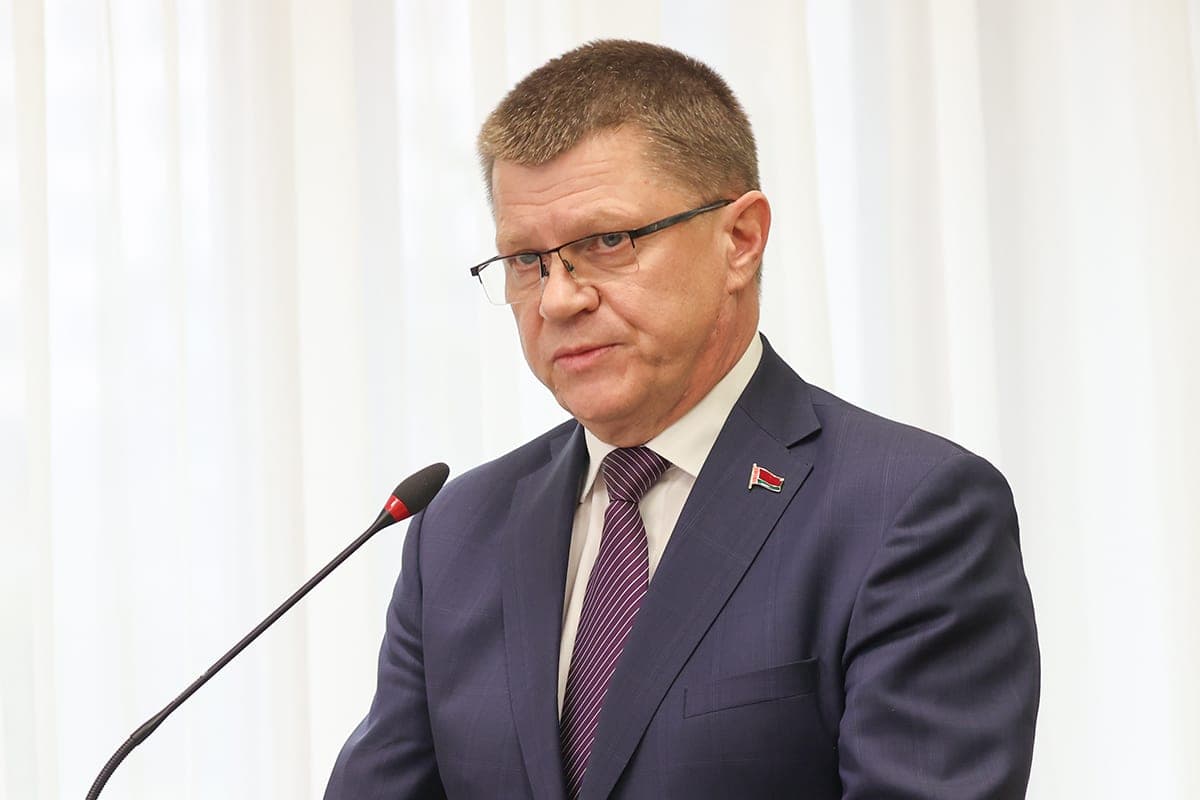
Digitalization, the introduction of artificial intelligence give the economy and workers new opportunities. But at the same time, there are new risks and challenges. First of all, it is about changing the labor market. This was stated by the Chairman of the Federation of Trade Unions of Belarus Yuri Senko at the International Strategic Session “Fair Transformation of the Labor Market in the Context of Digital Technologies” held today, October 13 in Minsk, which gathered representatives of national trade union centers and industry trade unions, scientific and expert communities of almost 30 countries in the Belarusian capital.
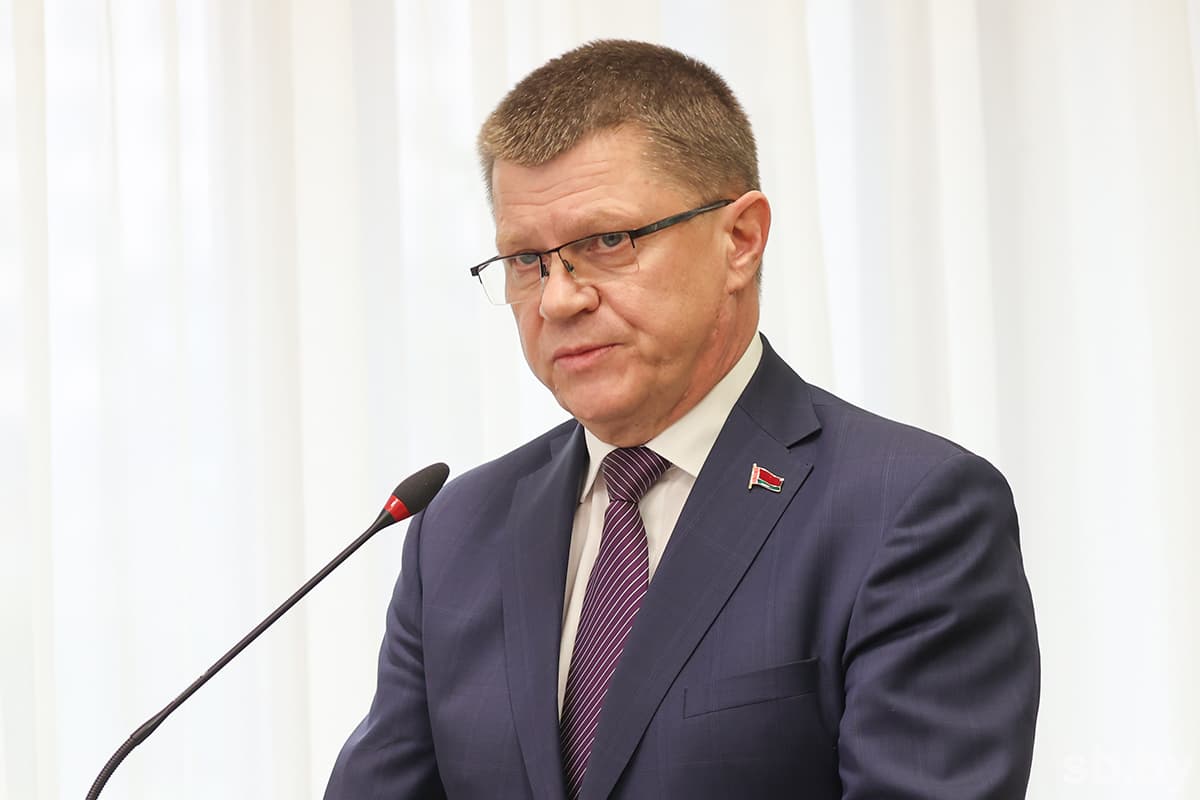
The head of the national trade union center said that during the preparation of this forum, the organizers identified several key points that primarily require reflection, analysis of existing practices and development of optimal models. Yuri Senko named the main ones:
- Of course, digitalization, the introduction of artificial intelligence give the economy and workers new opportunities. We see how new technologies are changing medicine, education, transport, industry, agriculture. Many processes are becoming more convenient and accessible. Plus, there are new opportunities to increase productivity. Exemption of employees from heavy, dangerous and routine tasks. The development of flexible forms of employment and, accordingly, new opportunities for earnings. But at the same time, there are new risks and challenges. First of all, it is about changing the labor market. Today, millions of people around the world work through digital platforms. For many, this creates additional employment and income opportunities. But at the same time there are issues related to the regime of work and rest, social insurance, pensions, labor protection and protection of labor rights of such workers.
A few years ago, the prevailing opinion was that this form of employment gives a person maximum freedom. There is no traditional employer, there is no direct manager, which means that the employee himself determines when, how and how much he works:
- However, practice has shown that this is not the case. In many cases, the role of the employer is actually performed by digital algorithms. They distribute tasks, assess the quality of work, form ratings, affect the size of earnings and may even limit access to orders. However, it is not always clear by what principles such decisions are made. Issues of fairness and transparency, observance of labor rights of employees arise.
It is clear that the development and application of any algorithm is the owner of the platform – a legal entity or an individual, he added. And he drew the attention of the audience:
- What should be the legal basis for interaction between the employee and the platform? Is it an employment or civil relationship? What responsibility and social burden should the platform owner bear? There is no clear answer to these questions in the world today. Different countries are adopting different approaches.
Belarus is also working on a law on digital platforms, Yuri Senko said. Governments, trade unions, and employers are working together to find solutions that will keep the labor market flexible while protecting people’s interests in these new forms of employment
- In this regard, we and representatives of other countries are extremely interested in the practical experience of applying certain approaches in countries where certain legislative norms regarding the regulation of digital platforms are already in place. One of the key issues on the agenda of our strategic session is the legal regulation of new forms of employment in general and the activities of digital platforms in particular.
The International Strategic Session, which takes place on October 13-14 in Minsk, is aimed at developing new practical mechanisms to protect the interests of workers in the context of the transformation of the labor market in the digital era, the press service of the Federation of Trade Unions of Belarus told sb.by. The participants will focus on finding coordinated approaches to ensuring decent work, protecting workers’ rights and preserving social guarantees in the context of rapid technological development. Senko: it is impossible to respond to the scale of challenges of digitalization of labor


