
"What kind of wildness?" The American did not understand the Russian rules until the village grandfather explained to her the main truth
The American faced the Russian village ban and was outraged, but then realized why people live here under different rules.
After visiting Moscow and Bryansk, Sarah decided she had learned a lot about Russia. But the real surprise awaited her in an ordinary village, where she was brought by a friend Sasha, writes the Zen channel “Talking about education”.
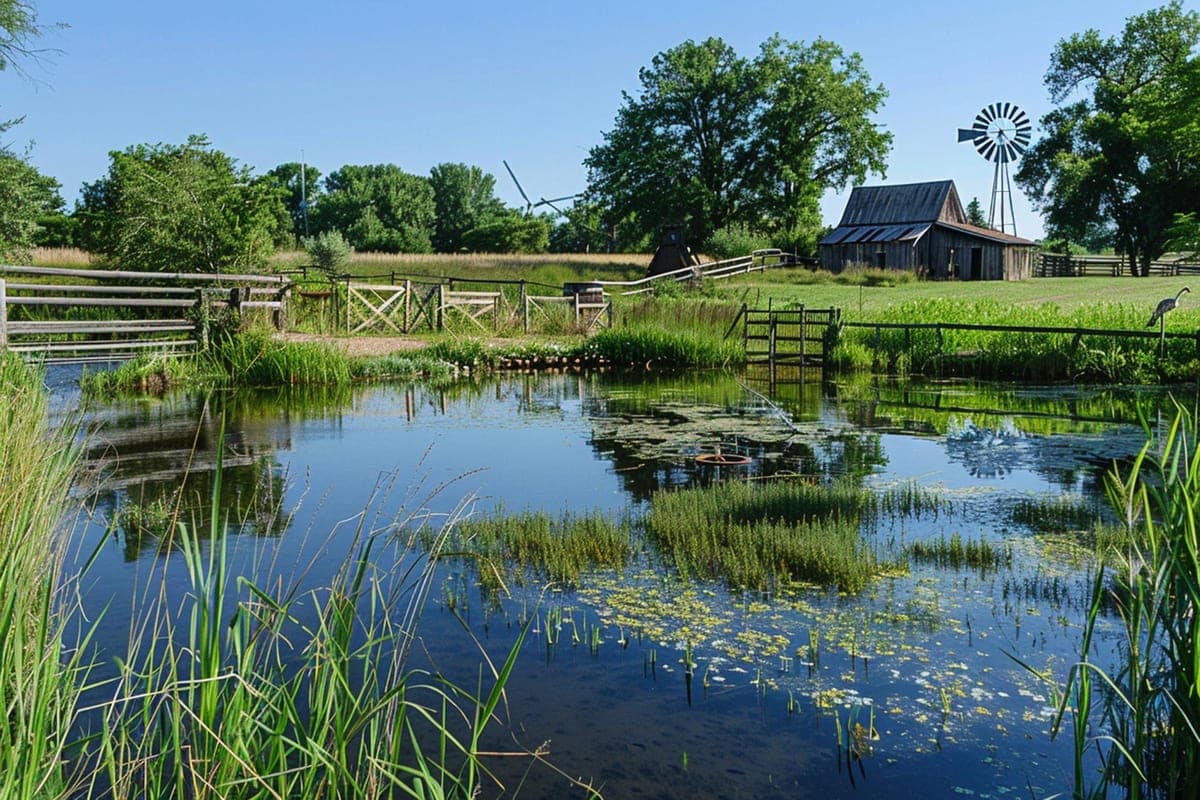
On a hot day, Sarah was going to swim in the local pond, but the road was blocked by an elderly resident named grandfather Micah. Nearby hung a sign prohibiting bathing and warning of a fine. She couldn't understand why she couldn't use a pool that belongs to everyone.
Sasha explained that the pond is designed for household needs: here they drink livestock, take water for irrigation and breed fish. Bathing can lift silt from the bottom and pollute the water. Therefore, local residents are trying to preserve the reservoir for general needs.
Sarah was surprised by this approach. In her view, public property means that everyone can use it. But gradually she began to understand the difference: in the village, the common does not mean a draw. People see these places as part of their household and take care of them.
Instead of the pond, Sasha took the guest to the river, located a few kilometers from the village. There Sarah was able to swim in the clear water and enjoy the silence. After bathing, she admitted that she now understands the act of Micah’s grandfather: he did not just forbid, but defended what was important to the locals.
In the evening, Sarah herself went to an elderly neighbor to apologize for her misunderstanding. Grandfather Mikhey accepted an apology and even gave her a steamed milk. The next day, an American woman helped him fix the fishing net.
This story became a lesson for Sarah in village life. She realized that local rules sometimes seemed strange to outsiders, but behind them could be practical meaning, mutual responsibility and concern for the common economy. In the Russian village, the American concluded, bans are needed not for the sake of restrictions, but for the sake of preserving what is dear to everyone.


