
Children's ophthalmologists of Minsk held an international online consultation with leading experts from Switzerland
Children’s ophthalmologists of Minsk held the first international online consultation with leading experts from Switzerland. Belarusian doctors together with foreign ...
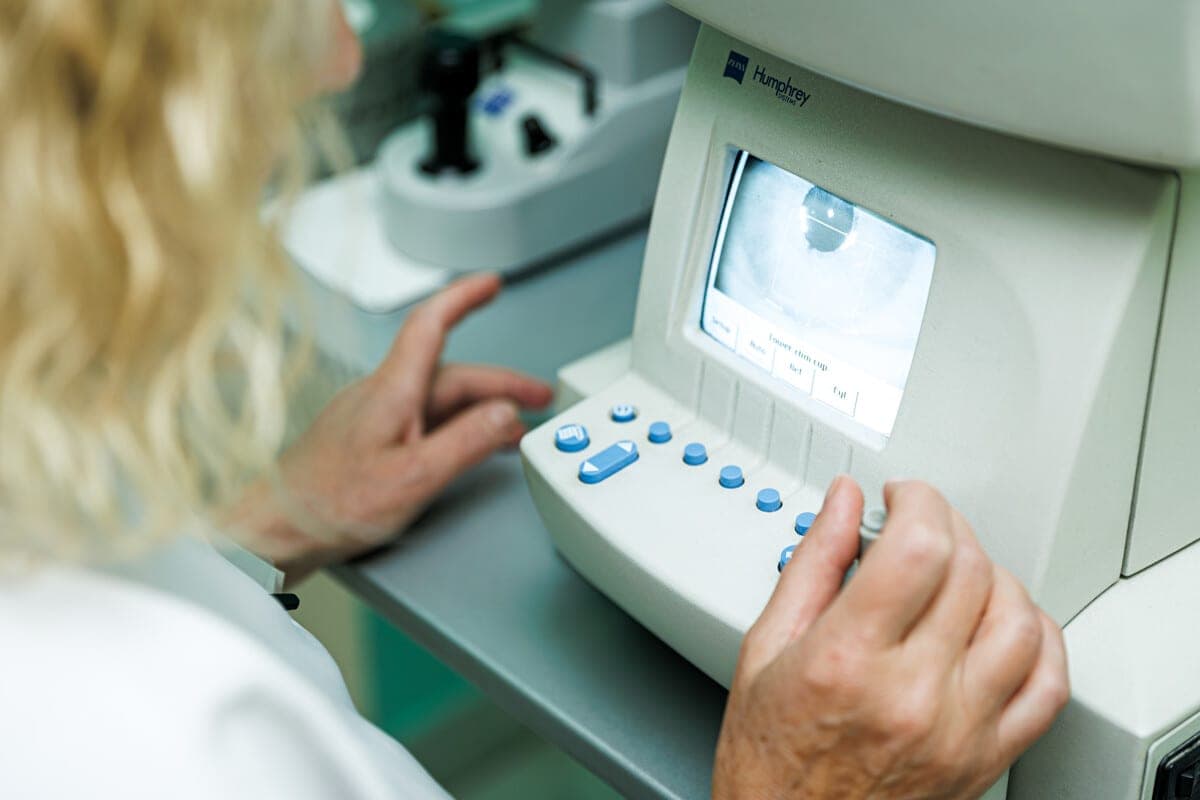
Children’s ophthalmologists of Minsk held the first international online consultation with leading experts from Switzerland. Belarusian doctors together with foreign colleagues analyzed a rare and complex clinical case of a 17-year-old patient. This was reported to the journalist sb.by by the press secretary of the Health Committee of the Minsk City Executive Committee Yulia Borodun.
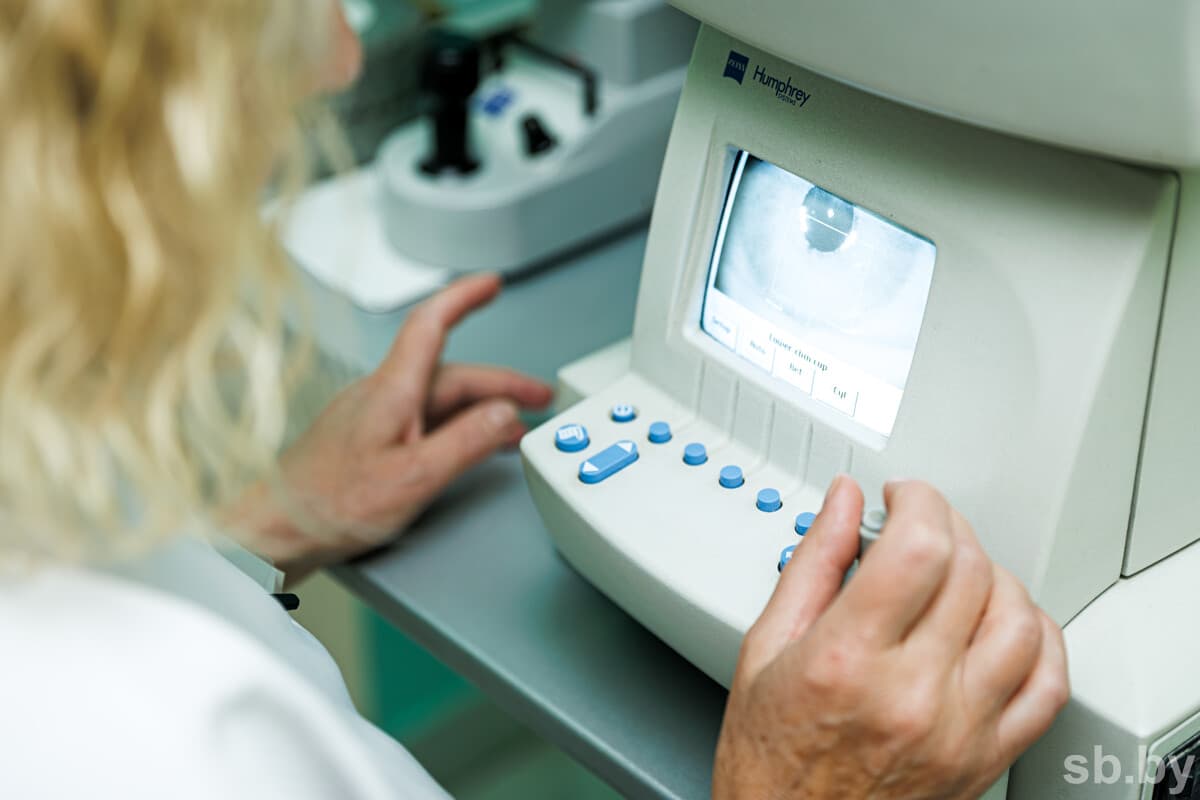
The young man came under the supervision of doctors with atypical symptoms: experts put him a number of preliminary diagnoses, including reactive orbital cellulite, swelling of the upper eyelid of the right eye, subconjunctival hemorrhage, as well as an allergic form of intermittent myositis with damage to the oculomotor muscles on the left (medial and lateral).
To establish the exact cause of the disease, leading specialists from several capital institutions were involved in the work: the 10th city clinical hospital, the city clinical infectious diseases hospital, the 4th city children's clinical hospital of Minsk.
Despite the comprehensive approach and the conducted examinations, it was not possible to definitively identify the cause of repeated hemorrhages in the eyes, Yulia Borodun said:
- To expand the diagnostic search, Minsk pediatric ophthalmologists initiated an online consultation with Hilary Grabe, MD of the University Hospital of Bern (Switzerland). On the Belarusian side, the meeting was attended by representatives of the 10th City Clinical Hospital - Head of the Children's Ophthalmology Department Ekaterina Goods and Head of the Laser Microsurgery Department Igor Zaborovsky, as well as specialists of the 4th City Children's Clinical Hospital.
Other doctors from the Bern University Hospital joined the Swiss discussion. During the discussion, doctors studied in detail the medical history and test results. The joint search and exchange of experience allowed Belarusian specialists to outline new diagnostic methods that will help to establish a final diagnosis and choose the most effective treatment for the young man. Surgery, transplantology and hematology conducted intensive work for doctors to work with complex cases


