
Associate Professor of the Ural University of Emergencies Ministry received 4 years for bribes from cadets
The court put an end to the case of an assistant professor of the department of forensics of the Institute of Emergencies, who took bribes from cadets
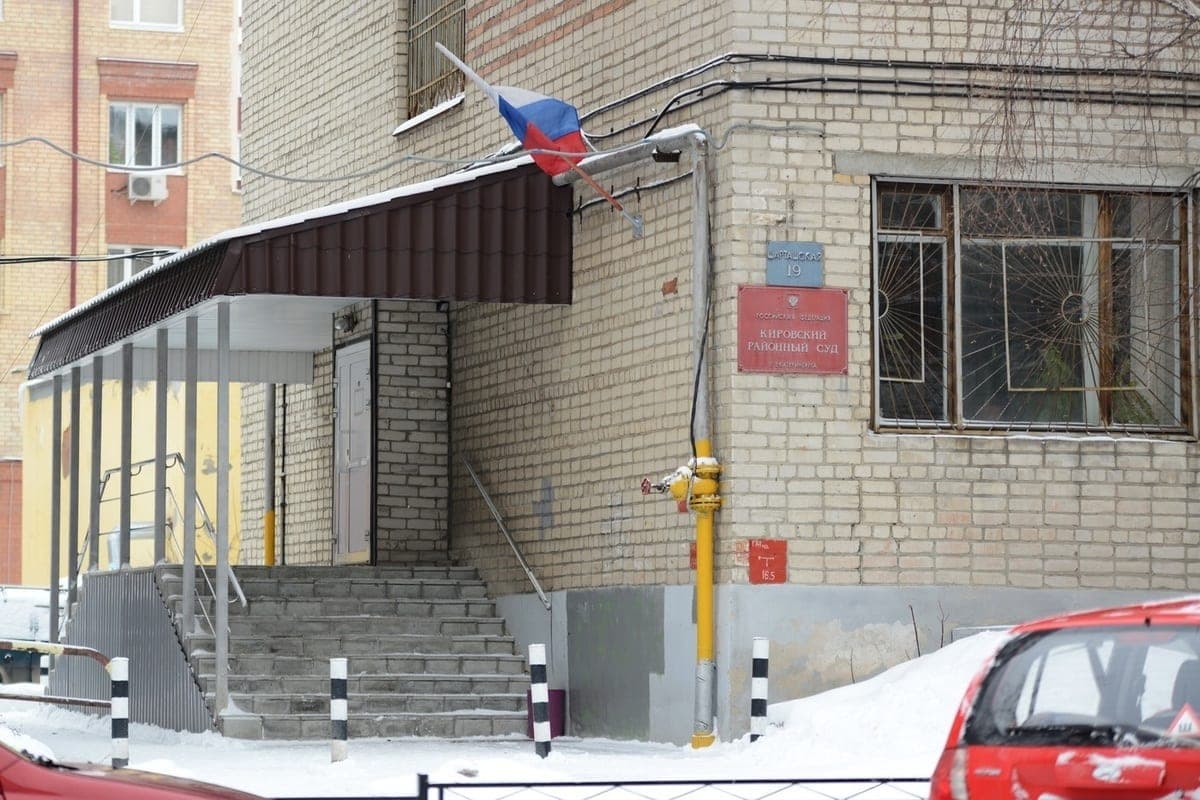
The court put an end to the case of an assistant professor of forensics of the Institute of Emergencies, accused of receiving bribes from cadets. This is reported by the press service of the courts of the Sverdlovsk region.
The Kirov district court of Yekaterinburg in June 2026 found associate professor of the Department of Forensics and Engineering and Technical Expertise of the Ural Institute of the SPS of the Ministry of Emergency Situations of Russia Evgenia V. guilty of receiving bribes from cadets.
As established by the court, V., having the authority to accept course projects and decide on the admission of students to certification, took money for positive grades. For one such assessment, the teacher asked for 3,000 rubles. In total, the cadets gave her more than 115,000 rubles, depending on whether the students will be able to move to the next course or will be expelled.
The actions of the associate professor are qualified under Part 3 of Art. 290 of the Criminal Code of the Russian Federation (“Getting a bribe by an official for illegal actions”). The court imposed punishment: 4 years of imprisonment in a general regime correctional colony, a fine of 1 million rubles, as well as a ban on teaching for a period of 4 years.
The verdict was appealed by the prosecutor and complaints from the convicted and her lawyer. However, the Sverdlovsk Regional Court, having considered the case materials, left the decision of the court of first instance unchanged.
In June, “MK-Ural” wrote that the Kirov district court of Yekaterinburg sentenced associate professor of the Department of criminalistics and engineering and technical expertise of the Ural Institute of gps EMERCOM of Russia Evgenia V.
She was found guilty of taking bribes from students for positive grades on coursework. The court found that the teacher accepted the defense of course projects and decided whether to allow cadets to certification. This directly depended on whether the students will move to the next course or be expelled.


