How to help stroke patients in Belarus and why it is important to see a doctor on time
Stroke does not give the right to delay: it begins suddenly and develops rapidly. For external manifestations - weakness in the extremities, violation of speech.
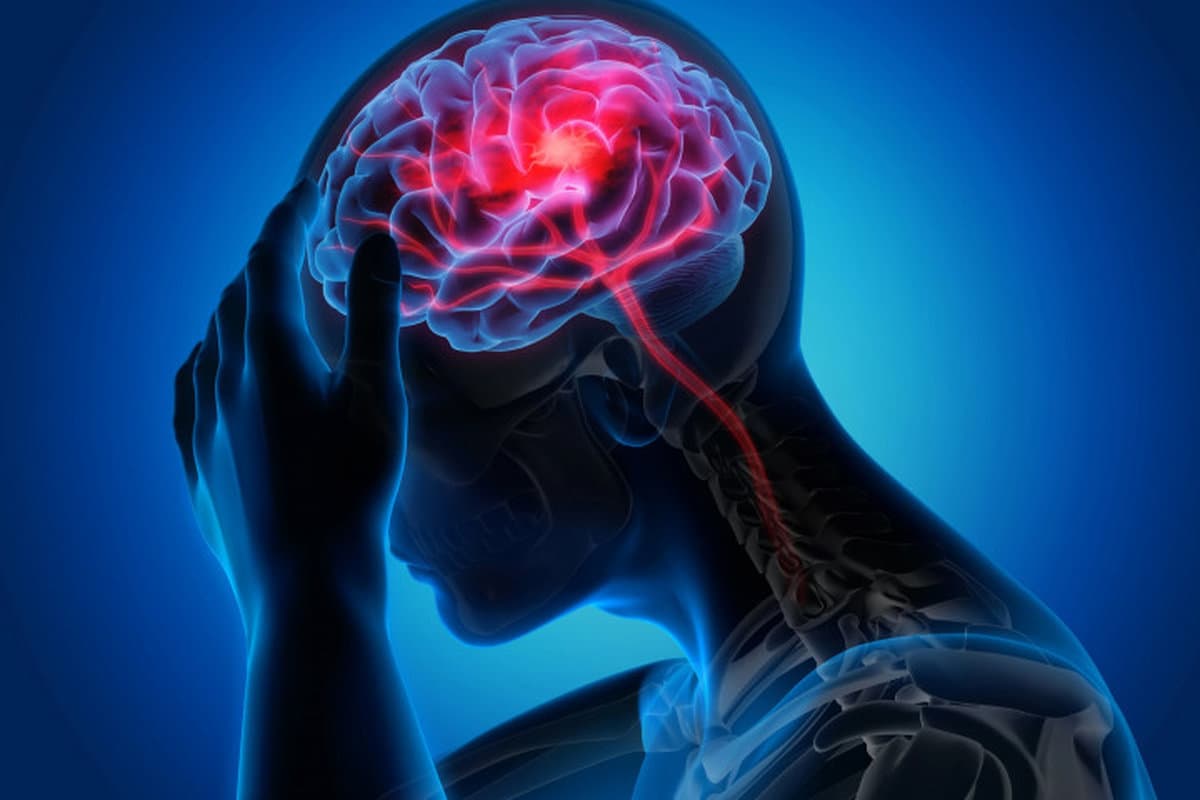
Stroke does not give the right to delay: it begins suddenly and develops rapidly. Behind the external manifestations - weakness in the limbs, speech disorders, a sharp headache - there is a complex and dangerous situation when the brain ceases to receive blood. The future depends on how quickly a person will be under the supervision of doctors, because after a few hours the damage becomes irreversible.
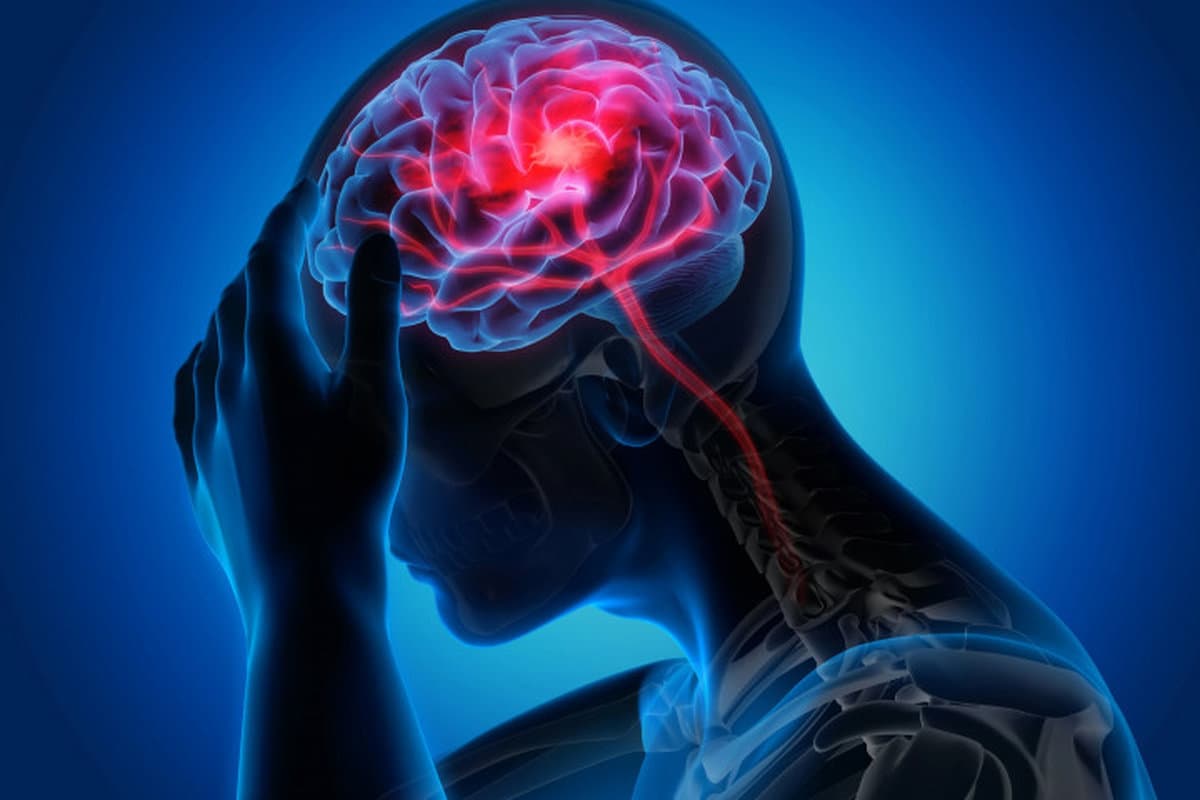
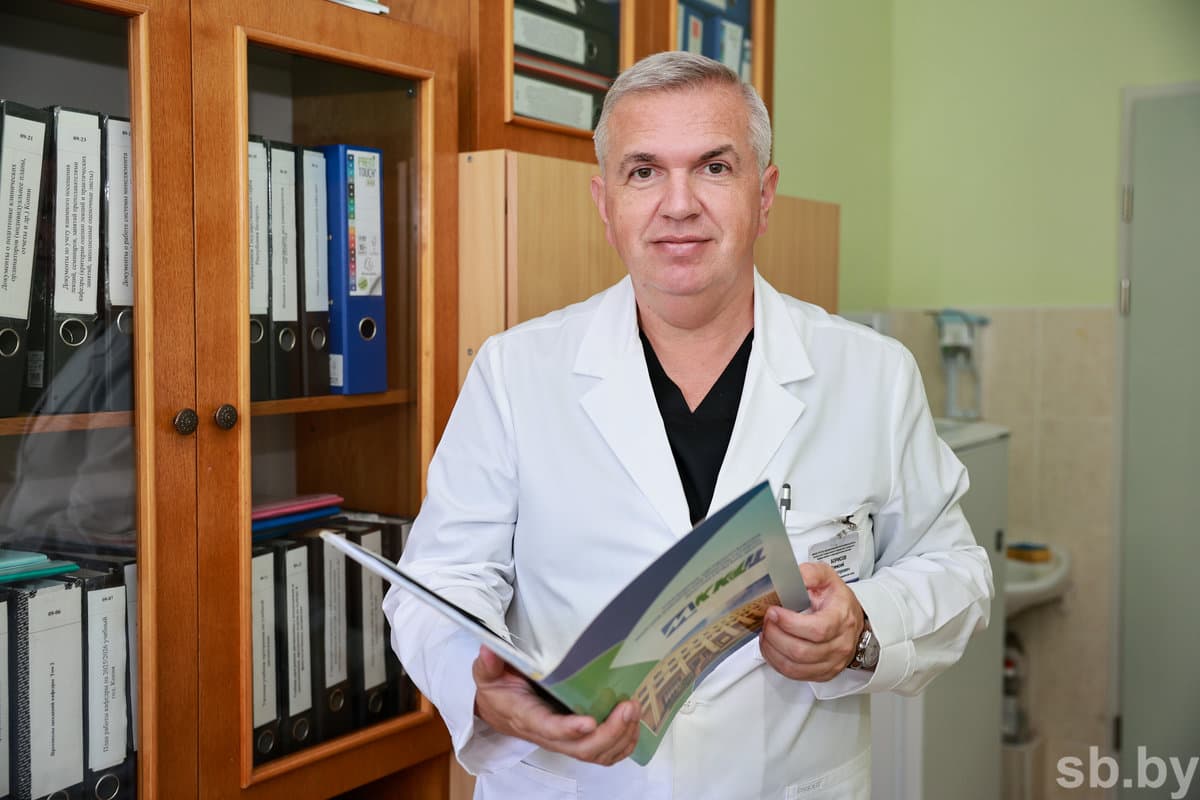
Stroke remains one of the most common and dangerous neurological pathologies, and its first manifestations directly depend on which part of the brain is affected and what type of stroke - ischemic or hemorrhagic - caused the violation. Ischemic (blockage of the vessel with a blood clot) occurs in more than 80 percent of cases and most often begins with a sudden decrease in strength in the extremities, emphasized Professor of the Department of Nervous and Neurosurgical Diseases of BSMU, Doctor of Medical Sciences Alexei Borisov:
The hand and foot stop listening, and strictly on one side of the body. Sometimes only the arm or leg suffers. Sensitivity is also disturbed: half of the body becomes numb, there is a feeling of tingling or creeping goosebumps. Frequently changing facial expressions: when trying to smile becomes noticeable distortion of the lower part of the face, lowers the angle of the mouth. Another early symptom is a speech disorder. In some cases, shaky gait develops.
Hemorrhagic stroke (vessel rupture and hemorrhage in the brain) is more severe and causes higher mortality. Its onset is usually abrupt: a sudden intense headache that a person has never experienced before, a rapid decrease in the level of consciousness up to its loss, nausea and vomiting are possible.
- Age remains one of the main risk factors: every decade the probability of stroke doubles, said Alexei Borisov. Most often it develops in people 60-70 years. However, in recent years, the problem has been noted among young people largely due to the earlier formation of severe atherosclerosis and other lifestyle factors.
Stroke is formed under the influence of several key causes, the main ones are atherosclerosis and arterial hypertension. Increase the risk and heart disease, especially atrial fibrillation, as well as diabetes, smoking, heredity, age and overweight. Each of these factors acts in its own way. For example, smoking causes vascular spasm and contributes to the formation of blood clots, creating conditions for disruption of cerebral blood flow.
Stroke refers to conditions that require immediate medical care. Four hours after the onset of the disease in the brain can form irreversible changes that are difficult or impossible to influence. Therefore, time becomes a key factor: the patient should seek help in the first hours, call an ambulance and arrive at the hospital as early as possible - optimally within one to two hours of the onset of symptoms. “The main method of treatment of ischemic stroke remains thrombolysis – dissolution of a thrombus, which blocks the vessel and causes a violation of blood flow,” said Alexei Borisov. We also use mechanical removal - thromboextraction. This method can be used later than thrombolysis, which provides an opportunity to help patients who did not have time to get into the four-hour therapeutic window for drug treatment. To restore blood supply to the affected area of the brain, these two methods are often combined.
With hemorrhagic stroke, we are talking about basic therapy and possible surgical intervention. The decision is made by the neurosurgeon, assessing the volume of hemorrhage, the patient's condition and the risks of surgery. Diagnosis of both types of stroke is usually based on a combination of patient complaints, clinical examination and neuroimaging. To confirm the diagnosis, CT or MRI of the brain are used - methods that allow you to quickly determine the type of stroke and choose the right treatment tactics.
Despite the seriousness of the disease, stroke is well preventable. Regular control of pressure, lipid levels, timely treatment of cardiovascular diseases and rational nutrition significantly reduce the likelihood of its occurrence, added Alexei Borisov:
- Prevention is based on two strategies. The first is population-based, aimed at reducing risk across society. These are initiatives that form healthy lifestyle habits, including reducing the consumption of fatty and salty foods, increasing physical activity. The second approach focuses on people with identified risk factors. In such cases, the doctor identifies violations and selects treatment to prevent a dangerous diagnosis.
basikirskaya@sb.by