
Electric is not the best: how to choose the right toothbrush
Today, the choice of tools for oral hygiene has become a real science: there are models with ultrasound, vibration, timers
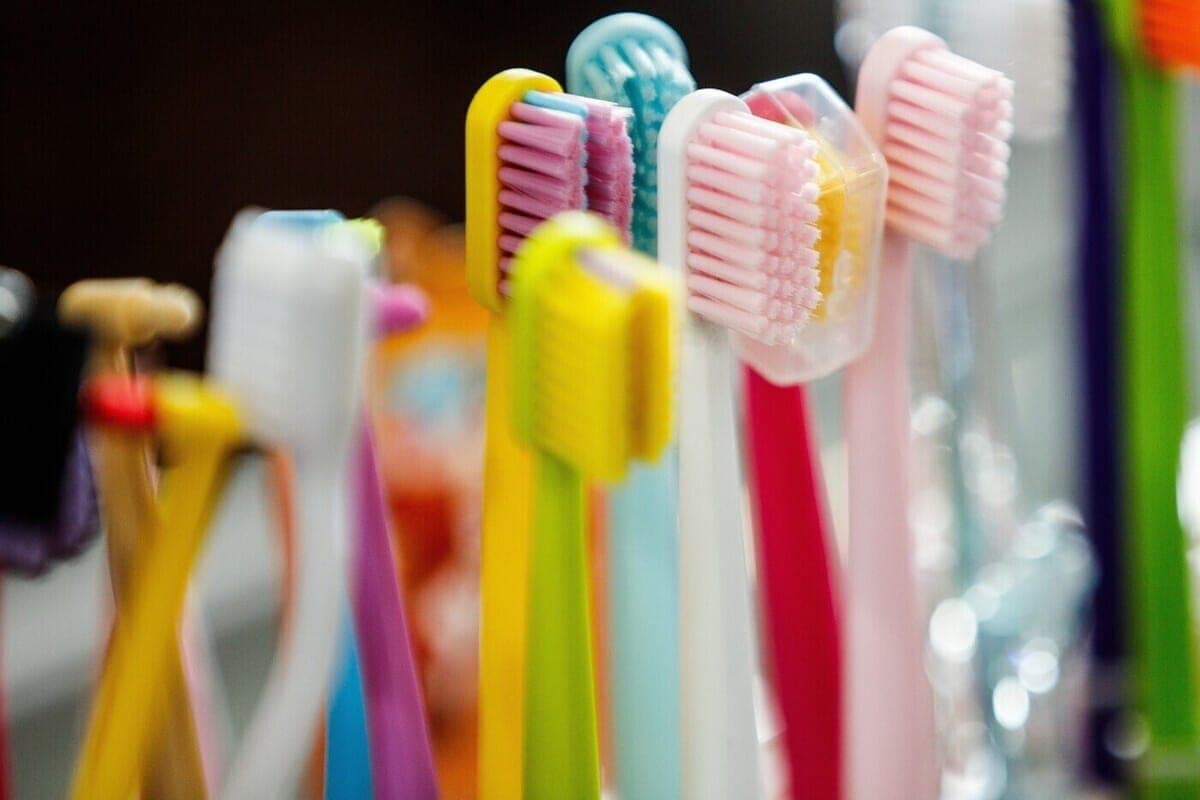
The popularity of electric brushes is largely based on their reputation as a more effective hygiene product. And there is some truth to this: when compared with conventional brushes, electric ones remove plaque more efficiently by 10-20%.
But there is a nuance that is often forgotten: for oral health, technology is much more important than power. An electric brush does not brush your teeth better than a hand brush by itself, it simply performs for a person those movements that he does not do well enough. If the manual cleaning technique is worked out, the advantage of the electric model almost disappears.
When electricity is harmful
Paradoxically, the main disadvantage of an electric brush is the same as the plus – its power. A person who has not spared money on a smart device wants to see the difference as quickly as possible. It seems to him that if you put a little more effort — push harder, hold longer — the result will be even better. But that's a dangerous misconception. An electric brush makes between 3,000 and 40,000 movements per minute, so any deviations from the recommendations can lead to the erasure of enamel and dentin.
As a result, a recession of the gums, bare necks of the teeth, increased sensitivity and wedge-shaped defects of enamel begin. People with thin gums and an already existing recession are particularly vulnerable. For them, the use of an electric brush is a serious risk factor.
Who really needs an electric brush
This does not mean that electric brushes should be abandoned altogether. There are categories of people for whom they are really preferable to manual:
- People with limited hand mobility. The elderly, people with arthritis, neurological diseases or injuries are those who find it difficult to perform accurate sweeping movements. For them, an electric brush compensates for the lack of coordination.
Patients with orthodontic structures. Braces, retainers, bridges create hard-to-reach places where the plaque begins to accumulate. Return-rotating electric brushes in these cases are more effective than manual ones.
- People with intellectual disabilities or dementia. The ease of using an electric brush in this case becomes a decisive factor.
What really matters
The effectiveness of brushing depends not on the type of brush, but on three factors - technique, regularity and the correct choice of model:
1. Head size. It should be compact, like electric (about 2-2.5 cm). The large head does not allow maneuvering in the area of chewing teeth without injuring the mucous membrane of the cheek.
2. The stiffness of the bristles. The worse the condition of the gums, the softer the bristles should be. Medium is the gold standard for a healthy mouth. Soft - with bleeding, periodontitis or after operations. Hard - only as prescribed by a doctor for specific tasks.
3. The shape of the bristles. Multi-level and domed forms work better than flat, as they allow you to penetrate the interdental spaces.
4. Stubble material. The trend for environmental friendliness also touched on toothbrushes: there are options made of bamboo and other exotic materials. However, natural bristles have a porous structure in which bacteria can multiply, and the tips of natural hair do not undergo perfect polishing like nylon and can scratch enamel. Therefore, the most hygienic and safe choice is synthetic fibers.
Teeth should be brushed twice a day for two minutes. This is enough to cover all the surfaces. If you clean longer, the effect will not improve, but the risk of damage to the enamel and gums will increase.
The brush should be kept at an angle of 45 degrees to the gum - so the bristles penetrate into places where the most plaque accumulates. Do not move horizontally - from side to side, and sweeping movements - from the gums to the cutting edge of the tooth. You do not need to press the brush: if the bristles “flatten” against the tooth, you press too hard.
Whatever brush you use, remember that it is consumable. Erased and deformed villi do not sweep out the plaque, but smear it, turning it into tartar. Therefore, be sure to change the nozzle or hand brush at least once every three months.
Choosing a toothbrush isn’t about competing “progressive” and “traditional.” This is a question of matching your individual problems and needs, the answer to which is best sought with the dentist. But ultimately, the best brush is the one you use correctly and regularly.


