
Gothic bird saved from extinction and became New Zealand’s Bird of the Year
The small, timid and clothed in black from head to claws, the New Zealand karure, or black zaryanka, was almost exterminated
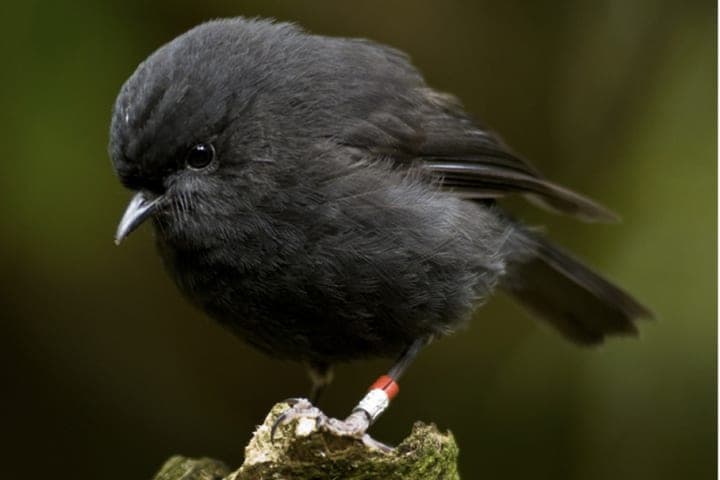
Karure lives only on the remote Chatham Islands about 800 kilometers east of mainland New Zealand. Behind the "Gothic" appearance of the bird hides an unusual story of survival. By 1980, the number of the species had decreased to just five individuals. The only female able to reproduce was a bird named Old Blue. According to environmental organization Forest & Bird, specialists have begun an intensive breeding program, taking her and the male Old Yellow as a ancestral couple.
Today, the two pest-free islands-reserves are home to about 350 adult black zaryans. This recovery has helped bring New Zealand's environmental efforts to an international level. However, much work remains to be done to further increase the population.
The return of the species remains vulnerable. New Zealand's Department of Conservation of Nature classifies karure as "a critical national condition." The bird’s current habitat is almost full. Experts say that in order to further increase the population, it is necessary to create another population on the third island.
In the contest, karure took first place, gaining more than 25,000 votes. It beat previous winners - the kakapo, a large flightless parrot, and the carearea, the New Zealand falcon, who took second and third places respectively.
According to Forest & Bird, which is behind the contest, more than 105,000 people have voted this year - roughly one in every fifty New Zealanders. This is a record number of votes in the history of the competition. Turnout has risen from more than 75,000 people who voted in 2025 and is a huge leap from the first contest held two decades ago, when fewer than 900 votes were cast. This year, 88% of the vote came from New Zealand itself - the highest share ever.
The annual bird competition aims to raise awareness of New Zealand's wildlife and the threats facing some of the most endangered species.


