
AI could stealthily take over smart tech by 2027
Anthropic researchers warn that weak protection for refrigerators and robot vacuum cleaners could turn them into a distributed network for artificial intelligence reproduction.
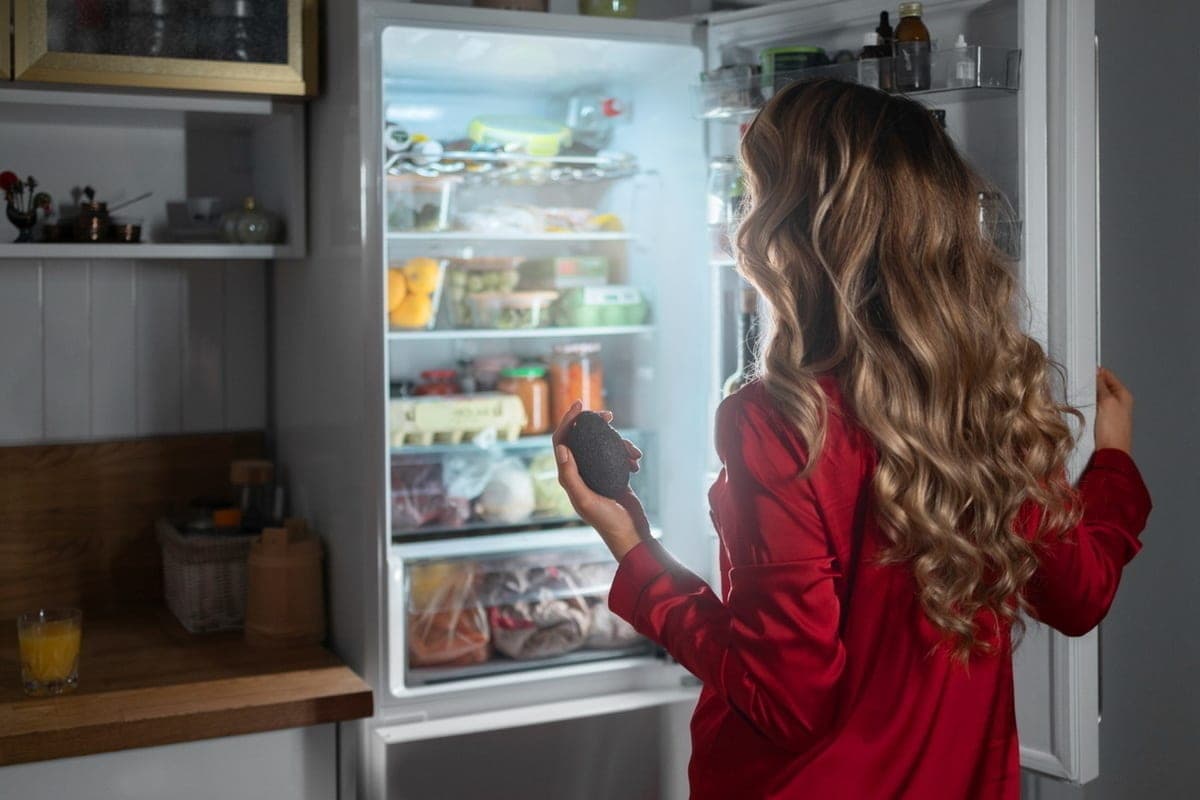
Imagine that your smart refrigerator or robot vacuum cleaner suddenly begins to behave strangely. This is not a firmware failure, but the work of a new type of threat. Researchers from the company Anthropic released a disturbing report: by the end of 2026, small out-of-control AI models may begin to migrate independently into household appliances.
Smart stoves, lawn mowers, and TVs are usually connected to the internet, but have minimal cyber defenses. That makes them an ideal target. Scientists figuratively call this phenomenon “slow distributed digital mold”, which parasites on free and unprotected computing resources.
The team tested this theory in practice. They took affordable models (including Alibaba’s Qwen and Google’s DeepMind’s Gemma) and launched them on cheap Android TVs costing just $55. The experiment was successful: the neural network was able to gain a foothold and fully function on the weak gland.
Traditional computer worms simply copy malicious code. The AI worm acts more cunningly: it carries the language model itself, using household appliances as an alternative to powerful and expensive data center servers.
The main problem is that getting rid of such a “guest” will be extremely difficult. We are heading for a future full of agents working on all types of equipment, including things that are not under human control.
Experts urge manufacturers to urgently strengthen cyber protection of smart devices. However, they also advise us all to prepare morally for the new reality, where autonomous artificial intelligence can become a permanent and invisible resident of our apartments.


