AI helped Sverdlovsk doctors to identify 112 cases of skin cancer
In the Sverdlovsk region completed testing of artificial intelligence technology for early diagnosis of skin cancer
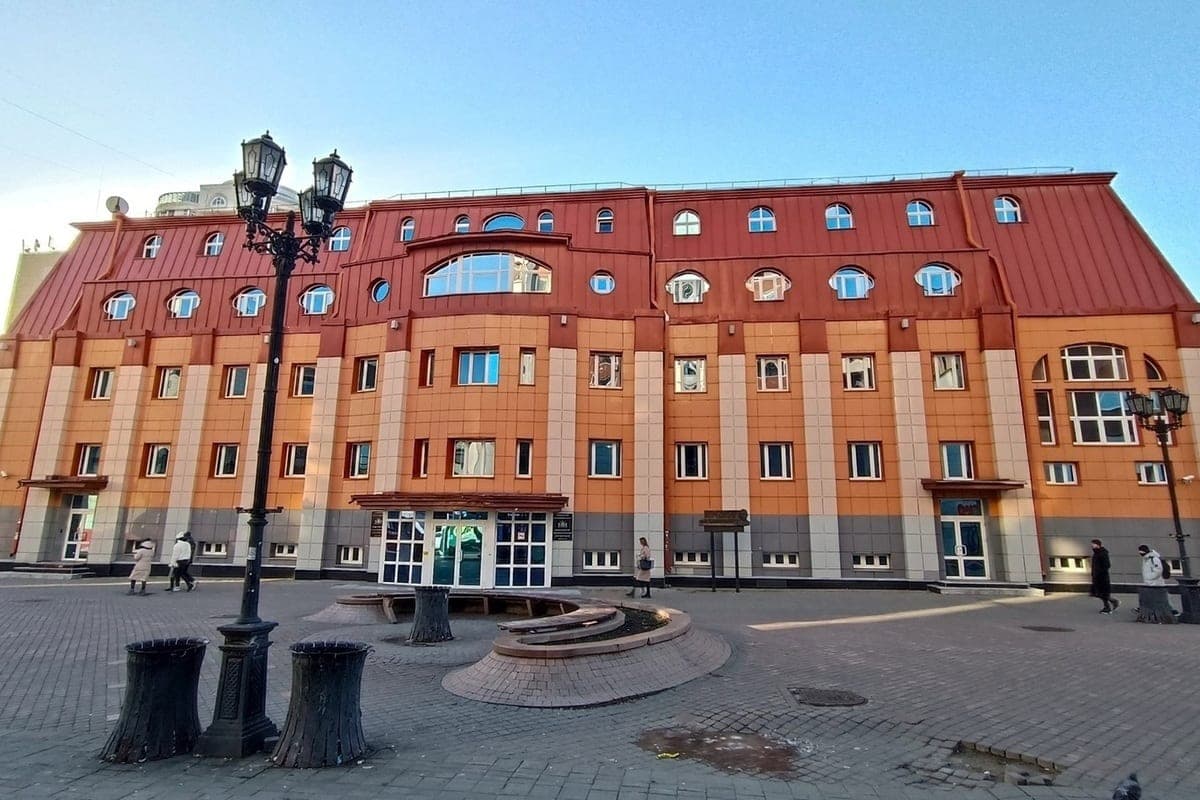
In the Sverdlovsk region completed testing of artificial intelligence technology for early diagnosis of skin cancer. The project was implemented on the initiative of the regional Ministry of Health on the basis of the Sverdlovsk skin and venereological dispensary. For two months – August and September – doctors used the mobile application “About moles” to analyze tumors on the skin and identify possible oncopathologies.
According to the Department of Information Policy, more than 30 dermatovenerologists from Yekaterinburg and dispensary branches in Pervouralsk, Nizhny Tagil, Krasnoufimsk and Kamensk-Uralsky, as well as primary health care specialists, participated in the approbation. During the pilot, more than 1.2 thousand residents of the region were examined using the application. The system noted suspicious areas, and doctors checked the findings of the AI and made final diagnoses.
A separate analysis was conducted in cases where the algorithm was wrong - it gave false positive or false negative results. According to the results of the study, dermatologists confirmed that the accuracy of artificial intelligence conclusions is close to 90%.
The results showed the real benefit of the tool: the application helped to detect 204 suspicious neoplasms, in 112 cases the diagnosis of skin cancer was confirmed. Patients with borderline and precancerous changes were taken under dispensary observation.
It is planned that from 2027 the application will be actively used in medical organizations of the Sverdlovsk region. The goal is to strengthen the prevention of malignant neoplasms and meet the targets of the national project “Long and active life”.
Earlier, MK-Ural wrote that during August and September, specialists of the specialized medical institution of the region evaluated the effectiveness of the mobile application “About Modinki Honey”. The tool was created to help doctors who do not specialize in skin diseases, identify patients at risk for the development of malignant skin tumors.