
High-quality medical care and the rule of the “golden hour”: how in the Grodno region save patients with stroke
Timeliness, coherence of all medical units and modern equipment are the main components of successful treatment of stroke. In the Grodno Regional Executive Committee ...
Timeliness, coherence of all medical units and modern equipment are the main components of successful treatment of stroke. On September 22, the Grodno Regional Executive Committee hosted a round table with the participation of leading doctors of the region, dedicated to the care and rehabilitation of stroke patients. Experts told how the updated logistics system works, why the disease is “younger” and, as a rule, the “golden hour” helps to save lives.
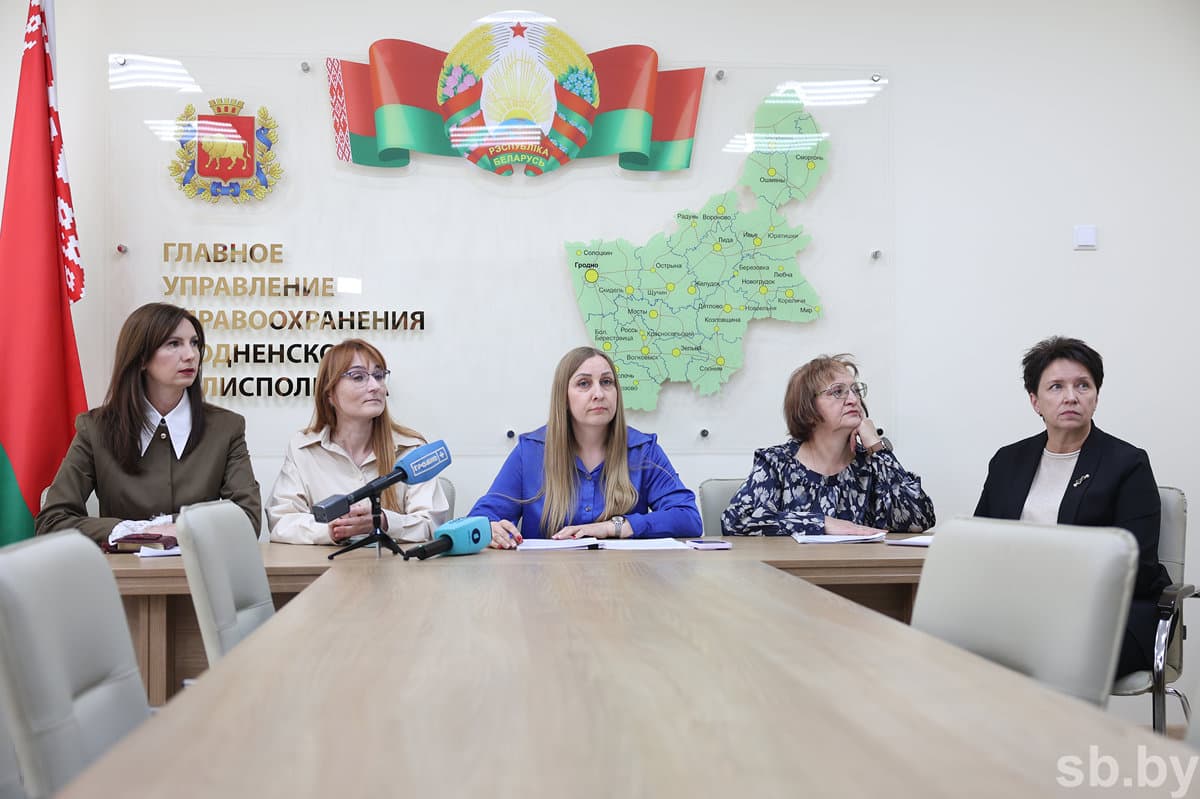
- Acute cerebral circulation disorder remains one of the leading causes of disability and mortality worldwide. Therefore, one of the main tasks of modern medicine is to minimize this problem. In 2025, according to statistics, more than 5 thousand strokes were registered in the Grodno region. And in each specific case, the success of the treatment of the disease directly depended on coordinated actions at all stages of medical links: from a general practitioner to medical institutions, where high-tech assistance is provided. If we talk about residents of the districts, then three inter-district centers operate in the region for the organization of assistance to ONMC at the bases of the Volkovysk, Ostrovets and Lida CRB. All of them have a rational location, which allows to improve the logistics of patients and reduce the delivery time for medical care. In addition, with the commissioning of the Grodno Regional Clinical Hospital, the provision of care for residents of the regional center has improved, and now citizens have the opportunity to receive treatment in two health care institutions. All hospitals are fully equipped with all necessary drugs and modern equipment.
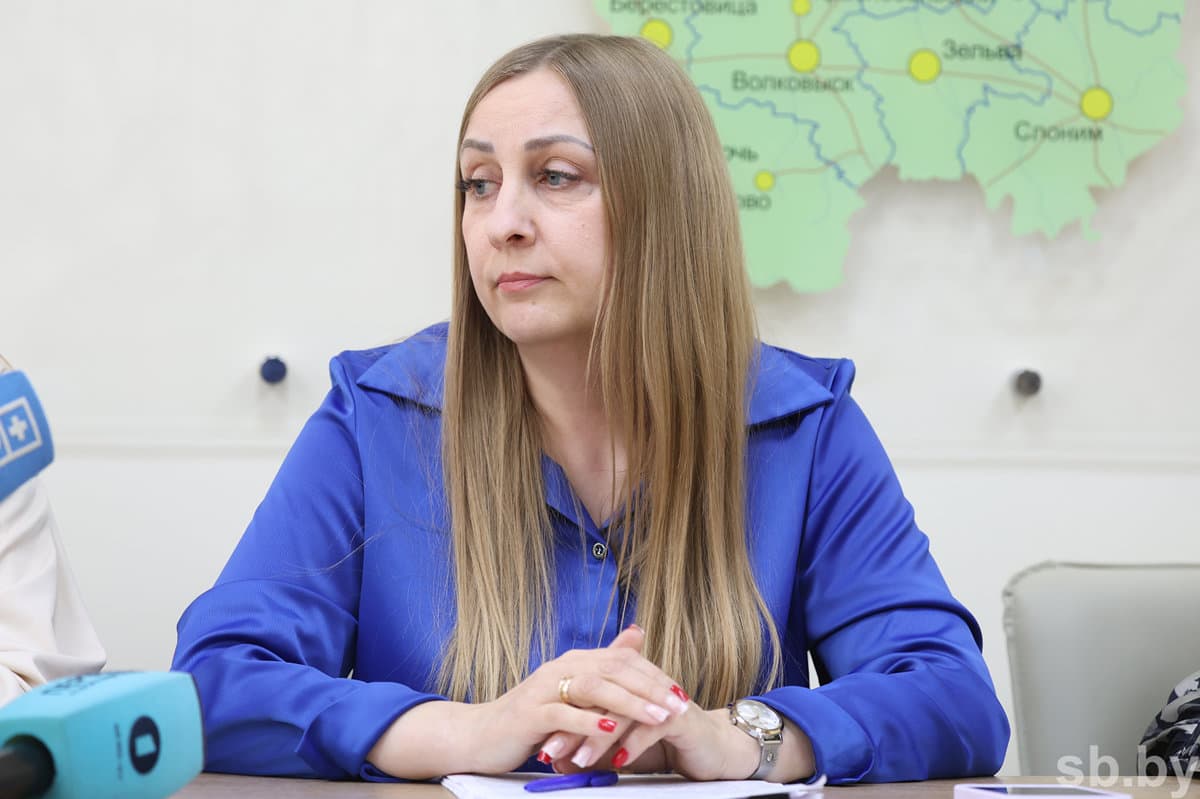
Deputy Chief Physician for the Medical Unit of Grodno Regional Clinical Hospital Victoria Karput noted that, unfortunately, statistics show that strokes have become much younger:
- If before it was people 70 plus, now more and more often there are 40 plus. It is important to remember that stroke can be prevented, and at the first signs reduce the consequences, if you do not lose precious time. Modern methods of specialized medical care are used in Grodno and the region. One of them is aimed at drug dissolution of the thrombus that has blocked the vessel or its mechanical removal. These methods are applicable only if the time interval is met. In the first case, it is 4.5 hours from the moment of blockage, in the second - six hours. With the opening of our facility for citizens, we can talk about a significant expansion of opportunities to help patients with ONMC. Also, the great advantage of our clinic is that it is a multidisciplinary hospital, where a whole team of specialists can be involved at the same time, since such patients have a whole group of concomitant diseases. Our health care facility has 60 beds for stroke patients, as well as 12 intensive care beds.
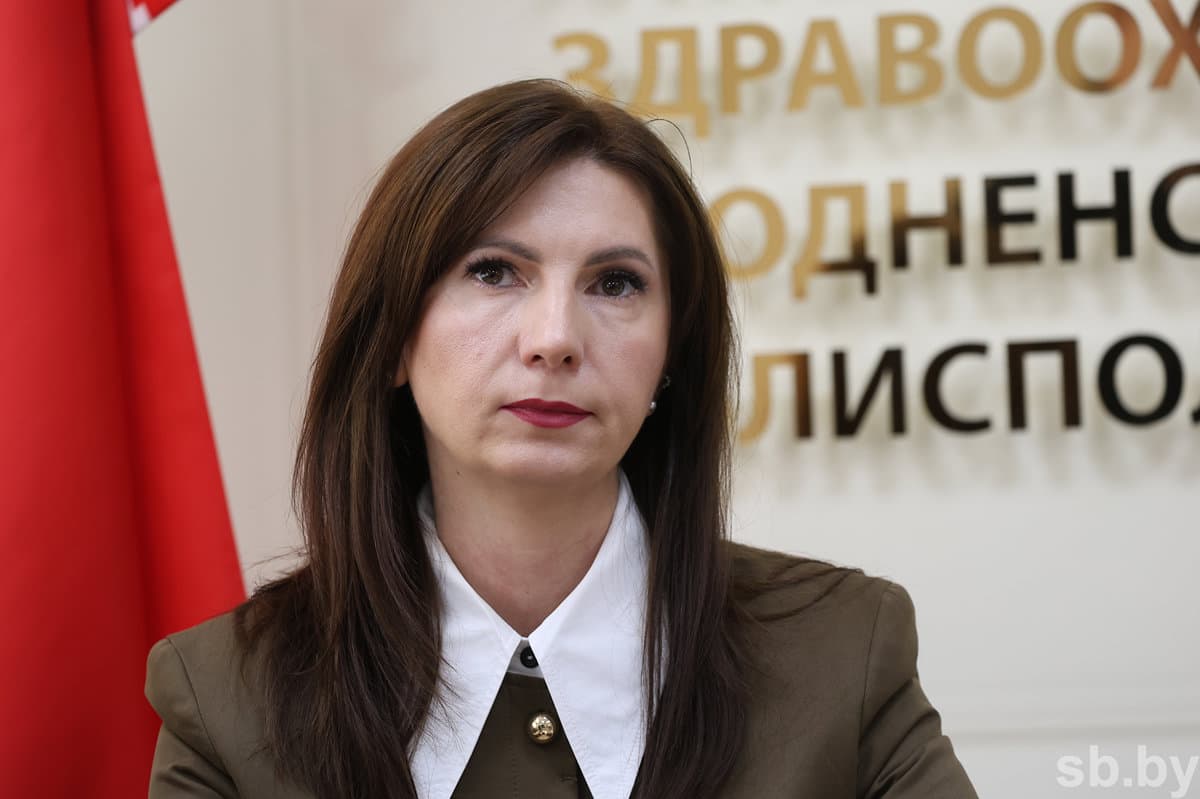
Emergency medical doctor, head of the substation No. 1 of the State University "Grodno Regional Emergency Medical Station" Elena Ivashkevich told how to "keep UDAR":
- Effective UDAR diagnostics have been developed worldwide. What does it mean?
♦ It's a smile. If a person has a suspected stroke, ask the person to smile. If there is a problem, one of the corners of the mouth can crawl down ♦ D – movement. Ask to raise and hold your hands in front of you. ♦ A is articulation. Ask for your name, name, and innocuous question. If all is well, then the person will easily cope with this task. R is the solution. If the smile is crooked, the face is skewed, if the hand does not rise or weakens, if the person cannot say his name, speech is impaired, then a stroke has occurred - and you need to quickly make a decision.
At the same time, it is important that no more than 15 minutes pass from the onset of symptoms to the call of specialists. The emergency call is transmitted to the team within five minutes, another 20 minutes are given to the patient. In general, within 60 minutes, the patient should be taken to a health care facility.
Photo on the announcement: archive "SB".


