
How to ride in transport and not get sick: in Rospotrebnadzor for residents of the Leningrad region gave a brief guide on respiratory etiquette
The subway, bus or train during rush hour is an inevitable intimacy with dozens of strangers. So that this intimacy does not turn into a hospital, there is respiratory etiquette. This is not just a set of boring prohibitions, but a working mechanism of collective security. This was reported in the interregional Department of Rospotrebnadzor in St. Petersburg and Leningrad region.
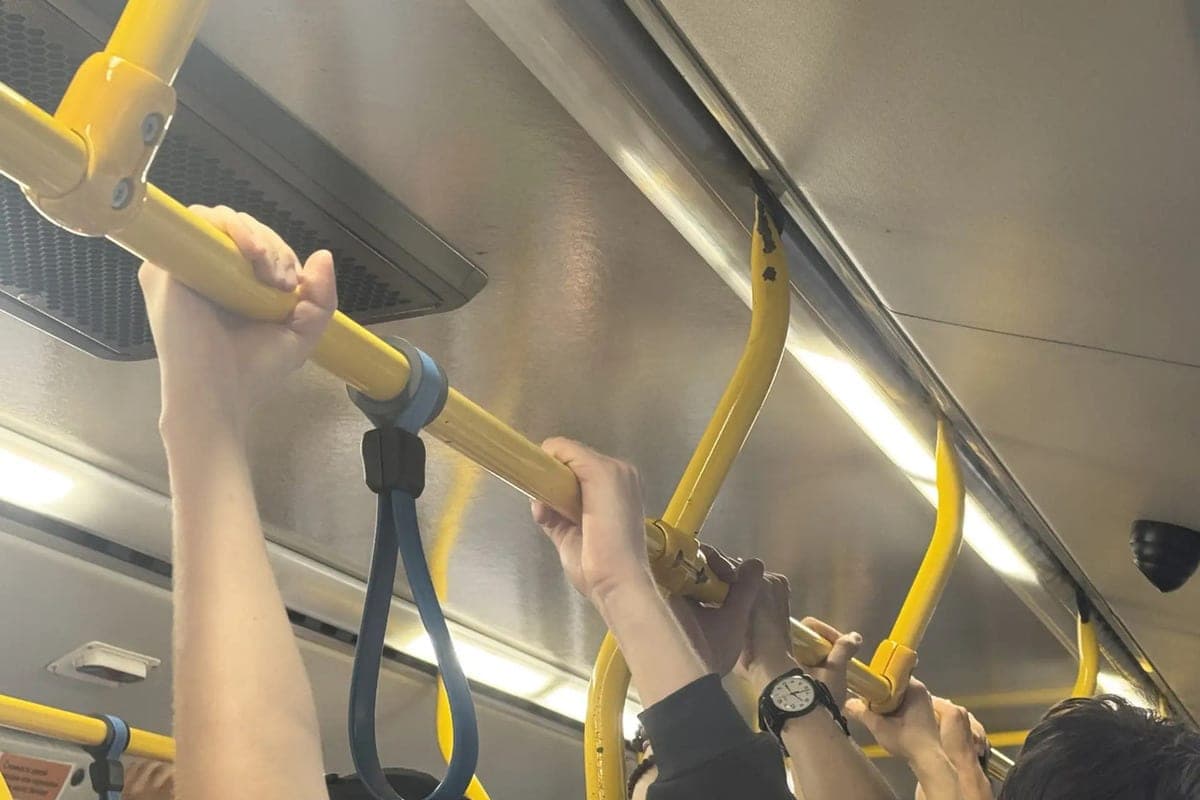
The subway, bus or train during rush hour is an inevitable intimacy with dozens of strangers. So that this intimacy does not turn into a hospital, there is respiratory etiquette. This is not just a set of boring prohibitions, but a working mechanism of collective security. This was reported in the interregional Department of Rospotrebnadzor in St. Petersburg and Leningrad region.
What is respiratory etiquette? This is a set of measures that minimize the spread of viruses and bacteria in enclosed spaces, and the manifestation of concern for their own health and the safety of others.
Why does this concern everyone?
Viruses and bacteria love transport: a confined space, constant air circulation and a large crowd of people create ideal conditions for their spread. There are always vulnerable links in this chain - the elderly, children, pregnant women or passengers with chronic diseases. In addition, elementary politeness (no loud cough over the ear and foreign smells) directly affects the mood in the morning stampede.
Checklist of polite passenger
1. Elbow and napkin rule. Feel the urge to cough or sneeze - turn away from the flow of people, cover your mouth with an elbow or a napkin. Used napkin immediately put in your pocket to throw in the urn on the street.
2. Clean hands. Handrails and validators pass through hundreds of hands. Keep a sanitizer in your pocket and use it immediately after leaving the cabin.
3. Don't touch the rule. We unconsciously touch the face up to 20 times an hour. During the trip, it is worth taking control of it, so as not to transfer possible pathogens from the mucosa to the hands and back.
If you get sick, the etiquette becomes stricter. Mask with a cold and cough is no longer a recommendation, but a necessity. If the temperature is high or the condition does not allow you to confidently stand on your feet, it is better to postpone the trip. If it is impossible to move the business, choose a time with minimal passenger traffic. And most importantly, try to turn to fellow travelers side by side, not face to face.
Earlier, “MK in Leningrad” wrote that


