
SocietyPublished
How to cook potatoes in the oven to get a crispy crust
Why are potatoes in the oven soft and not crispy? We analyze the recipe by steps: varieties, starch, drying, oil and temperature. With variations and typical errors.
By
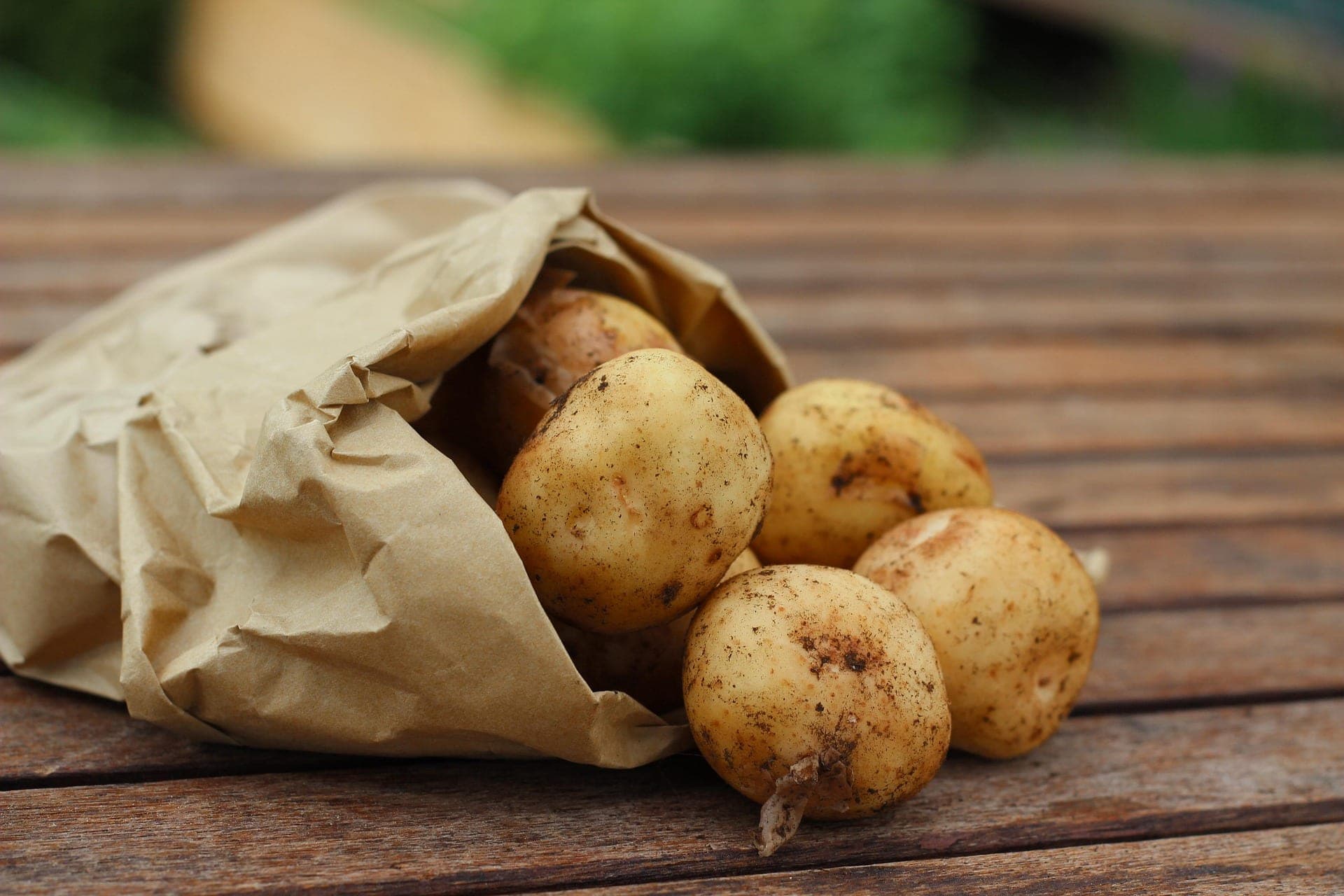
Crunchy potatoes from the oven is not magic, but competent work with starch, temperature and oil. Below is a proven recipe explaining why each step is important, so you can adapt it to your oven and get the perfect result.
Ingredients (for 6-8 servings)
- 1.potatoes - 2 kg (it is better to choose varieties with moderate starch content: "Gala", "Red Scarlet", "Colombo");
- 2.refined vegetable oil - 8-10 tbsp. l. ;
- 3.salt - 3 tsp (plus a pinch for water);
- 4.black pepper, to taste;
- 5.paprika sweet ground - 2 tsp. ;
- 6.dried garlic - 1-2 tsp (or 4-6 cloves of fresh);
- 7.rosemary (fresh or dried) - several twigs or 2 tsp.
Step-by-step recipe
- 1.Peel and cut. Peel the potatoes and cut with slices of approximately the same thickness (1.5-2 cm). If the lobules are of different thicknesses, some will burn, others will remain raw.
- 2.Remove the excess starch. Put the lobules in a pan, pour cold water, add a pinch of salt and leave for 15-20 minutes. Then drain the water and dry the potatoes thoroughly on a paper towel. This is a key step: a dry surface is the key to a crispy crust.
- 3.Mix the spices and butter. In a bowl, combine butter, salt, paprika, dried garlic, pepper and rosemary. Add the lobules and gently mix with your hands or shoulder blade so that each piece is covered with an oil-spicy mixture.
- 4.Prepare the pan. Cover it with parchment or silicone mat and lay the potatoes in one layer, sliced down, with small gaps between the lobules. If put too tightly, the potatoes will “steam” rather than bake.
- 5.Bake it. Warm the oven to 200°C (if there is convection, turn it on). Put the batter in the middle of the oven and bake for 25 minutes. Carefully turn the lobes over with a spatula and bake another 15-20 minutes before the golden crust.
- 6.Check readiness. Puncture the thickest slice with a knife: the blade should enter easily, but the potatoes should not fall apart. If the crust is already rosy, and the inside is still damp - remove the temperature to 180 ° C and finish 5-10 minutes.
- 7.Let me rest. Remove the batter from the oven and leave the potatoes for 3-5 minutes: so the crust will become even more crispy, and the inner part will “come” due to the residual heat.
Serve hot, sprinkling with fresh greens - parsley or dill.
Why it works: scientific and culinary nuances
- 1.Removal of starch reduces the risk of a “glue” surface: less starch – the crust is better grasped.
- 2.Drying removes moisture, which prevents the formation of crust and provokes extinguishing instead of baking.
- 3.Oil and spices before baking help to create a uniform spicy shell, which when heated becomes fragrant and crispy.
- 4.One layer and gaps ensure the circulation of hot air around each lobe - this gives a crunch.
- 5.Convection accelerates the formation of the crust due to blowing, but requires control: at too high a temperature, the edges can burn before the middle is baked.
Variations and life hacks
- 1.Garlic and butter. In the last 5 minutes of baking, add pieces of cold butter and crushed cloves of garlic to the pan - the aroma will be restaurant.
- 2.Cheese. For 7-10 minutes before the end, sprinkle the potatoes with grated hard cheese (parmesan, grana padano) - you will get a cheese crispy crust.
- 3.For a less calorie option. Reduce the oil in half, and use 2 tbsp to clutch the spices. yogurt without additives or kefir - the crust will be less greasy, but still pleasant.
- 4.Young potatoes. It can not be cleaned, but simply washed well with a brush and cut into halves or quarters - the peel will add texture and taste.
Frequent mistakes and how to avoid them
- 1.Wet potatoes. If you do not dry, the crust will not work. Use paper towels and take your time.
- 2.The temperature is too high. At 220-230 °C, the crust quickly darkens, and inside the potatoes can remain raw. Better 200 °C with convection or 210 °C without it.
- 3.Stirring in progress. The blade can damage the formed crust. Turn over carefully and only once.
- 4.Tight laying. Between the lobes should be at least 0.5-1 cm of free space.
Read also:
- 1.Crunchy, with cumin and cranberries: how to prepare the right sauerkraut in Belarusian
- 2.Not for all superfoods: who are categorically contraindicated pumpkin, squash and beets this autumn
Photo: pixabay, used for illustration


