
Karelian wildlife specialist analyzes more frequent cases of bears
In recent months, the media space has been replete with alarming reports of bears approaching human settlements
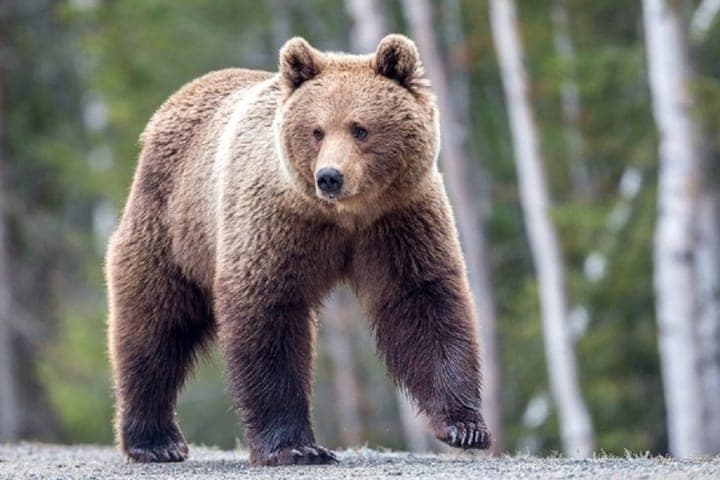
In recent months, the media space has been replete with alarming reports of bears approaching human settlements. However, according to expert estimates of zoologists, for most inhabitants of the European part of Russia, the actual risk is minimal, and Karelia is no exception.
Leading zoologist of KarRC RAS, Konstantin Tirronen, explained that within the region bears rarely pose a threat to humans. This is a phenomenon largely due to centuries of natural selection: individuals who showed excessive fearlessness near human settlements did not have the opportunity to reproduce, which contributed to the consolidation of the behavioral model of caution in population genetics.
In contrast, Siberian bear populations have more daring behavior than Karelian bears. In addition, in Siberia, there are often “shutuns” – individuals that do not hibernate in winter due to injuries or insufficient accumulation of fat reserves. In Karelia, such cases are practically not recorded: even with a shortage of feed base, animals successfully hibernate, and disturbed individuals tend to find a secluded place to complete it.
Experts emphasize that, despite the possibility of individual animals displaying atypical behavior, cases of mass attacks on people are statistically extremely rare. However, with food shortages, the likelihood of collisions increases, so it is important to follow safety rules in the forest and not leave food waste near housing.


