
Ticks caused dangerous diseases in 37 residents of Leningrad region
Public Rospotrebnadzor in St. Petersburg and Leningrad region told about the results of monitoring tick-borne infections from the beginning of 20206. During this time, about 9 thousand complaints about tick suction were registered. And this figure is almost no different from the same for last year.
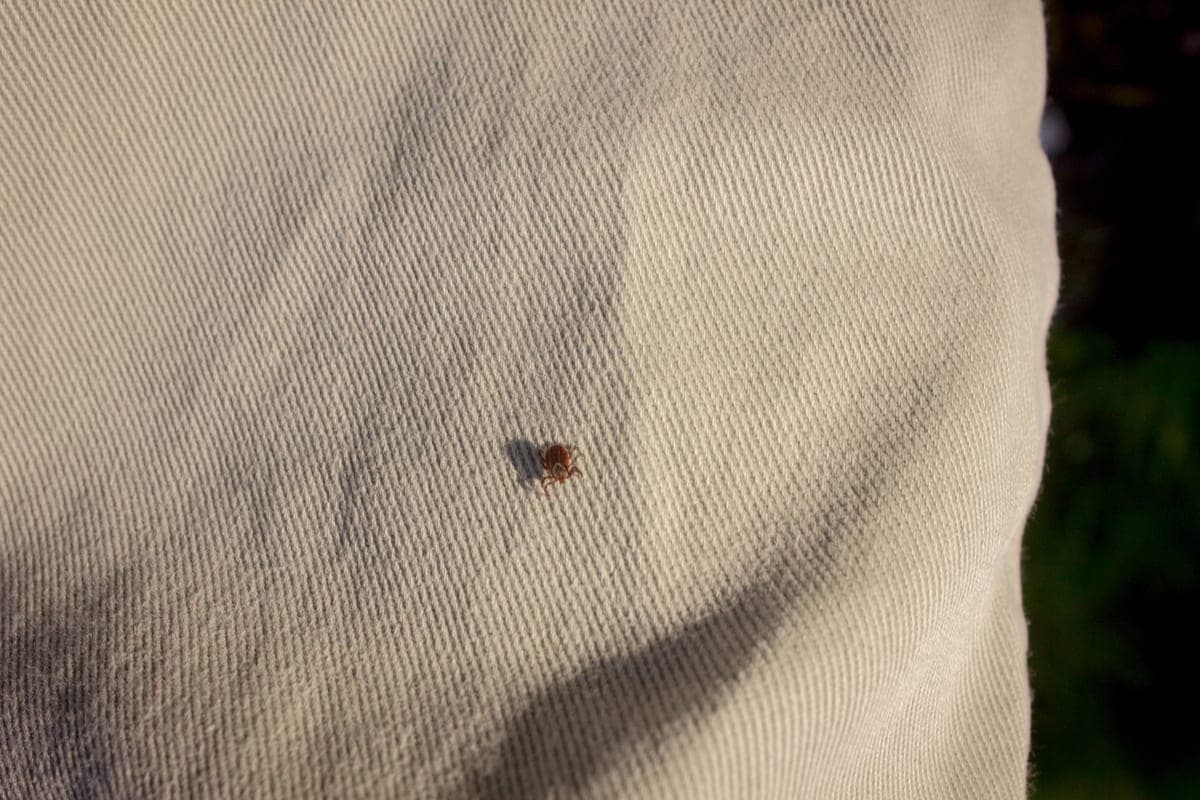
Public Rospotrebnadzor in St. Petersburg and Leningrad region told about the results of monitoring tick-borne infections from the beginning of 20206. During this time, about 9 thousand complaints about tick suction were registered. And this figure is almost no different from the same for last year.
11.5 thousand ticks were sent for laboratory studies. The causative agents of tick-borne borreliosis among them were identified in 12.8 percent of cases. Infection of ticks with viral encephalitis - 0.28 percent, human granulocytic anaplasmosis - 0.28 percent, human monocytic ehrlichiosis - 0.55 percent.
As a result of tick suction, Lyme disease (ixodic tick-borne borelliosis) sickened 29 people. Tick-borne viral encephalitis was diagnosed in 8 people.
Lyme disease is a bacterial infection. It affects the central nervous system, joints, skin, heart, often becomes chronic. It begins with a rash that resembles a ring. Symptoms: chills, fever, muscle pain, enlarged lymph nodes.
Tick viral encephalitis is a viral infection. It affects mainly the central nervous system. It occurs most often in an acute form. It begins with fever, dizziness, impaired coordination of movements, pain throughout the body. Convulsions, paralysis and other severe neurological disorders are possible. In some cases, a lethal outcome is possible.
We also add that according to Rospotrebnadzor, since the beginning of 2026, more than 71 thousand people have been vaccinated in the Leningrad region. Acaricide treatments were carried out on an area of more than 3 thousand hectares.


