
The basket son is a recognizable image that has become a meme. What kind of men and who made them
He marked the age of majority in the last century, but still retains the child-parental model in relations with the mother: it depends entirely on her opinion, she said.
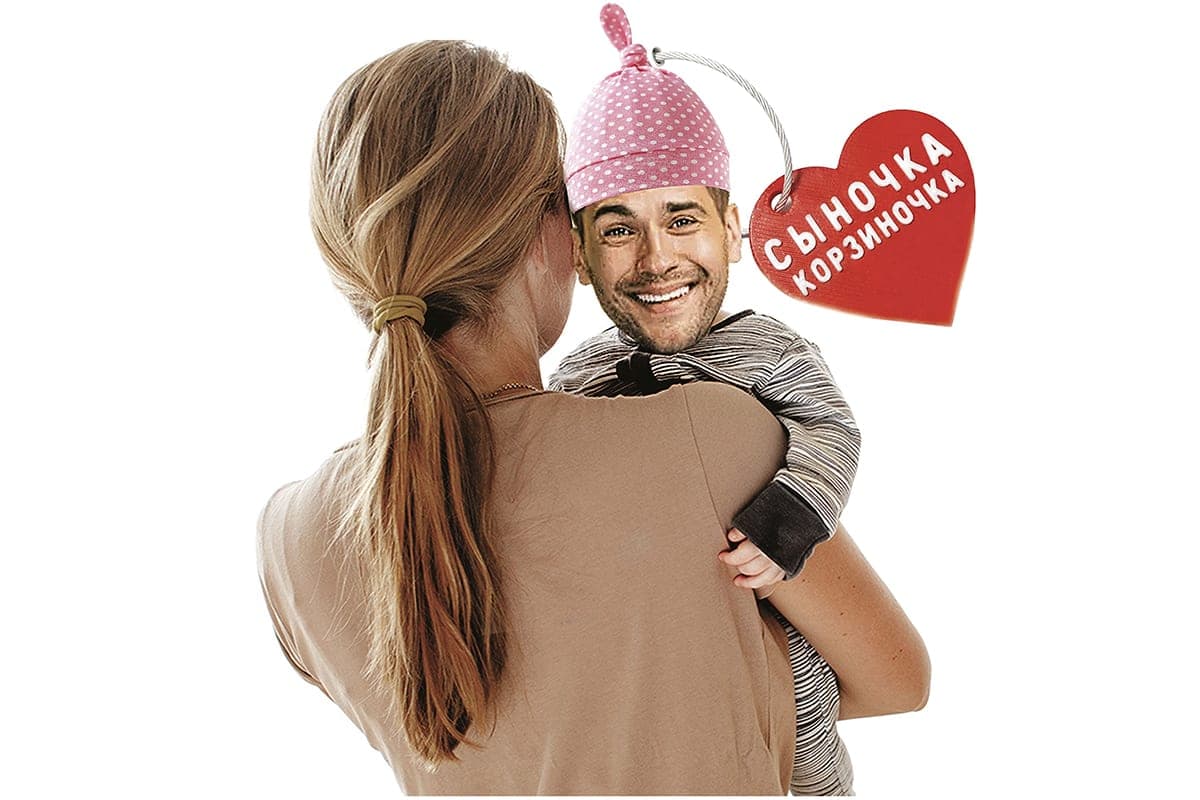
He noted the age of majority in the last century, but still retains the child-parental model in relations with the mother: completely depends on her opinion, avoids making any decisions without the approval of the “main woman of her life” and shifts all organizational and household tasks to her. Meet the basket son - a recognizable image that has become a meme.
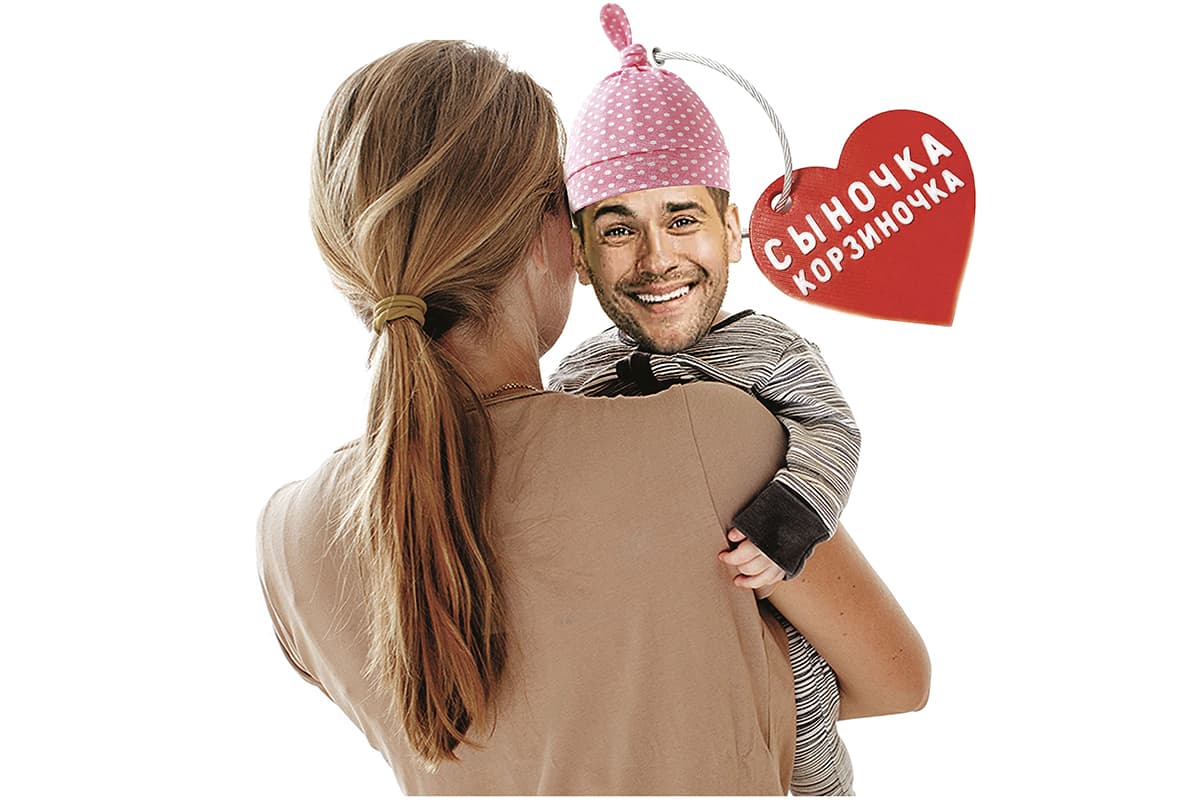
The solo of the third extra “Son-basket” is an ironic expression that in recent years has successfully ousted the once popular phraseology “mother’s son” from colloquial speech. The essence, however, remained the same: the so-called spineless, insecure man with a pronounced dependence on his mother. The very image of the “basket” is associated with the metaphor of hyperprotection: it is assumed that the mother “carries the son in the basket”, takes over the organization of his life, decision-making and part of the responsibility. This behavior is the result of a never-failed separation from the parent figure.
“My nephew is 39, but my older sister is still the center of his universe. They live together, mother prepares sonula to eat, washes and irons his things, in the evenings they often walk together in the store or cafe. Potential friends do not pass a strict casting: you need to somehow squeeze into the space occupied by a loving mother. None of them had the patience and strength to “fall down” a competitor
“Met a man. He's 32, a separate apartment, good job. But his mother controlled literally everything in his life: she picked up his haircut, bought his underwear, paid for a communal apartment and a day later visited her favorite “basket” with bags full of food. It came to the absurd: I come to him in the hope of a romantic evening with all the ensuing, and the door opens me cunning aunt who, as ordered at this moment, ran to visit the child, and, of course, he invites her to join us at the table. Then it’s too late for my mom to get home, so she goes to bed in the living room and I get a taxi
I have been married to such a basket for 2 years. Constant comparisons with my mother: she cooks better, and her house is cleaner and more comfortable, and she decides for us where we will rest, what sofa we will buy in the hall. Who remembers Bunny McDougal from Sex and the City? That's our option. Only younger. The figure of my mother-in-law was raised to such heights that it was impossible for me to reach. Of course, there is nothing wrong with a mother loving her son very much. But it is necessary to clearly understand the boundaries of this love, in other words, to catch the line beyond which love turns into pressure, says psychologist Tatiana Ushakevich:
- In fact, the main social and biological task of parents is to raise and educate their children so that they learn to live without them. These are the basic principles of timely separation and procreation. In dealing with adult children's problems, mothers and fathers deprive them of their right to self-determination and choice. Let’s be honest: a child does not form on its own. A basket son is a product of upbringing, more often a mother’s. And in such a situation, it is the mother who closes her egoistic needs for unconditional love: there is a man who obeys her, who is devoted to her, who devotes his life to her. Most likely, there is some unclosed gestalt in the life of a woman. Perhaps she was deprived of the warmth and care of her parents or was disappointed with her husband’s attitude in marriage. Or maybe she gave birth to a child for herself and didn’t really experience male love. And now there is a convenient "substitute" by which you can compensate for these deficits.
- A loving and caring mother for an independent son - how to describe her in a few words?
- This is a mother who trusts the child, believes in his strength, allows him to make his own choices and is not afraid that he will make mistakes, because it is with our desire to protect our son or daughter from the adversity of life that hyperprotection begins. Without noticing it, women make every effort to ensure that the child began to live the life of the mother, felt responsible for her condition, became her main person. And now it is completely unprofitable for the mother that the son grows not only physically, but also psychologically and goes to another woman. Who is going to close the deficits?
True motherly love implies the acceptance and recognition of the other person’s right to self-determination. A caring son may remain emotionally intimate with both his mother and his father, but he builds his life as he sees fit, not as those who consider themselves more authoritative and wiser advise him. The right to stuff your own cones – Tatiana Alexandrovna, why is the basket getting bigger? Is it all the fault of the notorious infantility, about which only the lazy one does not talk today?
- I don't think the number of men in their 30s who are too dependent on their mothers has increased significantly. Basket sons have always existed. Consider examples from Soviet cinema. The same Zhenya Lukashin from “The Irony of Fate...” or Benjamin from “Winter Cherry.” Just before, in the vast majority of cases, these guys remained in the shadow of their more successful, independent brothers, and only girls who were “lucky” to enter into a relationship with them could learn about their existence. But these days, the topic of “baskets” thanks to social networks has become viral content.
In fact, these men are nothing more than the product of a deto-centered society — one in which men died in war or died early in peacetime. Women began to realize themselves in children, they sincerely wished them a better fate than their lot. Cared for, cared for, guarded. And so it went from generation to generation, and with each new turn of evolution, this process acquires more and more hypertrophied features. If it was critically important for our mothers and fathers that the son was fed, shod, dressed and studied well (since their parents were often deprived of these benefits for historical and social reasons), then we stepped further: for our blood, we already want maximum comfort, a new iPhone model, a good amount of pocket money. And preferably - no everyday problems. And if they do, Mom and Dad will decide. So we get balding infantils, which could not be weaned from the mother's breast. Modern parents do not want to admit that the sooner the child learns to stuff bumps and cope with the consequences of both physical and psychological injuries, the faster he masters the art of overcoming life’s obstacles without the help of mom and dad, the more chances that he will grow up as an independent and meaningful person. Theme
My tag
According to a study by parenting site Netmums, mothers, on average, show more care for their sons than their daughters: they forgive disobedience and are less likely to demand participation in household duties. More than half of mothers surveyed said they felt more emotionally connected to their sons. Daughters were more often described as capricious and serious, and sons as daring, but at the same time loving.
The phenomenon of the son-basket is not only in the Russian-speaking Internet space. Its Western counterpart is home sons. Adult men deliberately give up their careers and move to stay with their mother. For example, Luke Parkhurst, a 33-year-old blogger, calls himself a domestic son, while his mother jokingly calls him hub-son, a hybrid of husband and son.
Meanwhile, the network gained popularity scandalous content called “My tag”. Women show how their sons grew up, and then kiss them on the lips, hug or call themselves the first woman in the life of the offspring. This trend of hyperprotection and unhealthy maternal love, which constantly throws users too helpful algorithm, gaining millions of views and comments.
lvk@sb.by


