
Ministry of Health: The first batch of influenza vaccine goes to medical institutions
The Ministry of Health reports that for the season 2026-2027, the composition of influenza vaccines has been updated in full accordance with the recommendations of the World Health Organization.
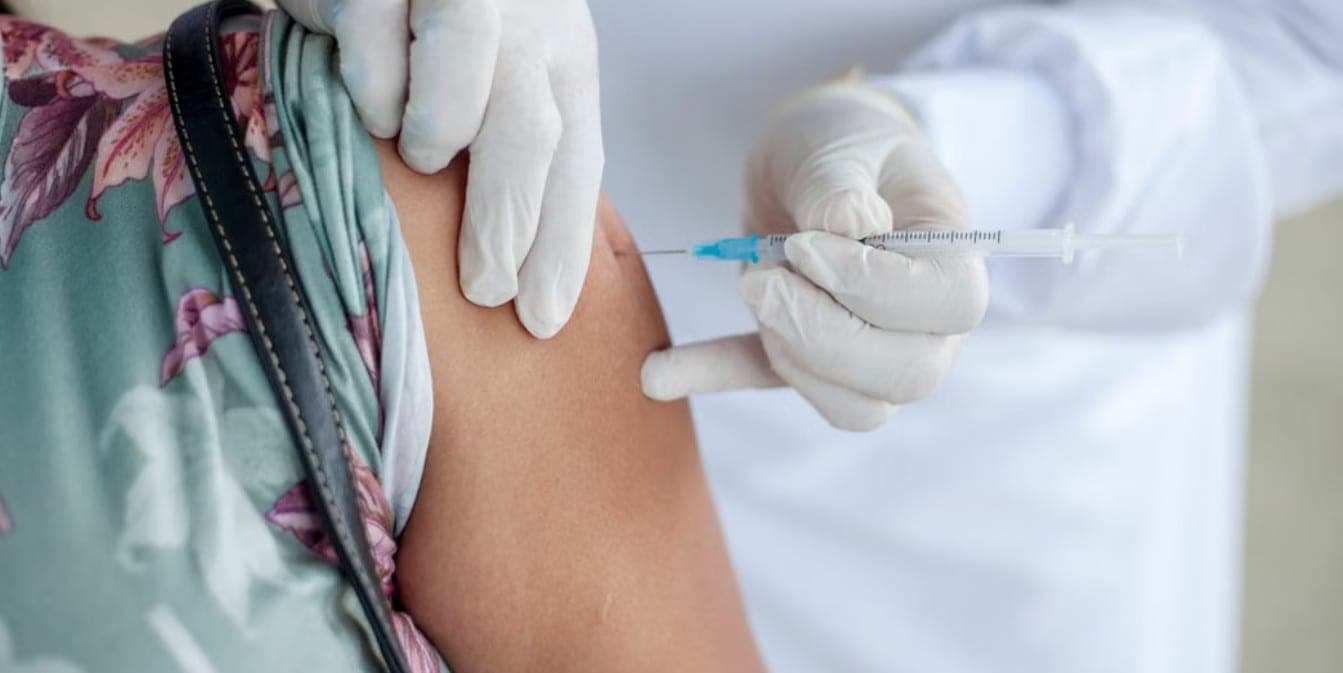
The first batch of the Russian vaccine Grippol Plus has successfully passed laboratory tests and is already being sent to medical institutions, the Ministry of Health reports.
“The first batch has already passed mandatory laboratory quality control and enters healthcare organizations,” the Ministry of Health reported.
The Grippol Plus vaccine was purchased centrally at the republican level. At the expense of the state budget, it will be vaccinated primarily people from high-risk groups, in whom the flu can be severe and lead to complications. Mass vaccination will start in October.
- 1.How to protect the body from colds in September-October: autumn vaccination in polyclinics of Belarus 2026
The Ministry of Health also noted that if desired, you can be vaccinated at your own expense. For this, quadrivalent vaccines "Influvac Tetra" (Netherlands) and "Vaxigrip Tetra" (France) are available.
Influenza and COVID-19 vaccines may be administered simultaneously. For the prevention of coronavirus, the Russian vaccine Convasel will be used.
- 1.“All three components are new”: Belarus updated the composition of the flu vaccine
Experts recommend not to postpone vaccination until November and get vaccinated in October. To avoid haste and queues, it is better to inform your clinic in advance of your intention to be vaccinated.
The Ministry of Health recalled that in the season 2026-2027, the composition of influenza vaccines was completely updated in accordance with the recommendations of the World Health Organization (WHO).
Now there is a traditional increase in the incidence of acute respiratory infections (ARI). This seasonal rise in morbidity, which occurs annually at the beginning of the school year, is a natural phenomenon. Children predominate in the structure of cases, accounting for 68.2% of cases. Non-influenza viruses are predominantly circulating, among which rhinovirus (47.3%), bocavirus (20%) and parainfluenza viruses (14.5%) are leading.
Photo: Pexels / used for illustration


