
Occupational Income Tax October 2026: Full List of Allowed Activities for Artisans
Full analysis of craft activities in Belarus: types of work, tax on professional income and handicraft collection, rates, benefits, restrictions and checklist for October 2026.
Since October 2024, new rules for craft activities have been in force in Belarus. By October 2026, they have been established, the practice of application has accumulated, and some provisions have already been updated. This article is a detailed analysis of what a craftsman can do on the NAP, who has the right to pay a fixed fee, and who is obliged to switch to income tax, and how these regimes relate to each other.
What is craft activity under the law
Craft activity is the activity of individuals in the manufacture and sale of goods, performance of works and provision of services with the use of manual labor and tools, the use of knowledge, skills and skills in the national Belarusian traditions. It is carried out independently, without the involvement of employees. It is aimed at meeting the needs of consumers – individuals who purchase goods for personal, not entrepreneurial purposes.
Complete list of types of craft activities
Here is an exhaustive list of activities that relate to craft. Everything that is not included in it is not a craft.
1. Bondarism is the manufacture and repair of bonded products (barrels, tubs, buckets, etc. from wood).
2. Manufacture and repair of the following products:
- 1.glazed and unglazed furnace tiles, decorative tiles and panel inserts, tiled cornices made of natural clay by methods of manual padding or casting into plaster forms, pressing, hand-handling, decoration, glazing;
- 2.horse-drawn carriages, sledges and baby sleds;
- 3.products made in patchwork technology;
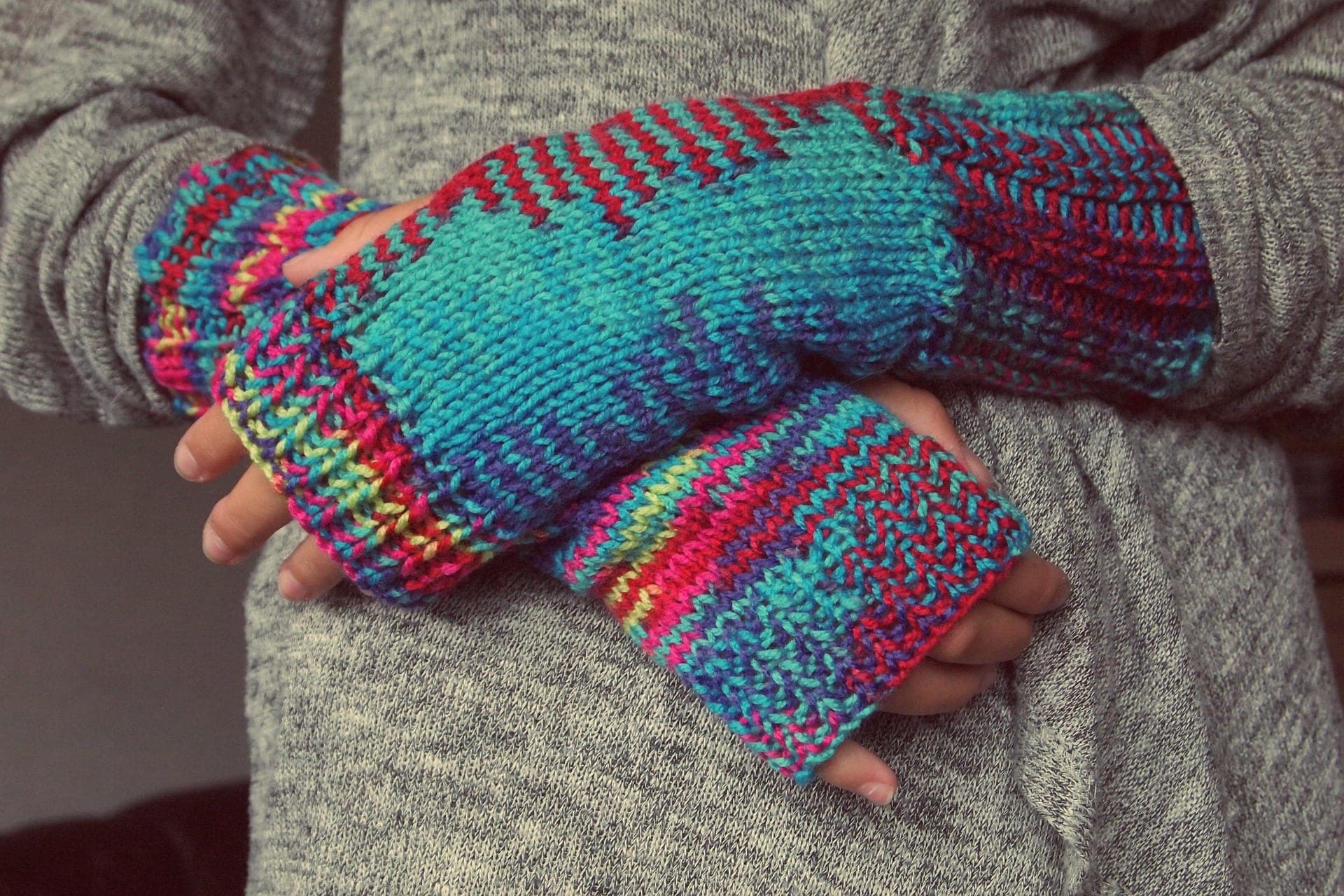
- 4.products of hand weaving, knitting, embroidery, walling, lacemaking, macramé, beading;
- 5.products made by artistic processing and painting of wood, stone, leather, bone, horn, metal, tin, glass, ceramics, plywood;
- 6.kitchen implements, toys, interior dolls, decorative panels, caskets, cigars, snuffboxes, ashtrays, piggy banks, candlesticks, details and decorations of furniture, keychains, keychambers, jewelry, bracelets, hair jewelry, combs, combs, decorative additions to clothing, figurines, vases, pots and cereals for flowers, turning figurines, easter eggs, souvenirs (including magnetic decorations);
- 7.national belarusian costume (its details) with the preservation of traditional cut and embroidery;
- 8.national musical instruments;
- 9.objects (their parts) of wire, twine, synthetic tape, tin, clay, plant materials of local origin, including wood;
- 10.art products of paper and papier-mache;
- 11.short-seed products;
- 12.traditional national fishing gear.
3. Making yarn.
4. Blacksmith business.
5. Art processing and painting of products made of wood, stone, bone, leather, horn, metal, tin, glass, ceramics, plywood provided by the consumer - that is, work with the material that was brought by the customer himself.
What is no longer a craft activity
The list fell sharply from October 1, 2024. From it disappeared many species that were previously considered craft, in particular: the manufacture of candles, soap, wedding accessories. If you are doing something that is not on the new list, you are not a craftsman in the legal sense. But that doesn't mean you can't work. Such activities can be classified as independent professional activities and can be paid for NAPs on a general basis.
Two tax regimes for artisans
From October 1, 2024, a craftsman can apply one of two modes:
Parameter
Craftsmanship
NAP
Bet
10 rubles per month (fixed)
10% of income (20% in excess of 60,000 rubles / year from white legal entities and individual entrepreneurs; 4% / 8% for recipients of labor pensions - respectively instead of 10% and 20%)
Dependence on income
It doesn't matter
Percentage of revenue
FPLN
Pay separately for all months of activity (recipients of labor pension are exempt)
Included in the rate (60% of the tax amount)
Checks
No need
It is necessary to form checks in the application "Tax on professional income"
Minimum payment
No (fixed amount)
45 rubles / month. from july 1, 2026 (18 rubles for pensioners)
Registration
Registration in the tax and application to the Executive Committee – wait for the decision of the Executive Committee
Through the mobile app
The fee rate of 10 rubles is valid from February 1, 2026 (for January 2026, 7 rubles were paid - at the same rate).
Who can pay the handicraft fee
Not everyone has the right to pay a fixed fee instead of the NAP. From October 1, 2024, this right is granted only to the following categories of persons:
- 1.people's masters (status is assigned in the prescribed manner);
- 2.participants of the NGO “Belarusian Union of Folk Artists”;
- 3.masters of folk crafts (handicrafts), working under an employment contract in a budget organization at least half of the norm of working time;
- 4.disabled persons of group I or II;
- 5.recipients of an employment pension by age or for seniority;
- 6.persons registered at the place of residence in a rural settlement with a number of up to 50 people and actually living there.
If there is at least one of these grounds and provided that the type of activity is included in the list, you need to apply to the local executive committee. If the Executive Committee makes a decision, the fee is applied. If there is no solution, the artisan is obliged to apply the NAP.
All others who deal with species from the list, but do not belong to preferential categories, are obliged to pay NAP.
How to Become a Craftsman Payer
If previously applied fee - to submit a notice of termination of craft activities in the Executive Committee.
- 1.Download the Professional Income Tax app (available from Google Play and the App Store).
- 2.Register in the application – this automatically notifies the tax authority.
- 3.Upon receipt of income - form a check in the application and transfer it to the buyer.
Registration is free. There are no separate reports - the application calculates the tax itself, and the payment is formed before the 22nd day of the month following the reporting one.
NAP rates in 2026
- 1.10% - from income from individuals (regardless of the amount) and from Belarusian legal entities / IP, if the annual income does not exceed 60,000 rubles.
- 2.20% - from income from Belarusian legal entities / individual entrepreneurs, exceeding 60 000 rubles per year; as well as when receiving income without forming a check or with untimely formation of a check (from January 1, 2026).
- 3.4% and 8% - preferential rates for recipients of an employment pension by age or for seniority (respectively instead of 10% and 20%).
Of the 10% rate of the NAP, 60% goes to the FSZN, 40% to the budget.
Important change: minimum payment of NAP from July 1, 2026
From July 1, 2026, the minimum monthly size of the NAP was introduced - 45 rubles. This means that the tax must be paid even if there is no income per month. For recipients of a labor pension, the minimum amount is 18 rubles, taking into account benefits for insurance premiums.
This is important to consider artisans at the NAP: if income is unstable and in some months they are not, the minimum payment will still have to be made. There is no such requirement for craft collection – the collection is fixed and does not depend on revenue.
Where Artists Can Sell Their Products
Craftsmen – both at the collection and at the NAP – have the most flexible sales conditions:
- 1.at fairs and trading places established by local authorities;
- 2.on leased areas in shopping facilities and shopping centers;
- 3.in premises used for the manufacture of goods;
- 4.mailing by post (including international);
- 5.delivery to the address specified by the consumer (by any mode of transport);
- 6.through advertising placed on the global computer network Internet;
- 7.transfer of goods to legal entities and individual entrepreneurs under contracts of commission, order or sale.
If the sale is automated through the site (basket, online payment acceptance), for individual entrepreneurs and legal entities, the online store must be registered with BelGIE and entered in the Trade Register. For artisans and payers of the NAP, Decree No. 60 does not directly apply, but in practice the tax authorities can pay attention to automated forms of sale - it is advisable to clarify your situation in the tax office.
What is forbidden to artisans
- 1.Attracting employees under labor or civil law contracts.
- 2.The resale of other people’s goods is realized only what is made by the craftsman himself.
- 3.Use of industrial machines and equipment – only manual labor and tools (machines without industrial use) are allowed.
- 4.Carrying out activities without registering with the tax authority and paying a fee or NAP - a fine of 20 to 50 basic values with possible confiscation of income (part 3 of Art. 13.3 of the Administrative Code).
Important nuances worth knowing about
Several rules that directly affect the choice of regime and the amount of tax, but are often overlooked on the first reading of the legislation:
- 1.The tax deduction of 2000 rubles is no longer valid. From January 1, 2026, the deduction for new payers of the NPD is canceled - the tax is charged from the first ruble of income. Previously, it was possible not to pay the NAP, while the total income did not exceed 2000 rubles, now this benefit is not available.
- 2.The rule of three defaults. If the payer of the NAP has not paid the tax three times in a row within the prescribed period, the tax authority shall terminate the application of this regime. You can return to the NAP no earlier than in 7 months.
- 3.Material restrictions. Craftsmen are prohibited from using elephant tusks and fangs, hippopotamus, walrus, narwhal, boar, rhino horn, animal teeth, as well as precious metals and stones.
- 4.The right to educate students. A craftsman can teach up to three students at a time for free.
Local executive committees may expand the list
The executive committees of the basic territorial level have the right to determine additional types of craft activities for a particular territory (district, region) - local crafts characteristic of this area. If you are doing something unique and traditional for your region, it is worth checking with the local executive committee whether your species is included in the local list.
Short checklist for artisan for October 2026
- 1.Check if your business is on the list.
- 2.Determine whether you belong to the category that is entitled to pay the fee. If yes, submit a statement to the Executive Committee.
- 3.If the fee is not available – register in the application “Tax on professional income” and form checks at each receipt of income.
- 4.Remember the minimum payment of 45 rubles / month. - even without income.
- 5.Do not hire employees or resell other people’s goods.
- 6.Take into account the contributions to the FSZN: when the NAP they are included in the rate automatically; when collecting - paid separately for all months of activity (recipients of labor pension are exempt).
- 7.If you sell through an automated online store, check with the tax office whether registration of the site in BelGIE is required for your situation.
Read also:
- 1.Uniform property tax in Belarus 2026: how to check the amount payable for an apartment, cottage and car
- 2.Transport tax in Belarus 2026: who is entitled to a 50% discount and how to pay through ERIP
Photo: pixabay, used for illustration


