
Folk signs: what not to do Volgograd on November 16, on Anna Cold
On November 16, the Orthodox Church remembers Holy Princess Anna Vsevolodovna, the abbess of St. Andrew’s Monastery. The day is known as Anna Cold: it was considered the boundary between autumn and winter, from which the cold began and the first signs of snow appeared
On this day, peasants focused on household chores - insulated housing, engaged in needlework. The hostess prepared berry pies, porridge, jelly and compotes: treats were shared with neighbors and those in need to attract prosperity. In some places, candles were lit at the entrance - so the ritual of "causing heat" was performed.
The day was associated with purification: they tried to forgive offenses and reconcile, avoided complaints and despondency - it was believed that bad thoughts acquire the power of a curse. It was forbidden to go on a long road, start new business (“they freeze”), quarrel, slander or remain indifferent to someone else’s trouble. To throw away food, especially bread, was impossible - it threatened hunger in winter.
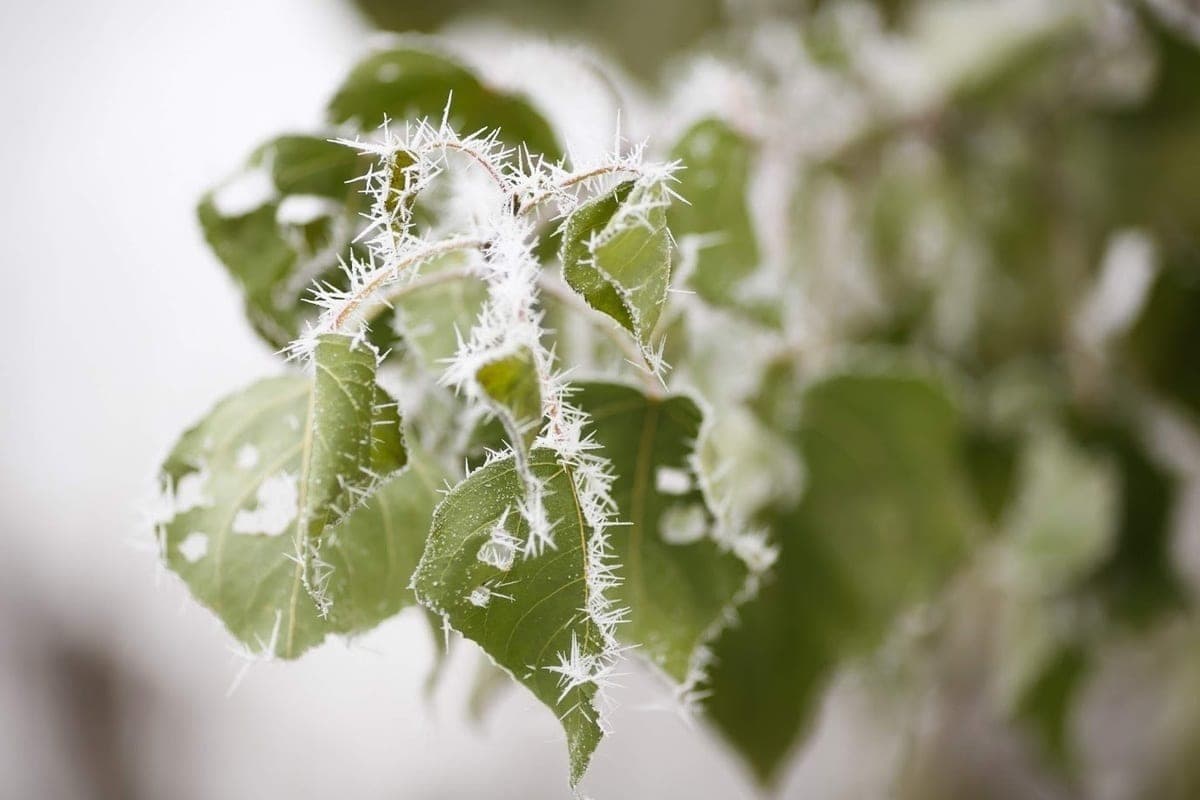
According to signs, they judged winter and harvest: snow on November 16 foreshadowed a fertile year, and its absence - a crop failure (Anna without snow - do not wait for bread). Clear weather promised frosty and dry winter, frost on the branches - heavy snowfalls.


