
Speech disturbance, weakness in the arm or leg, skewed face: at the first signs of a stroke, urgently call an ambulance
Stroke is rapidly getting younger. If a few years ago, this disease was associated mainly with the elderly, now doctors are increasingly ...
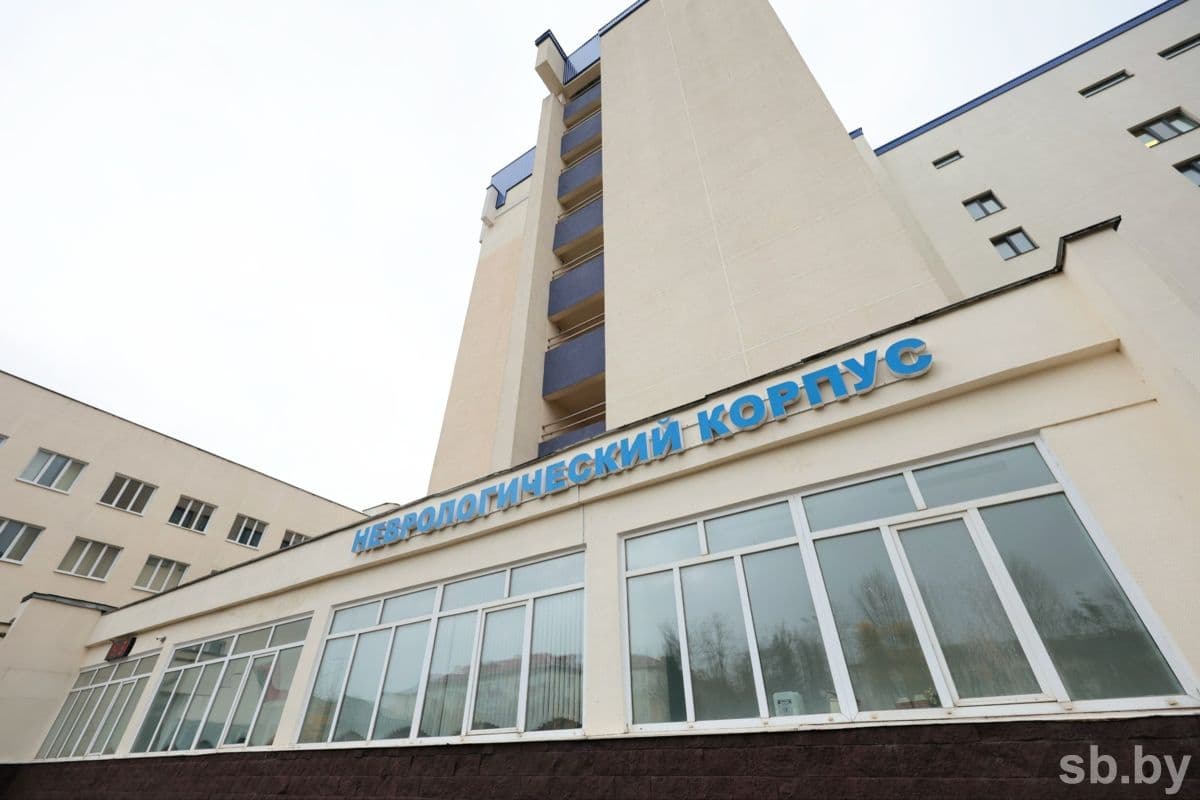
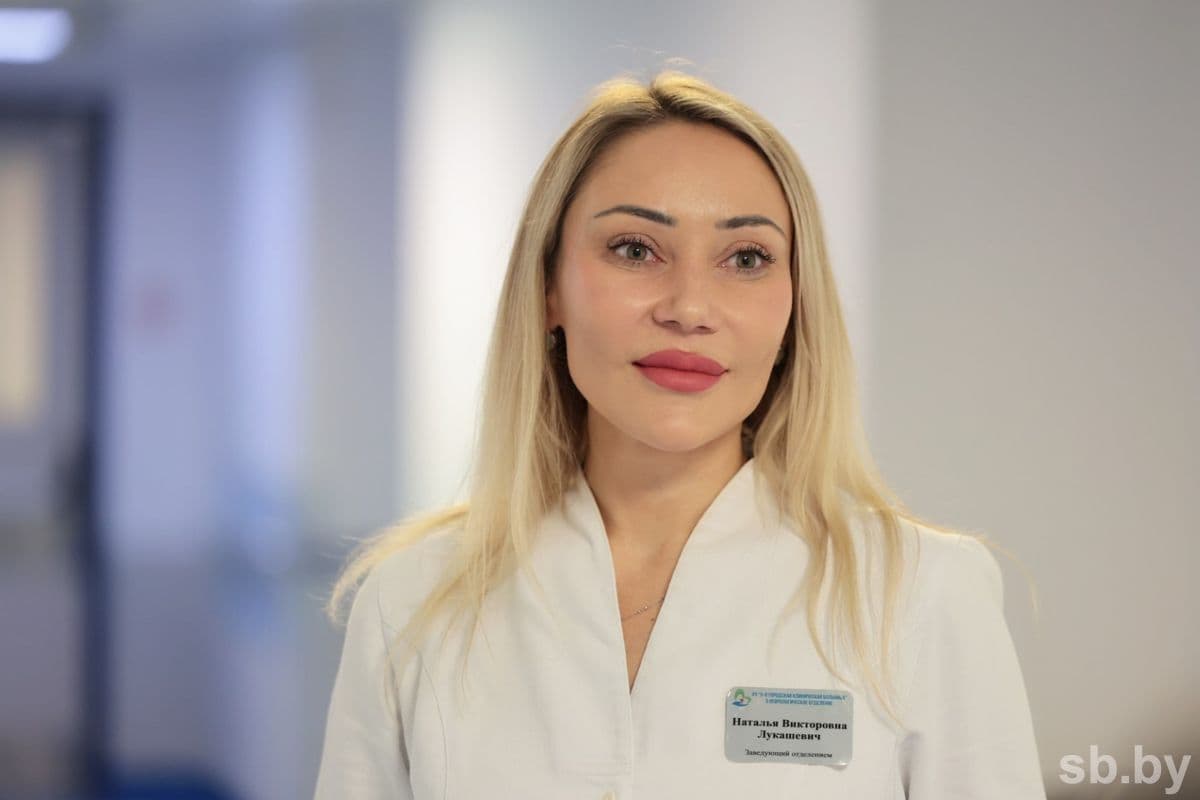
Stroke is rapidly getting younger. If a few years ago this disease was associated mainly with the elderly, now doctors are increasingly faced with young patients. This was announced during the press tour “Price of the minute”: technologies for the rescue and rehabilitation of stroke patients on the example of the work of the departments of the 5th city clinical hospital,” said the head of the 3rd neurological department of the 5th city clinical hospital of Minsk, the chief freelance neurologist of the health Committee of the Minsk City Executive Committee Natalia Lukashevich.
- The youngest stroke patient last year was an 18-year-old woman. The cause of the disease was thrombosis associated with taking oral contraceptives. At the same time, there are many risk factors at a young age: hereditary coagulopathies, infectious diseases, taking certain drugs, prohibited substances. Modern diagnostic capabilities allow us to identify the true cause of a vascular accident and select targeted prevention. However, the main risk factors are still arterial hypertension, atherosclerosis, diabetes and other chronic diseases.
Prevention in many cases depends on the patient. People with high blood pressure need to regularly take antihypertensive drugs, follow the recommendations of specialists and not stop treatment on their own. This also applies to drugs that prevent thrombosis and slow the progression of systemic atherosclerosis. It is the unauthorized cancellation of therapy that often becomes one of the causes of repeated strokes.
- In recent years, the possibilities of helping patients with acute cerebral circulation disorders have significantly expanded, Natalia Lukashevich emphasized. However, the key condition for successful treatment is the timely delivery of the patient to the hospital. The earlier a person gets to a specialized center, the more chances to restore blood flow and minimize the consequences of the disease.
During the therapeutic window, which is from 4.5 to 6 hours, doctors can conduct thrombolytic therapy and dissolve the clot medically. If a large vessel is blocked, the patient undergoes mechanical thromboextraction. Such methods can quickly restore blood supply to the brain, reduce the severity of neurological disorders and reduce the risk of disability. The main goal of treatment is not only to save life, but also to preserve its quality through the earliest possible restoration of lost functions.
- The development of a stroke may be evidenced by a sudden violation of speech, weakness in the arm or leg, skewed face, said Natalia Lukashevich. Despite the fact that people’s awareness is gradually growing, we believe it is necessary to expand social advertising and preventive work so that as many patients as possible seek help within the therapeutic window. The results are already visible. If three years ago, about 25 percent of patients were delivered during this period, and the restoration of blood flow was possible only in about 20 percent of cases, now modern methods of reperfusion therapy are used in almost 30 percent of patients with brain infarction.
The stroke care system in the capital is designed to reduce the time before treatment. After calling an ambulance and the appearance of suspicion of a stroke, information is promptly transferred to the hospital. The patient in the reception department is met by a multidisciplinary team of specialists, computed tomography is performed, after which the consultation decides on thrombolysis or mechanical removal of the clot. After thromboextraction, the patient is monitored in the anesthesiology and intensive care unit, where intensive therapy and condition control are carried out. Then the necessary examinations are performed and a secondary prevention program is selected.
- One of the modern areas of work of the neurological service is the prevention of repeated strokes already during the first hospitalization, Natalia Lukashevich said. If the patient has critical vascular stenosis, we perform stenting without delaying the intervention until a later date. This approach can significantly reduce the likelihood of repeated violation of cerebral circulation and increase the effectiveness of further rehabilitation. Thrombolysis, thromboextraction and even stem cells: how to save patients with stroke in the 5th hospital of Minsk Photo on the announcement: archive "SB"


