
Named a simple way to recognize lies by voice
Secret Service Agent Reveals How To Tell If Someone Is Lying To You Just By Listening To Their Voice
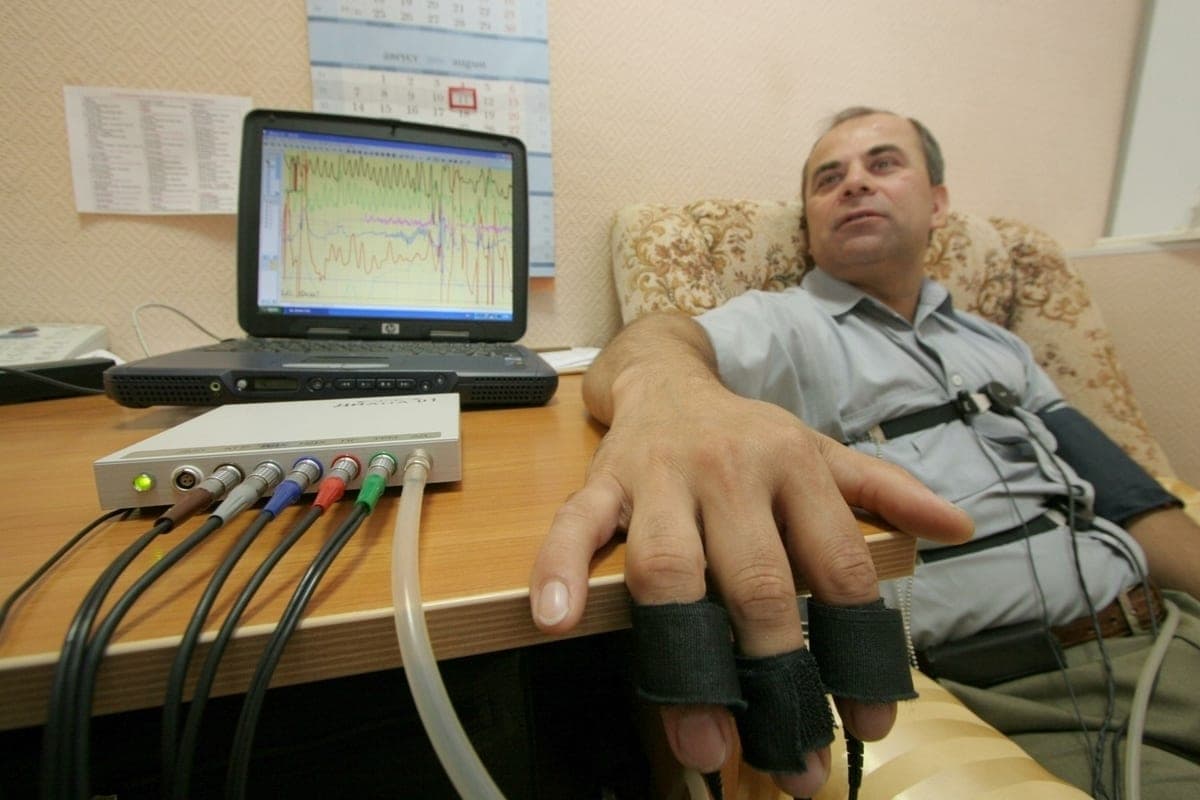
Brad Beeler, an expert in interviews, interrogations and lie detector tests, argues that deception is easier to detect by focusing on wording and reporting information than by looking for clues in body language.
Beeler explained that the truth should fly off the tongue smoothly, like film. The speaker must be able to rewind it, fast-forward, and re-enable the playback in a natural way - which doesn't happen when the story is made up. “The problem is that in a fictional story, people find it difficult to rewind time back, thinking about what the smells were, what their feelings were, because it’s an artificial situation,” Beeler said.
He also came up with a simple system that can recognize red flags in someone’s story, and which got the good name LIARS (Liars). Red flags include delay (a long pause before answering), inconsistency when words don't match someone's tone or body language, and avoidance when someone evades answering a real question with words like "usually.".
The final stages in Beeler's system are "resistance," where the liar takes offense and translates the question back to you, and a change in tone of voice, where the tone of the answer rises and sounds almost like a question, such as "Yes?"
He also debunked several myths about lying, saying body language is actually a poor way of weeding out false claims, and noting that liars are often better at maintaining eye contact than truth-telling people.
Beeler’s skills have been honed over 25 years of federal investigations, credibility assessments, investigative interviews and operations to protect former US President George H.W. Bush.
He spent nearly 17 years as a polygraph examiner, conducting more criminal polygraph tests than any other agent in the history of the Secret Service.
Based on his experience arresting crime suspects, Beeler said people are quick to tell you the truth if you don't give the impression that you appreciate their answers, even if they just committed a serious crime. “I would just take the time to listen to people. And that's when I realized that if you let people teach you and don't judge them, they'll tell you everything. Okay. They really will, he said in an interview with LADbible magazine.
Despite his record-breaking experience with lie detectors, Beeler said the polygraph doesn't actually recognize lies. Instead, detectors measure stress by paying attention to factors such as a person’s heart rate, breathing, sweating and blood flow.
Brad Beeler said some think they can bypass a lie detector by changing their body's response, but he added that polygraphologists are trained to understand what normal and abnormal readings look like.
He said claims that a polygraph is just a coin toss, or that it’s perfect, were wrong and called it “a stunning tool.”.
According to Beeler, the strongest and fastest signal that someone is lying is the "liar's soundtrack." He noticed someone saying a belated or piercing "no" or shaking their head inappropriately in response to their words. Beeler added that clear, black-and-white questions should be given clear and quick answers, not soft ones.


