
“November and December will break all twenty-first-century scenarios.” Forecasters said what to prepare for
Sharp temperature changes, abnormal thaws and early frosts. We analyze a detailed forecast by region and explain how climate anomalies will affect infrastructure and health.
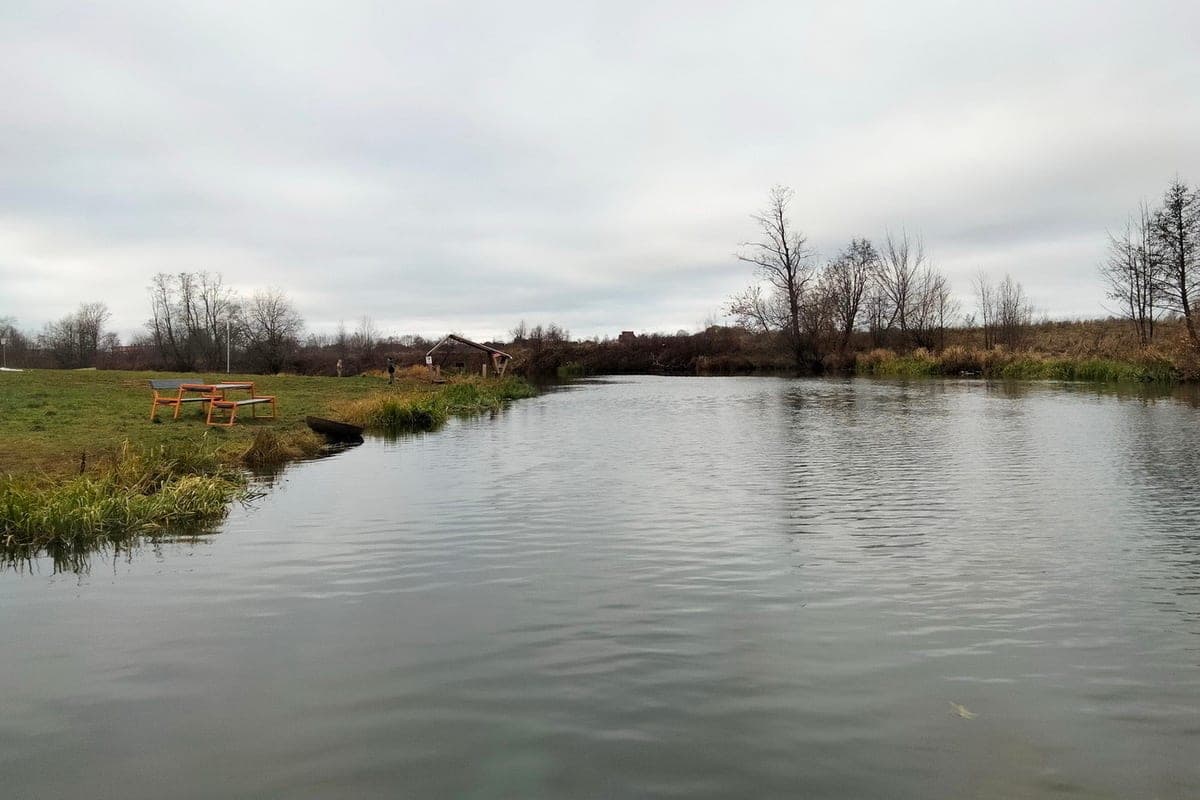
The end of 2026 promises to be one of the most meteorologically unstable periods in Russia’s recent history. According to climatologists, the usual smooth change of seasons is a thing of the past: it is replaced by a chaotic alternation of abnormal warming and sharp frosts.
The reason lies in the global restructuring of atmospheric circulation. Warm southern and icy Arctic air masses now collide much more intensely, creating unpredictable weather swings in several climatic zones at once.
Central Russia will meet November with prolonged rains at a temperature of +3 ... +7 ° C. By the middle of the month, night frosts up to -5 ° C and wet snow are expected in the suburbs, which will melt quickly during periods of short-term warming.
In the North-West (St. Petersburg and the Leningrad region), a squally wind of up to 20 m / s with prolonged precipitation passing from rain to snow will be established. In Karelia and the Murmansk region, snow cover will lie earlier than the usual multi-year periods.
The last month of the year will be a month of extremes. Siberia and the Urals will plunge into real frosts to -30 ° C, while the European part of the country can survive December with plus temperatures (+2 ... + 5 ° C), which is completely atypical for the height of winter.
In the Far East, early December will be held according to the autumn scenario: in Primorye and the Khabarovsk Territory, rains with wet snow are expected. Vladivostok is at risk of massive icing of roads due to temperature jumps from +3 ° C to -10 ° C.
South (Krasnodar Krai, Rostov region) will retain heat up to +15 ° C, but will suffer from thick fogs and showers. Serious cold snap will come there only at the end of the month, and in the Caucasus heavy snowfalls will multiply the risk of avalanches.
Such climate swings are not just numbers in the forecast. Sharp changes in pressure and temperature are extremely dangerous for people with cardiovascular and respiratory diseases. Utilities and road services will be forced to work non-stop, struggling with ice and the consequences of sudden thaws.
Source


