
Autumn hit in the kitchen: how pumpkin is useful for the body
Pumpkin is not only a bright symbol of autumn, but also a source of vitamins, minerals and antioxidants
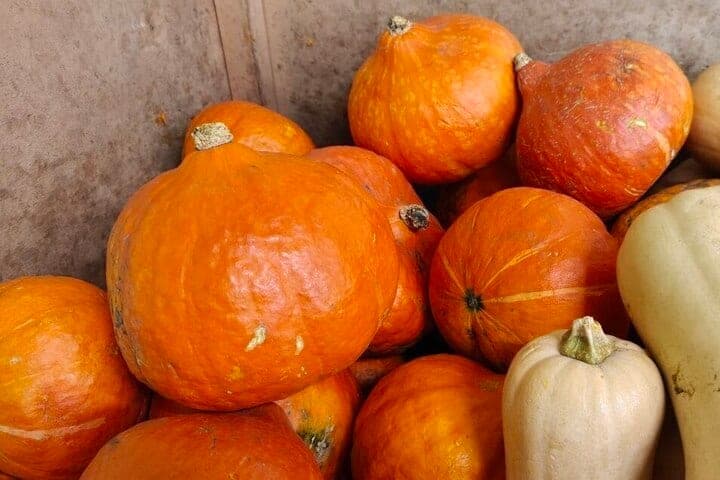
Pumpkin is not only a bright symbol of autumn, but also a source of vitamins, minerals and antioxidants. Its pulp is suitable for making soups, cereals, casseroles and desserts, and seeds can supplement the daily diet with nutrients.
The benefits of pumpkins and hygiene rules in the preparation of dishes reminded the management of Rospotrebnadzor in the Kaliningrad region.
The pumpkin contains beta-carotene, which the body converts into vitamin A. It is necessary to maintain normal vision and skin health.
Potassium helps maintain water-salt balance and normal muscle function, including the heart. The pumpkin also has antioxidants that protect cells from damage. Some plant compounds can affect cholesterol levels, but pumpkin itself is not a substitute for treatment and a balanced diet.
Pumpkin seeds contain zinc and magnesium. Zinc is involved in the immune system, and magnesium is necessary for the normal functioning of muscles and the nervous system, including to maintain a heart rate.
Seeds can be added to cereals, salads and other dishes. At the same time, it is important to observe moderation: they are quite high in calories.
Before cooking, hands should be thoroughly washed with soap. For raw and finished products, it is better to use separate cutting boards and knives to prevent cross-contamination.
It is also important to comply with the shelf life of the products and storage conditions indicated on the packaging. Ready meals should not be left at room temperature for a long time: they should be cleaned in the refrigerator in a timely manner.


