
2 to 38: How Russia’s Neonatal Screening Program Expanded in 30 Years
Russia’s neonatal screening program, which now includes 38 genetic diseases, will continue to expand
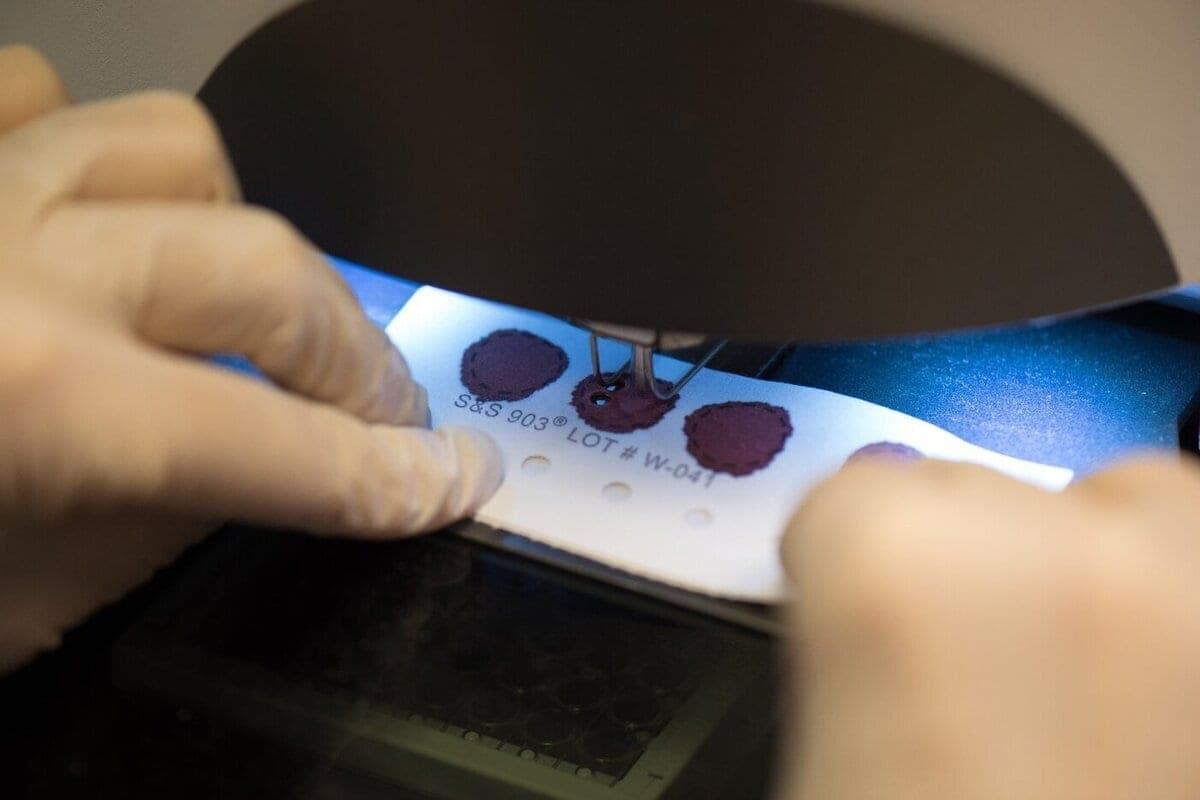
In 1993, mass neonatal screening was introduced in Russia: all infants were tested for congenital hypothyroidism and phenylketonuria. Thirteen years later, in 2006, the list of diseases expanded to five. By 2023, the program covered 36 diseases. In 2026, two more diseases were added to the list, and now it includes 38 diseases. Among them are hereditary metabolic diseases, primary immunodeficiencies, spinal muscle atrophy, X-linked adrenoleukodystrophy and decarboxylase deficiency of aromatic amino acids.
Today, 98% of newborns undergo such examinations – that is, more than 1.2 million babies. On average, two new cases of hereditary or congenital pathology are detected daily. And the list of pathologies that can be detected immediately after birth is expanding - next year Duchenne myodystrophy will fall into it. On the queue for inclusion in 2028 - lysosomal accumulation diseases. As explained by the Director of the Department of medical care for children, obstetrics and public health of the Ministry of health of Russia Rafael Shavaliev, this group includes Pompe disease, mucopolysaccharidosis type I, Gaucher disease, Niemann-Pick disease type A / B and Krabbe disease. Today, domestic test systems are being developed for their screening. Experts note that neonatal screening for lysosomal accumulation diseases can detect the disease before symptoms appear, which is especially important, since treatments have already been developed for many congenital pathologies.
According to the chief doctor of the FSBNU “MGNTs”, the chief freelance specialist in medical genetics of the Ministry of Health of Russia in the Far Eastern Federal District Sergey Voronin, after the introduction of expanded neonatal screening in the country, congenital and hereditary diseases were found in more than 2.5 thousand children and in most cases they were prescribed therapy. Unfortunately, all these diseases still remain in the status of incurable, but the developed treatment regimens help, if not to control the disease completely, then to delay the onset of severe complications as much as possible. As a result, many children can lead a full life, no different from the lives of their peers. And the earlier the disease is detected and treatment is prescribed, the higher the chances of preventing the disease from unfolding.
According to Professor Svetlana Mikhailova, head of the neuropsychiatric department for children with congenital and hereditary genetic pathology of the Russian Children’s Clinical Hospital of the Ministry of Health, the early detection of hereditary pathologies creates a window of opportunity for the earliest possible appointment of therapy to those patients for whom the diagnosis itself was a sentence: “One can cite the example of neuronal ceroid lipofuscinosis type II – a disease in which from the first symptoms to the loss of basic functions, such as the ability to walk, talk and hold the head, takes only about a year.” And already at the age of 2-4 years, the child becomes a bedridden patient with frequent epileptic attacks. Therefore, it is extremely important to diagnose the disease at an early stage, before significant neuronal damage. In addition, mucopolysaccharidosis types II and III A have now become controlled pathologies, for which pathogenetic therapy has recently been developed.”.
The patient community noted that, despite the importance of screening, parents are still poorly informed about the diseases that are included in it, do not always understand what a positive result means, do not know when and why a confirmatory examination is required.


