
Why ducks and geese don't fly south from cities
With the arrival of cold urban water bodies are not completely empty
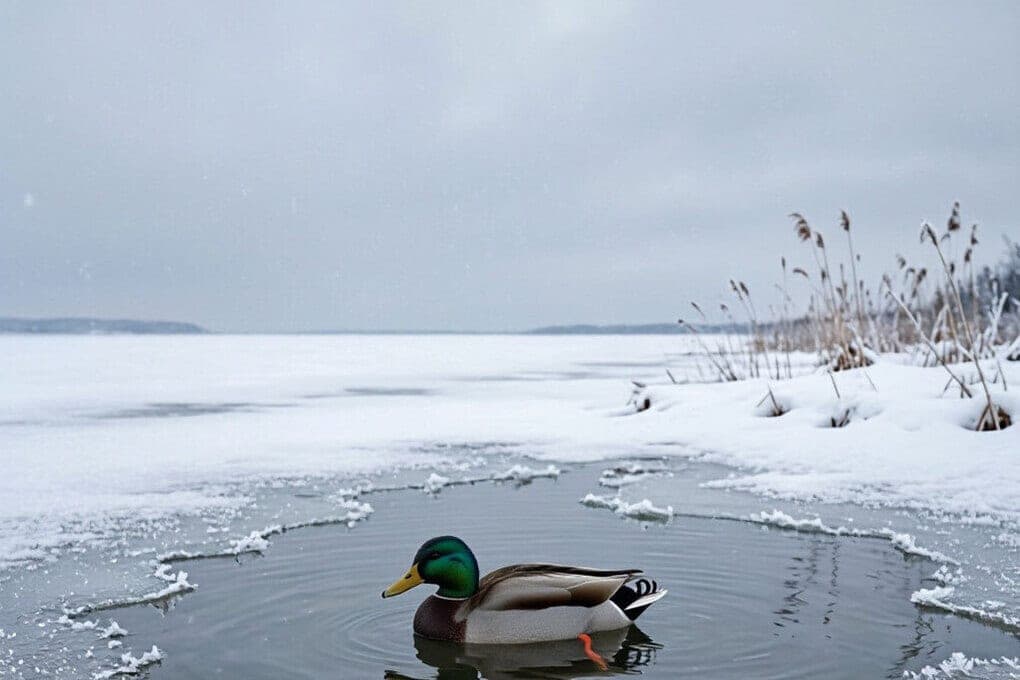
Why birds don't fly away
Healthy waterfowl is well adapted to frost. Fat reserves, dense plumage and a special system of thermoregulation in the paws allow them to survive low temperatures without much difficulty. Urban water bodies, where there is a current or discharge of warm water, remain open even in severe frosts, and food waste makes the life of birds relatively full. As a result, ducks and gulls simply do not see the point of making an energy-consuming flight.
When help is justified
Feeding birds is only in exceptional cases: with a sharp cooling to -15 ° C and below, in places of mass accumulation of birds, and also if the bird has obvious signs of injury or it is weakened. The rest of the time, birds are able to find food on their own.
A special warning applies to attempts to save birds that have frozen on the ice or covered with ice crust. As a rule, this is a sign of serious injury, and independent intervention can lead to the death of the animal. In such situations, it is necessary to contact specialists.
What to feed and what not to feed
If help is needed, it is important to follow the rules. Birds can be given specialized feed, grain mixtures (oats, barley, wheat, barley), boiled or steamed vegetables (carrots, squash, pumpkin), low-fat cottage cheese and dried gammarus.
Fried, salted, peppered and smoked products, rye and fresh white bread, muffin, millet, as well as spoiled and moldy food are strictly prohibited.
How to feed properly
Food should be placed on specially designated areas on the shore or at the very edge of the water - you can not throw it into the water, this pollutes the reservoir. It is better to feed regularly, but in small portions, optimally - in the morning or 2-3 hours before dark. Overfeeding harms the health of birds and pollutes water. Feeders should be installed in quiet places, inaccessible to cats, but next to bushes or trees, and regularly cleaned of old food and litter, so as not to spread diseases.
What not to do
Experts do not recommend feeding birds at plus temperature and the absence of thick ice, creating mass “feed zones” and trying to save frozen birds on their own. In case of any doubts in the state of the bird, it is better not to touch it, but to contact specialists - they will assess the situation and give the right recommendations.
Thus, taking care of wintering birds is not about the amount of bread thrown away, but about a reasonable and cautious approach. A healthy bird will survive the winter itself, and a person should intervene only when help is really needed.


