
Assistant commander, but not a replacement. Representative of the Military Academy of Belarus - about AI in the army
About how artificial intelligence is used in the Armed Forces of Belarus and why the decision on the use of weapons should remain for a person on the air.
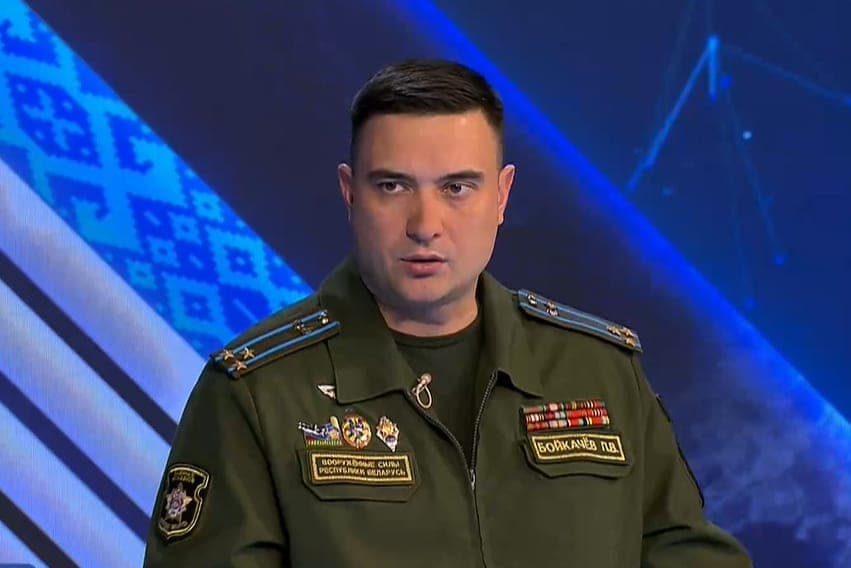
About how artificial intelligence is used in the Armed Forces of Belarus and why the decision to use weapons should remain for a person, the head of the Department of Tactics and Armaments of Radiotechnical Troops of the Faculty of Air Defense of the Military Academy of Belarus, Doctor of Technical Sciences Pavel Boykachev told sb.by.
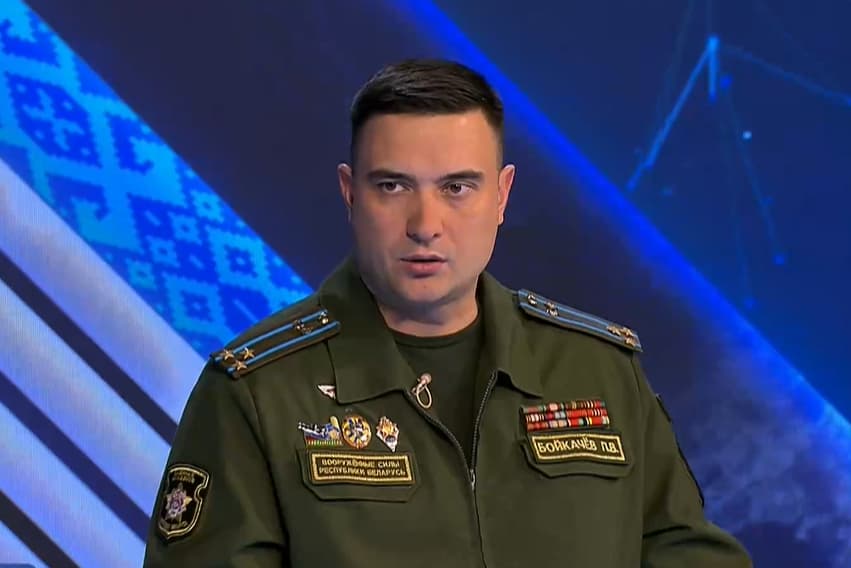
The guest noted that the decision to use weapons should be made by a person, not by AI:
- The activities of the Armed Forces are somehow related to the use of weapons. Giving it away to artificial intelligence is a crime at least.
According to Pavel Boykachev, artificial intelligence is used very intensively in the Armed Forces:
- Assistance to the commander in making decisions, training cadets in the Military Academy, modeling of certain situations. But the use of weapons, the decision to use them using artificial intelligence is unacceptable. This should be left to natural intelligence.
A military academy spokesman explained why it is increasingly difficult for a commander to make decisions without AI support:
- The intensive information field does not fit into the stationary intervals in which the commander makes a decision. These intervals have become so small that the commander simply will not have time to make a decision. He will not even feel that such a decision has to be made. Artificial intelligence comes to the rescue. But designing, synthesizing, and implementing such systems to make commander decisions is the job of military scientists, who themselves create artificial intelligence that we can trust.
Pavel Boykachev told who in our country is engaged in such developments:
Military Academy, Research Institute of the Armed Forces, certain schools that are directly engaged in the implementation of such programs. The successes are good: systems are already being introduced into the Armed Forces, and some are becoming supply.


