
Representatives of the veterinary services of the CIS member states discuss topical problems of the industry in Minsk
Epizootic well-being and biological safety are directly related to agro-industrial sustainability and food security.

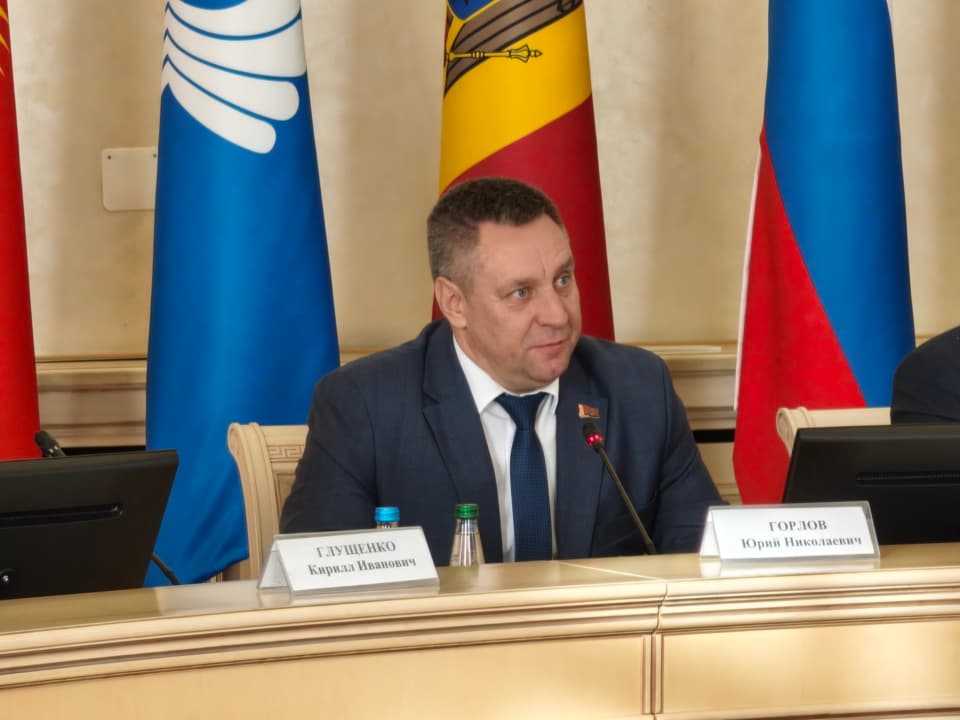
Epizootic well-being and biological safety are directly related to the sustainability of the agro-industrial complex and food security of states. This was stated by the Minister of Agriculture and Food of Belarus Yuri Gorlov in Minsk at the opening of the meeting of the Intergovernmental Council for cooperation in the field of veterinary medicine of the CIS member states, during which representatives of veterinary services discuss the epizootic situation, the prevention of particularly dangerous animal diseases and further cooperation in this area.

- It requires continuous work, systematic monitoring and, most importantly, coordinated international action. Transboundary animal diseases and the emergence of new pathogens give special relevance to the topic. They are not confined to national borders, so countries need to share information quickly, agree on preventive measures and draw on common experiences.
Yuri Gorlov added that biological safety remains an important part of cooperation. This is not only about animal protection, but also about human health, the safety of animal products and the stability of the food market.
According to Mikhail Myskin, Director of the Department of Economic Cooperation of the CIS Executive Committee, over the years of work of the Intergovernmental Council, the necessary base for interaction between states has been formed. The Commonwealth countries coordinate measures to prevent infectious diseases, exchange experience and biological materials.
Among the tasks facing veterinary services are maintaining a stable epizootic situation, improving the training of specialists, developing science and implementing its results in practice.

Work continues within the framework of the EAEU. As Alexander Subbotin, member of the Board (Minister) for Technical Regulation of the EEC, noted, one of the priority areas is the creation of a reliable system to counter transboundary infections. It is also necessary to bring together approaches to quality control of products and medicines and to more actively combine the scientific potential of countries.
The EAEU already has uniform veterinary rules for the prevention and control of foot and mouth disease. Similar documents on African swine fever are being prepared. In addition, uniform veterinary requirements for goods subject to veterinary control are updated.

The meeting participants also discuss the epizootic situation not only in the CIS countries, but also in Europe and the world. According to Deputy Minister of Agriculture and Food, Director of the Department of Veterinary and Food Supervision Ivan Smilgin, specialists will exchange experience in the prevention and elimination of especially dangerous diseases.
Commonwealth countries already have comprehensive plans to prevent diseases such as foot-and-mouth disease, avian influenza and brucellosis. Veterinary services and scientific institutions are involved in their implementation.
Following the meeting, the parties intend to identify further areas of cooperation and develop solutions that will increase the effectiveness of joint measures to ensure epizootic well-being.
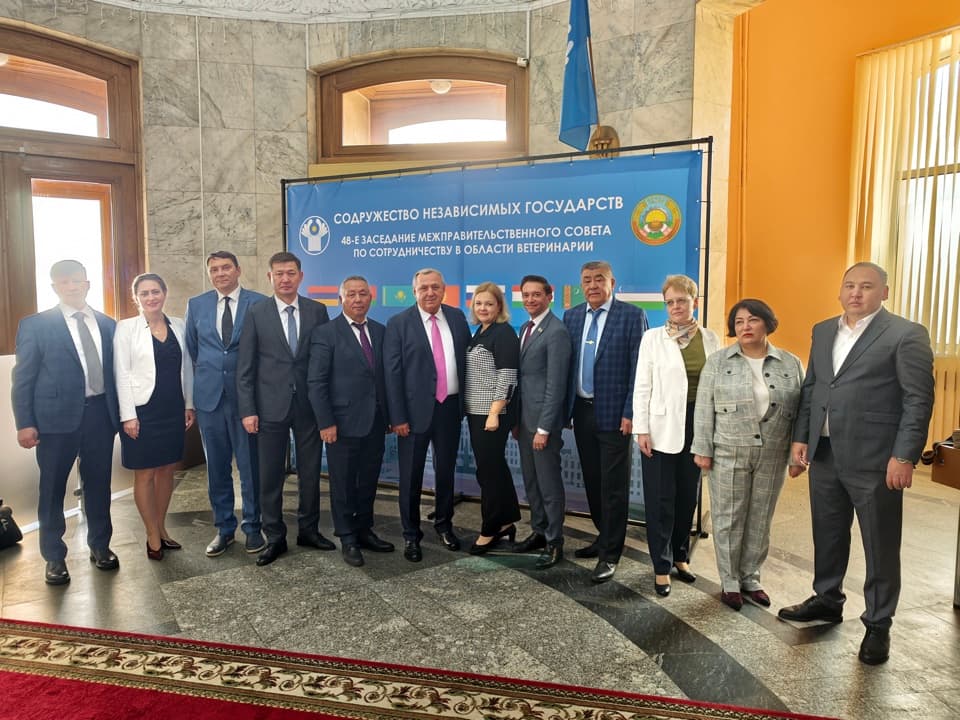
Photo from the press service of the Ministry of Agriculture.


