
Russians are advised to make a supply of water, food and medicine: what is the reason
"It's not paranoia, it's household literacy": why experts advise building a supply of water, food and medicine at home.
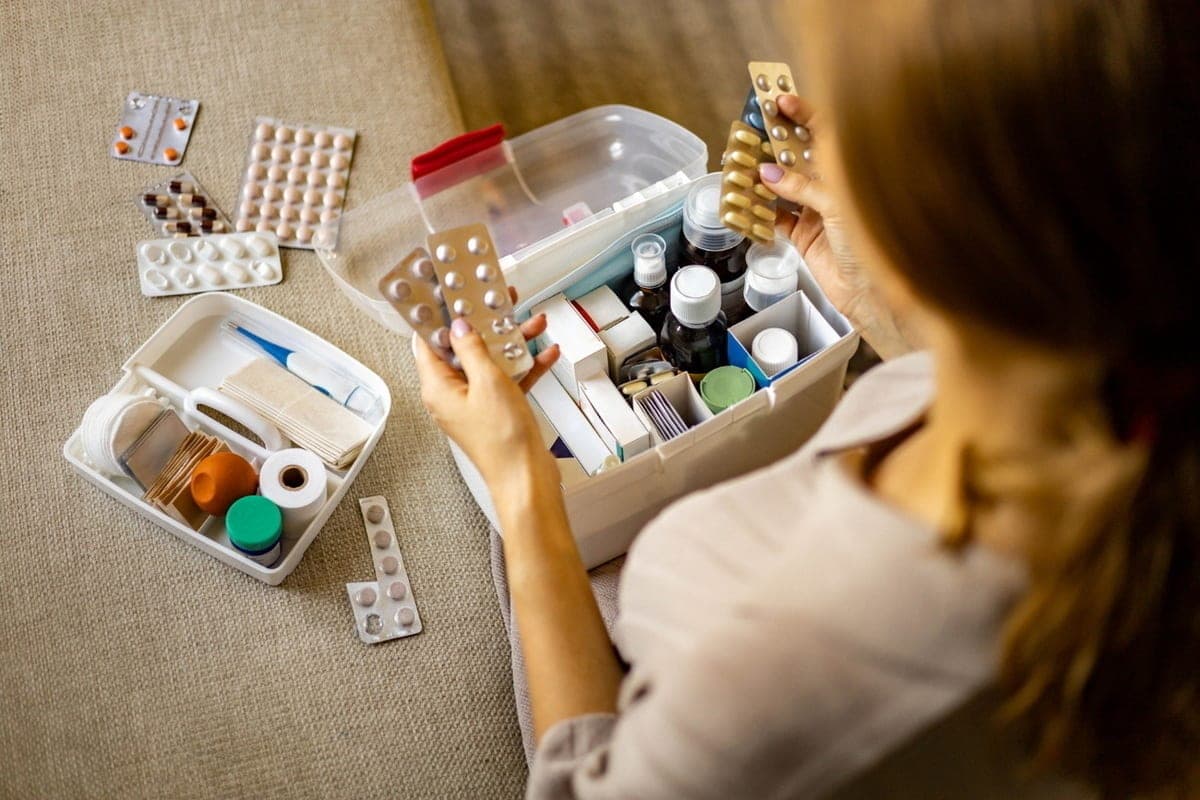
Even in the largest metropolises, no one is immune from force majeure. A sudden accident on the heating line or a strong hurricane can turn off the block and turn off the water supply for several days. Civil defense experts, including expert Viktor Lebedev, warn that emergencies develop instantly. Shopping when a problem has already happened is the worst strategy. Having a minimum reserve for 3-4 days at home is a basic literacy skill that will keep your nerves at bay while city services fix the breakdown.
Doctors place a strict emphasis on medication. Therapist Elena Gromova emphasizes: for people with chronic diseases, a two-week supply of vital drugs is mandatory. Any disruption in logistics can be critical. In addition to prescription drugs, the house should always lie antipyretic, analgesic, antihistamines and basic dressings. Useful habit: once every six months to check the expiration date.
It is not necessary to turn the apartment into a canned warehouse for a decade. It is much wiser to use the rotation method. Keep on hand bottled water and familiar products with a long shelf life: cereals, pasta, stew, tea. Have you eaten a pack of buckwheat or a can of vegetables? Add the same to your next shopping list. So the supplies will always be fresh, and the family budget will not suffer.
The essence of the recommendations is very simple: it is not about preparing for a global catastrophe. This is the creation of a practical and inexpensive “buffer” in case of ordinary household troubles, which will allow you to wait out the accident in comfort.
Source


