
Russians are advised to make a supply of water, food and medicine: what is the reason
How to properly build a “strategic reserve” for a few days without turning an apartment into a bunker, and what drugs should be on hand for each family.
Even in the most developed metropolises, we are not immune to sudden disruptions. An ice storm, a major heating accident or a hurricane can de-energize an entire area, leaving residents without electricity, heat and water for several days.
Civil defense expert Viktor Lebedev recalls that emergencies develop instantly. When the problem has already happened, running to the store is pointless. The minimum home reserve, designed for 3-4 days of autonomous life, is not a sign of alarmism, but basic everyday wisdom. Such a stock will allow you to calmly wait out the accident while others in a hurry sweep the shelves of supermarkets.
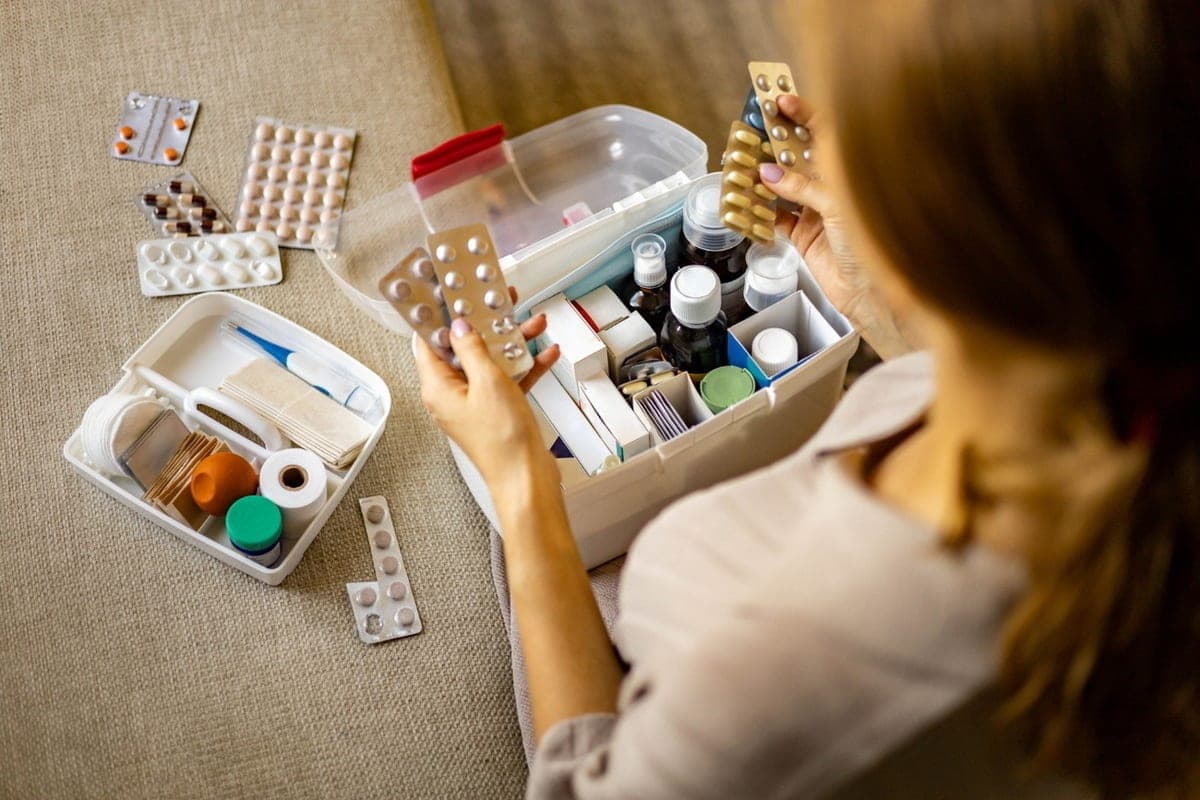
Special attention - first aid kit
General practitioner Elena Gromova emphasizes: for people with chronic diseases, a two-week supply of vital drugs is a matter of safety, not just comfort. Any disruption in logistics can be critical. In addition to prescription drugs, at home should always lie antipyretics, painkillers, antihistamines and basic dressings. The Golden Rule: Check expiration dates at least twice a year.
Food and water: the principle of rotation
No one wants to build an underground bunker. The rational approach is based on the principle of rotation. Keep on hand bottled water and the usual products of long-term storage: cereals, pasta, stew, tea. Have you eaten a can of canned food or a pack of buckwheat? Buy a new one on your next visit to the store. So the supplies will always be fresh, and the family budget will not suffer.
The essence of these recommendations is very simple: it is not about preparing for a global apocalypse. This is the creation of a practical “security buffer” in case of ordinary household troubles. An inexpensive and affordable way to keep your nerves and comfort in any unexpected situation.
Source


