
In RSPC traumatology and orthopedics master new high-tech techniques for various diagnoses
Specialists of the RSPC of traumatology and orthopedics presented new high-precision methods of surgery: at seminars with the participation of colleagues from Russia and Switzerland, they conducted a study.
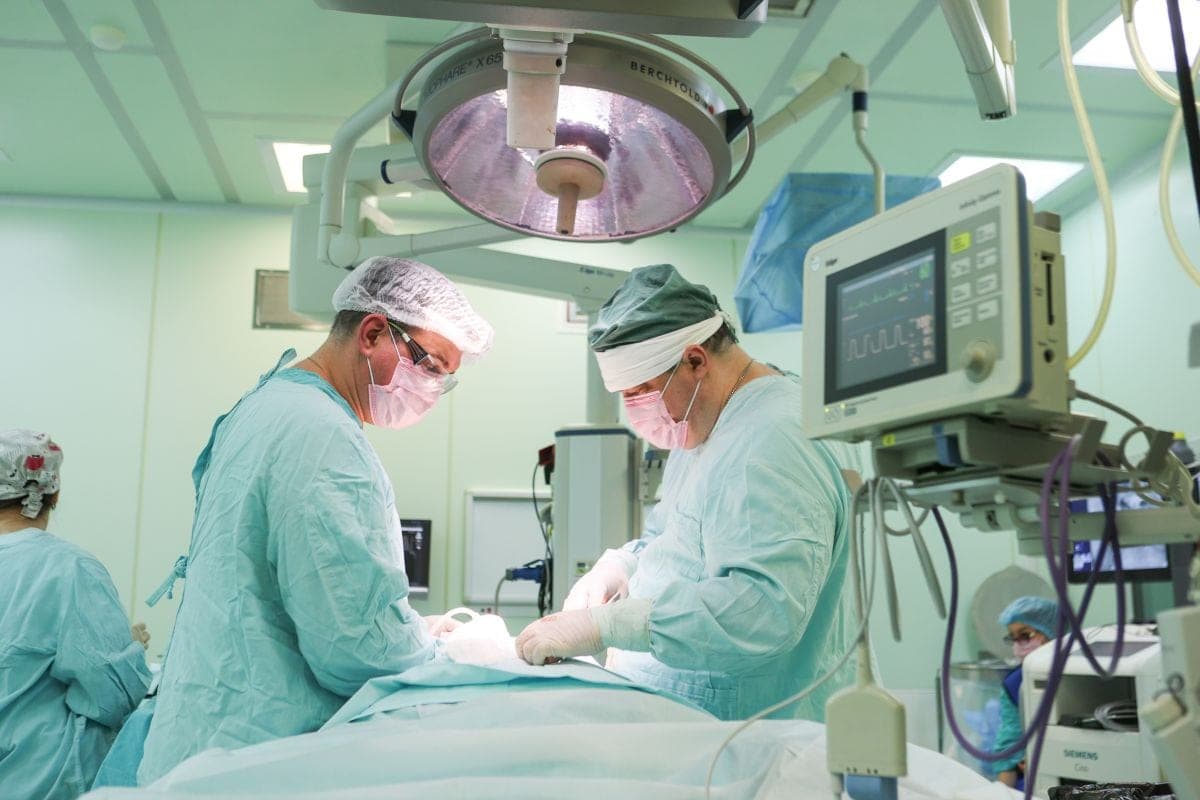
Specialists of the Russian Research Center for Traumatology and Orthopedics presented new high-precision surgical techniques: at seminars with the participation of colleagues from Russia and Switzerland, individual endoprosthetics and surgery were performed for severe bone fragility. The introduction of unique approaches expands the possibilities of patient care and strengthens the professional potential of Belarusian clinics.
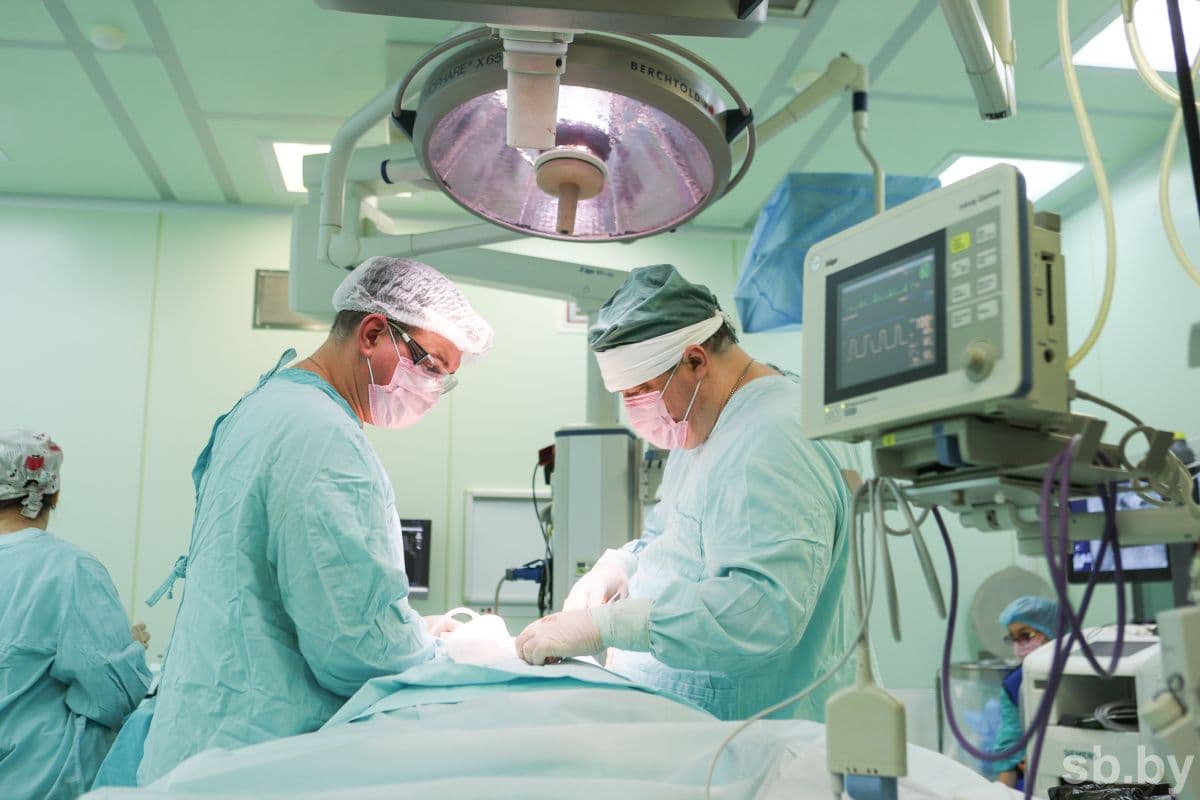
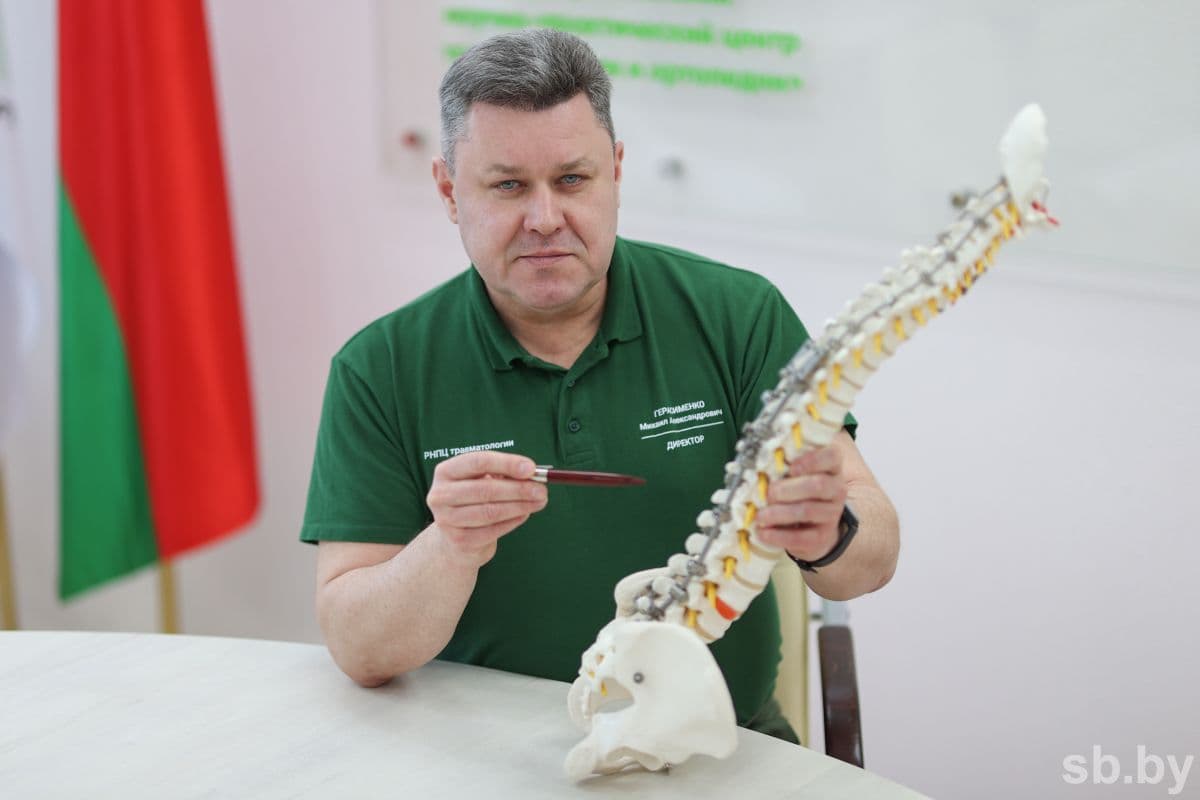
The main event of the seminar “Modern approaches to endoprosthetics of large joints” was a master class led by the director of the RSPC of traumatology, corresponding member of the NAS, doctor of medical sciences, Professor Mikhail Gerasimenko and a colleague from Switzerland – the chief doctor of the Orthopedics and Traumatology Clinic of the Zolothurn Civil Hospital Professor Nader Helmi. The foreign guest participated as a consultant surgeon.
Traumatologists-orthopedists of the RSPC under the leadership of Mikhail Gerasimenko performed operations using tools for kinematic alignment. Simply put, with such an intervention, the artificial joint is not installed along a standard straight line, but is individually adjusted to the natural anatomy of a particular patient. As a result, soft tissues are minimally injured, and ligaments retain their usual tension. The patient after recovery feels the knee as a native, the movements themselves become more smooth and natural, recovery after this operation is easier than traditional. Mikhail Gerasimenko clarified:
- In Belarus, such interventions are a new step in knee prosthetics. The master class allowed to introduce more than 20 specialists to this technique. Orthopedic surgeons from the regions joined the online broadcast. Belarus became the first country in the CIS to implement this approach in practice, which strengthens our position as a technological leader in the region.
The program of the master class included an intensive lecture block dedicated to modern techniques of primary knee replacement and complex reprosthetic hip joint. The seminar became a platform for professional growth. Exchange of experience, analysis of clinical situations and mastering of high-precision methods allow to quickly introduce the best world practices in hospitals of the country. The result of such cooperation will be thousands of successful operations and the return of patients to full mobility.
The seminar was organized within the framework of the Belarusian-Swiss cooperation envisaged by the Action Plan for 2025-2026, approved by the Council of Ministers. This format demonstrates the systematic approach of the state to the transfer of medical technologies. An important role in the preparation of the program was played by Honorary Consul of Belarus in Lucerne Hermann Alexander Beyeler. Also, the RSPC held a master class on surgical treatment of patients with imperfect osteogenesis. It is a rare genetic disease in which a child’s bones become extremely fragile and break even from minimal exertion or for no apparent reason. The basis of the disease is a violation of the production of collagen - the main protein that serves as a framework for bones and makes them durable. Together with Belarusian specialists, Alexei Rykunov, the leading surgeon of Russia, operated.
- During the master class, two demonstration interventions were performed for patients with severe forms of imperfect osteogenesis, said Mikhail Gerasimenko. Children were equipped with modern telescopic rods, which are considered the gold standard for the treatment of this pathology worldwide. Such metal structures will be actively used in our country. Several more such operations are planned in the near future.
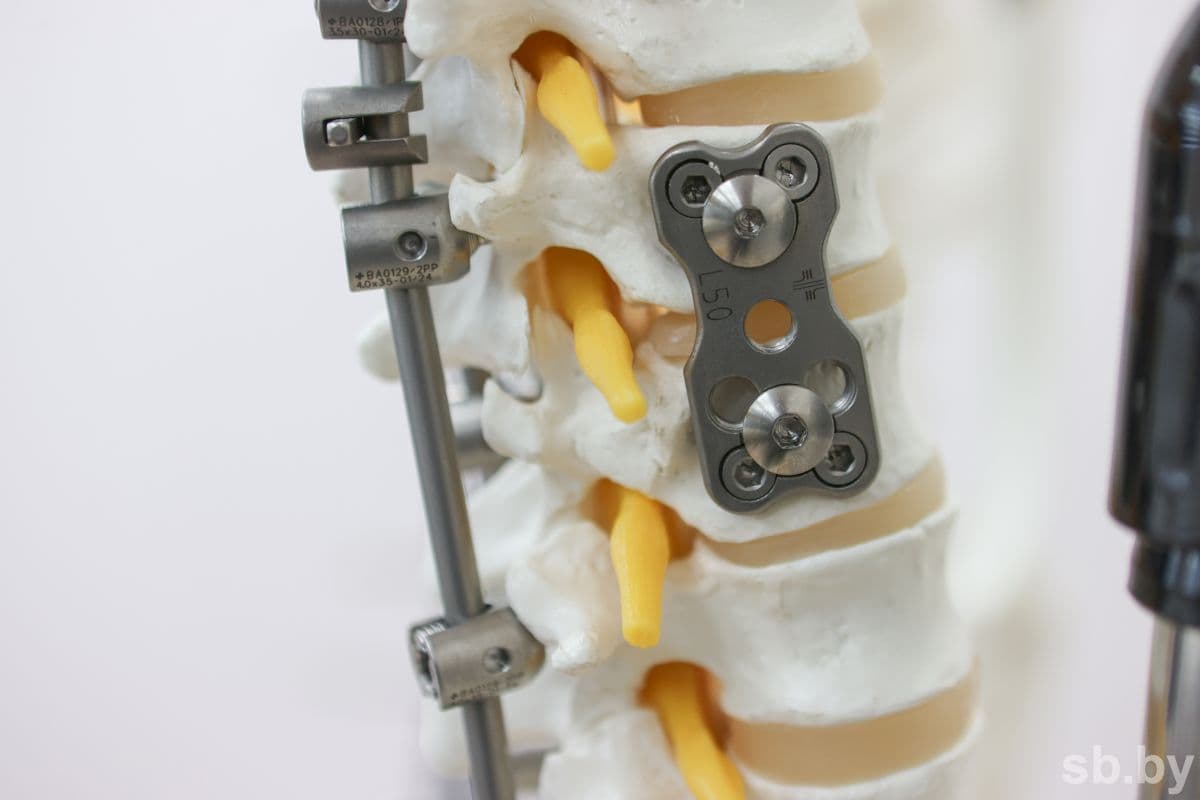
The waiting list for prosthetics of large joints in Belarus decreased by 10 times: from about 30 thousand to less than 3 thousand. The average waiting period for operations is from 1 to 3 months. In fact, this is the period that the patient needs to prepare for high-tech intervention.
THEME
In the RSPC traumatology and orthopedics treat injuries of the spine, spinal cord, sports injuries, joint pathology ... Surgery remains the main indicator of work: about 6 thousand operations per year, a significant part of them are complex and high-tech. Specialists perform interventions on the spine using cellular technologies, endoprosthetics of large joints, are engaged in complex reconstructive surgery in children, use minimally invasive methods of osteosynthesis.
basikirskaya@sb.by


