Collection of contributions in the Crimea exceeded 90%
We find out what a good result is provided and where the money collected in the general cauldron of residents of high-rise buildings in Crimea goes
We find out how a good result is ensured and where the money collected in the general cauldron of residents of high-rise buildings in Crimea goes.
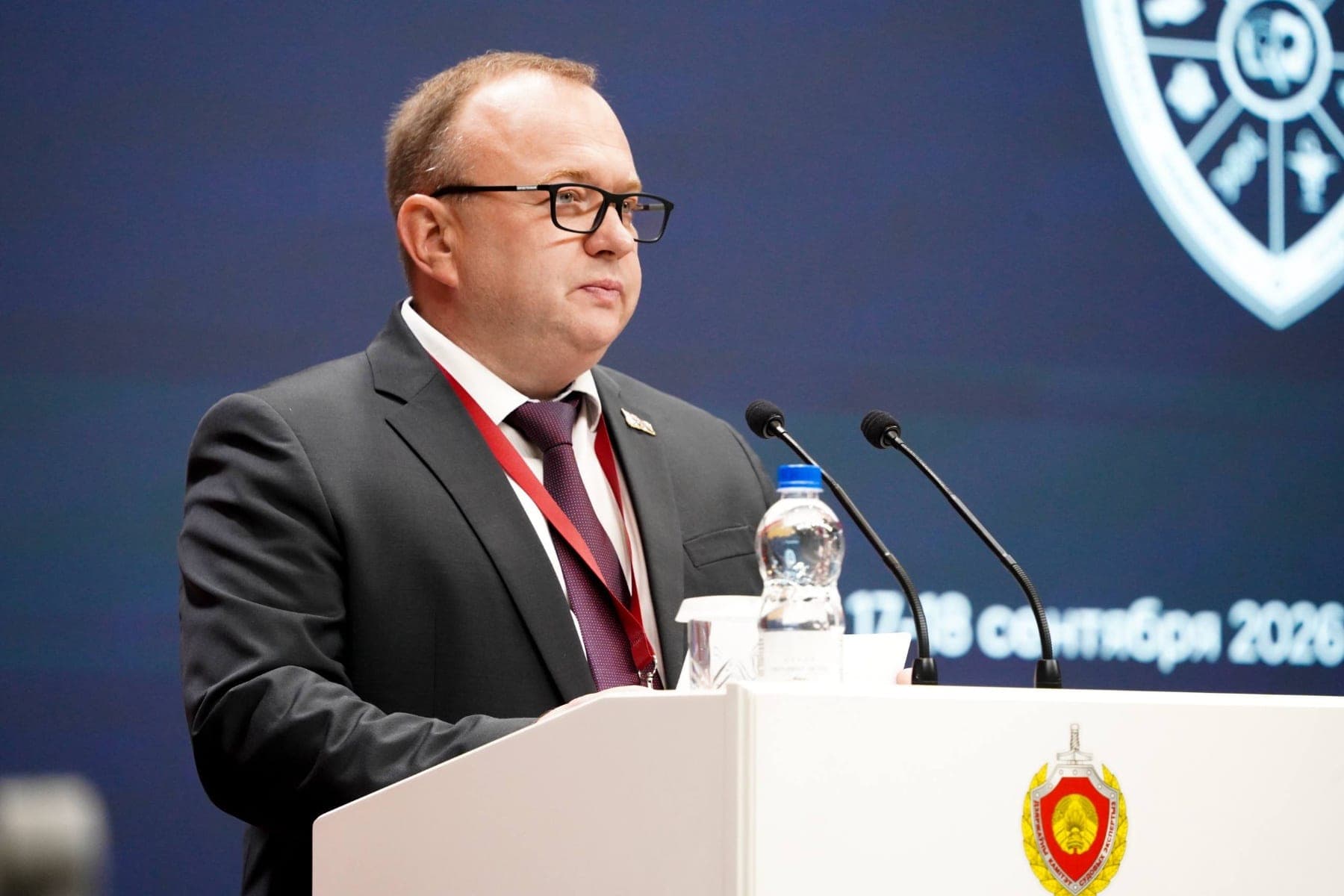
As the acting Director General of the non-profit organization “Regional Fund for capital repair of apartment buildings of the Republic of Crimea” Andrey Voronkov, organized systematic work with debtors.
- First, we call debtors with whom there is a telephone connection, - says Andrei Alekseevich. If there is no telephone connection, we send a warning by mail that you need to pay, remind you what consequences will be in case of non-payment. If the owner does not pay, we apply for a court order to the justices of the peace. When an order is issued, it is sent to bailiffs, who, regardless of what category the owners belong to, simply seize all their bank accounts. And here it is important to remember that even if debtors pay quickly, they will not immediately open their bank cards. I note that we react quickly: if money is received, we inform the bailiffs. But I would like not to bring it to this.
In order to receive funds to the Fund of capital repairs, and the owners do not accumulate debts, special actions are held in the Crimea. One of them started on August 17 and will last until December 30.
"If the owner of the premises pays the principal debt within the specified period, then the penalty will be written off automatically," Andrei Voronkov explains the conditions of the action. But here we are talking only about those owners who do not have any litigation with us. If we are already in court: there is a court order or lawsuit, then the owner, unfortunately, no longer takes part in this action. To date, more than 13 thousand personal accounts took part in this action, they wrote off the penalty. As a result, there is a reduction in the burden on owners and replenishment of the so-called general boiler, where owners make contributions for the overhaul of the MCD.
In turn, the director of ANO "Housing and Communal Services Control of the Republic of Kazakhstan" Anatoly Petrov notes that making contributions to the Capital Repair Fund is still a problematic issue of the communal sphere.
“People on the subject of overhaul want to know what they pay for, why and, most importantly, when it will be carried out,” says Anatoly Ivanovich. This system has been working for 10 years, and such questions arise. To be clear, the founder of the ICD Capital Repair Fund in Crimea is the Council of Ministers. It is he who controls the work of the structure and is responsible for it. It is very important to understand that this is not some invented organization. All the money, every penny goes to our MKD. And people are starting to realize that. When they started, about 30% were contributions. It's over 90 percent now. A very important role was also played by the claim work that is currently underway. We are often approached by conscientious people. They say they pay and the neighbors don't. Everyone wants to make the repair faster. And these unscrupulous citizens affect the timing of the overhaul, its quality.
Anatoly Petrov notes that the prospect of overhaul should not relax management organizations.
“There are people who believe that if the roof leaks in the house, worn out over the years of operation of the network, there is no need to do anything, because overhaul will come and the situation will change,” he says. We make it clear to those who manage the houses: you must maintain MKD. All kinds of work must be done. Including a satisfactory condition of all elements of common property should be ensured. And the pipes must not leak. And if the roof flows, the elimination time is one day. And to say that let it flow until the overhaul comes is incompetent.
Each owner residing in the Republic of Crimea can find out the timing of major repairs in his CD.
- We are implementing a regional program for the overhaul of the common property of the ICD until 2050, recalls Andrei Voronkov. Each house is registered in it and each type of work that will be performed in it, deadlines are determined. In addition, the Housing Code provides for a short-term plan for the implementation of the regional program, which is being developed for three years. It also clearly prescribes when and which house will be renovated if funding is available. All information is available on the website of the Fund and in the personal account of the owners.