
Somnologists explained to Volgograd how the night light and gadgets destroy sleep
Light directly affects the quality of sleep: the brain perceives darkness as a signal to rest, so any source of light in the bedroom can disrupt the recovery of the body.
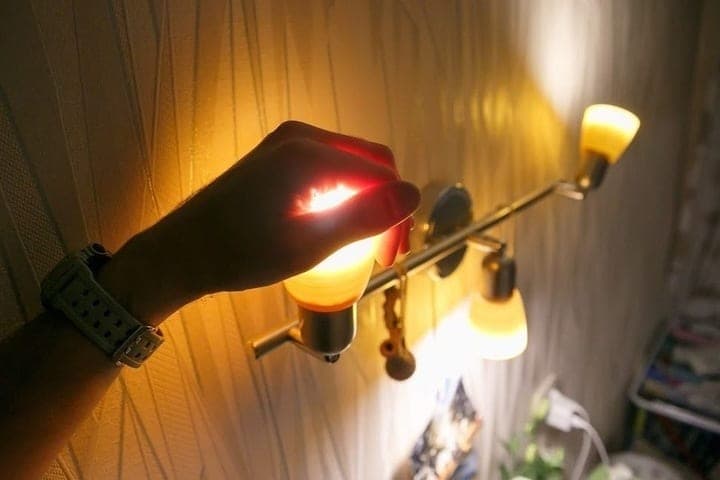
The human body is arranged according to the change of day and night. This rhythm controls the internal biological clock: in the morning, light wakes us, and in the evening its decrease tells the body that it is time to prepare for sleep. The central role is played by the pineal gland, which produces melatonin - a hormone that transfers the body to the night regime. Under its action, body temperature, blood pressure and blood glucose levels decrease, all processes slow down - this is how deep and calm sleep is achieved.
Light, on the contrary, inhibits the synthesis of melatonin. Somnologist Igor Lastochkin told “Explain.rf” that more than 70% of this hormone is produced in a dream, and if the sleeper gets light – the synthesis falls.
Consequences
Even weak illumination during sleep can result in metabolic disorders and an increase in the risk of diabetes, cardiovascular diseases, increased pressure and cholesterol levels, weakened immunity, deterioration of mood and well-being, eating disorders, chronic fatigue syndrome, an increased likelihood of cancer and neurodegenerative diseases, including Parkinson's disease.
Ilya Smirnov, head of the Department of Diagnostics of the Ministry of Internal Affairs, a somnologist of the highest qualification category, explained that even with closed eyes, photons of light penetrate through the eyelids and reach the light-sensitive structure of the retina.
“As a result, nocturnal secretion, that is, the release of melatonin, decreases, and the brain receives, so to speak, a fuzzy signal about the onset of night,” the expert noted. - There will be no frenzied problem from this, but with regular exposure, a night light signal can disrupt circadian rhythms. And the body subconsciously can confuse day with night. As a result, his recovery will be worse.”.
Nightlight influence
If the child is afraid to fall asleep in the dark, it is better to choose a night light with a dull warm light: it will light up the room slightly and create a sense of security. There will be no monsters under the bed and the baby will feel protected.
The best option is a luminaire with brightness adjustment: at night it should be lowered to a minimum. Place a night light at a short distance from the bed and direct so that the light gently scattered around the room, and not hit in the eyes.
It is important to remember another thing: darkness is critical for the recovery and growth of the child's body, because the bulk of growth hormone is produced in the phase of deep sleep.
How do you make a bedroom?
The less outside light penetrates the bedroom at night, the easier it is to create conditions for a full rest. Put the gadgets and TV at least an hour before bedtime, reduce the brightness of the screen. Make the lighting in the room warm or subdued – this will help the body smoothly switch to preparing for sleep. Close the windows with dense curtains: maximum darkening accelerates immersion in sleep.
If you do not completely darken the room, use a sleep mask. For a comfortable sleep, comfortable mattress and pillow are also important, a weighted blanket is also suitable - it creates a feeling of security. There are also special glasses that block the blue color; in some cases, with difficulties with falling asleep, they are also recommended, added Igor Lastochkin.
How do you break the habit?
Start by reducing the light in the room: first reduce the number of light sources, and then abandon them altogether. If there is one lamp in the room, replace the light temperature in it with a warmer one and gradually reduce the time of its operation - an automatic shutdown timer will help.
It is also useful to develop rituals for going to bed: the same actions from day to day, plus a constant time of laying, help the body relax more easily. The main thing is not to try to change the habit in one evening: it can backfire.
“If, after all, anxiety due to lack of lighting is quite pronounced, there is anxiety, a sense of insecurity, then you need to work with an anxiety disorder, most likely,” the expert concluded. This is also done by somnologists who have psychological aid tools.


