
Taboo on laziness, boasting and gossip on the day of Thomas Khlebnik: signs and fortune-telling on October 19, 2026
The Church on October 19, 2026 remembers the Apostle Thomas, one of the twelve closest disciples of Christ, as well as the Hieromartyr John Rybin, presbyter. In the national calendar, this date was called Thomas Khlebnik or Fomin Day. The holiday was associated with summing up economic results, baking bread and introducing children to crafts.
The apostle Thomas lived in Galilee and fished until he heard the preaching of Christ. He left home and joined Jesus in his wanderings, and was soon chosen as one of his closest disciples. According to legend, he was called a twin, because he looked very similar to Christ. One of the biblical episodes is associated with Thomas and is known to everyone at least by the nickname “Thoma the Unbeliever.” According to the Gospel of John, Thomas was not present at the first appearance of the resurrected Jesus to the apostles and could not believe the miracle. He believed in the resurrection of Christ only when the Savior appeared to him personally and allowed him to touch his wounds.
After the descent of the Holy Spirit, the apostle Thomas preached Christianity in India, where he founded Christian communities and accepted a martyr’s death for faith.
In Russia, the Apostle Thomas was revered for thrift and storage. The people said, “Take everything to Tom.” Croma was called a large bag or a place in a barn for storing grain and other products. From the same root came the words “block”, “modest” and “modest”.
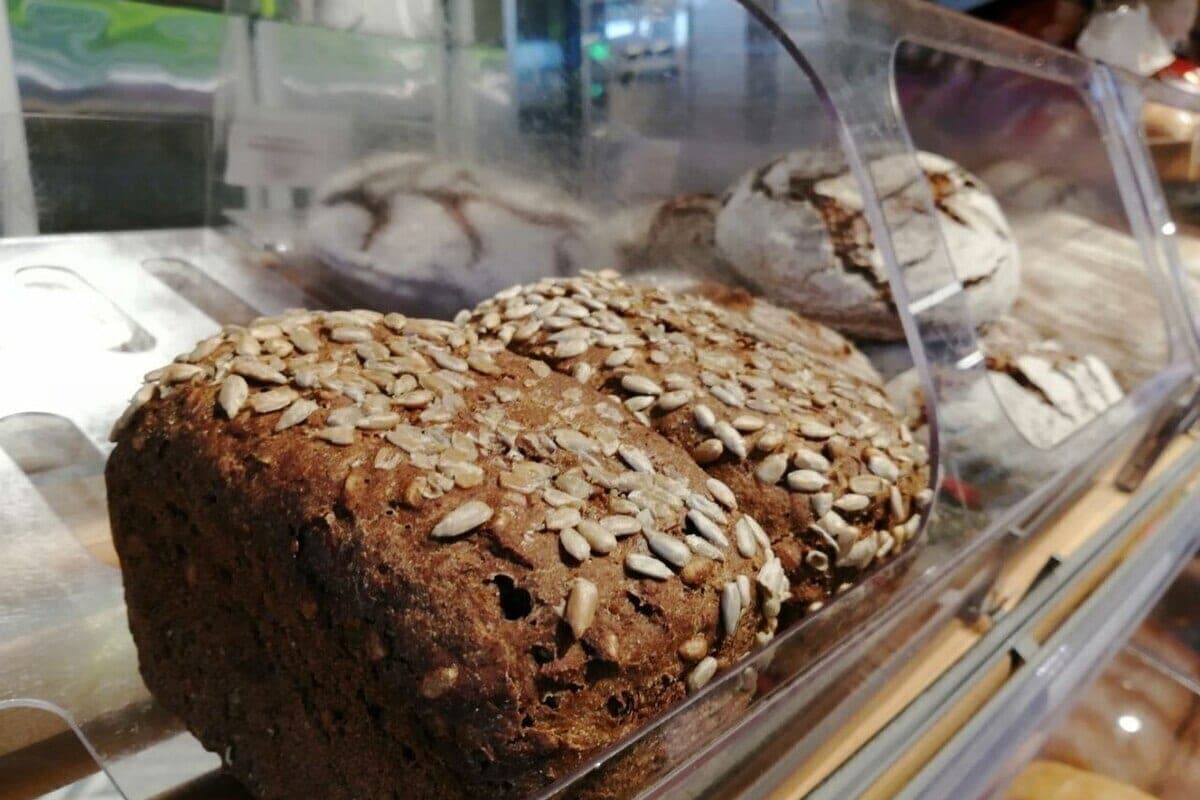
The first thing to eat on the morning of October 19 was a piece of bread. It was believed that this will bring abundance and prosperity to the house, and the winter will pass in satiety. By the day Fomin summed up the results of the year: determined the size of reserves and calculated how to spend them during the winter. Peasants went to church and put a candle to the Apostle Thomas as the patron saint of honest prosperity and all hardworking people. On Fomin day, loaf and bread were supposed to be baked, so the holiday received another name - Thomas the Bread. The hump from such bread should be given to the sick and weak: it was believed that such a treat would add strength and help to recover from ailments.
From this day on, parents began to introduce their children to work and crafts. Mothers taught their daughters sewing, knitting, weaving and cooking, and fathers taught their sons male duties. On this day, the sons who were going to marry were shown a box, allocating a separate regiment for them. This process was called "cutting suseki." A child born on Fomin Day was given a hump of fresh bread - this ceremony was performed for health and longevity. On this day it was possible to go shopping: it was believed that any acquisition will serve for a long time and please the owner.
The day had to work, care for stocks and family traditions:
The day is associated with many prohibitions, the violation of which, according to legend, could attract trouble:
Weather on this day judged what the winter will be and the next harvest:
Dreams on the night of October 19 can be symbolic, with a touch of nostalgia, but they are already visible contours of the future. Everything you dreamed of that night shows you what it is time to get rid of and what is ready to enter your life.
People from the past: Don’t take this as a sign of a relationship renewal. The dream indicates the completion of an old emotional duty. If you wake up feeling light, then forgiveness has happened.
Home from the past: Your subconscious mind takes you back to your roots. It's not a call back, it's a reminder that your strength is in who you are and what you've already gone through.
Road, road, bridge, train or plane: change is coming. You are ready to move on, even if it is not clear. It is a symbol of inner movement forward, renewal of goals and meaning.
Sleep on this night is considered cleansing and guiding. It tells you where you are stuck in the past, and gently brings you to a new line of fate. After waking up, it is recommended to write down everything that is remembered: this will help to see patterns and signs.


