
"It shouldn't happen again." Nina Danilova on the inadmissibility of the shortage of drugs on the Don
The issue of the availability of vital medicines for residents of the Rostov region remains relevant, despite the existing state support programs
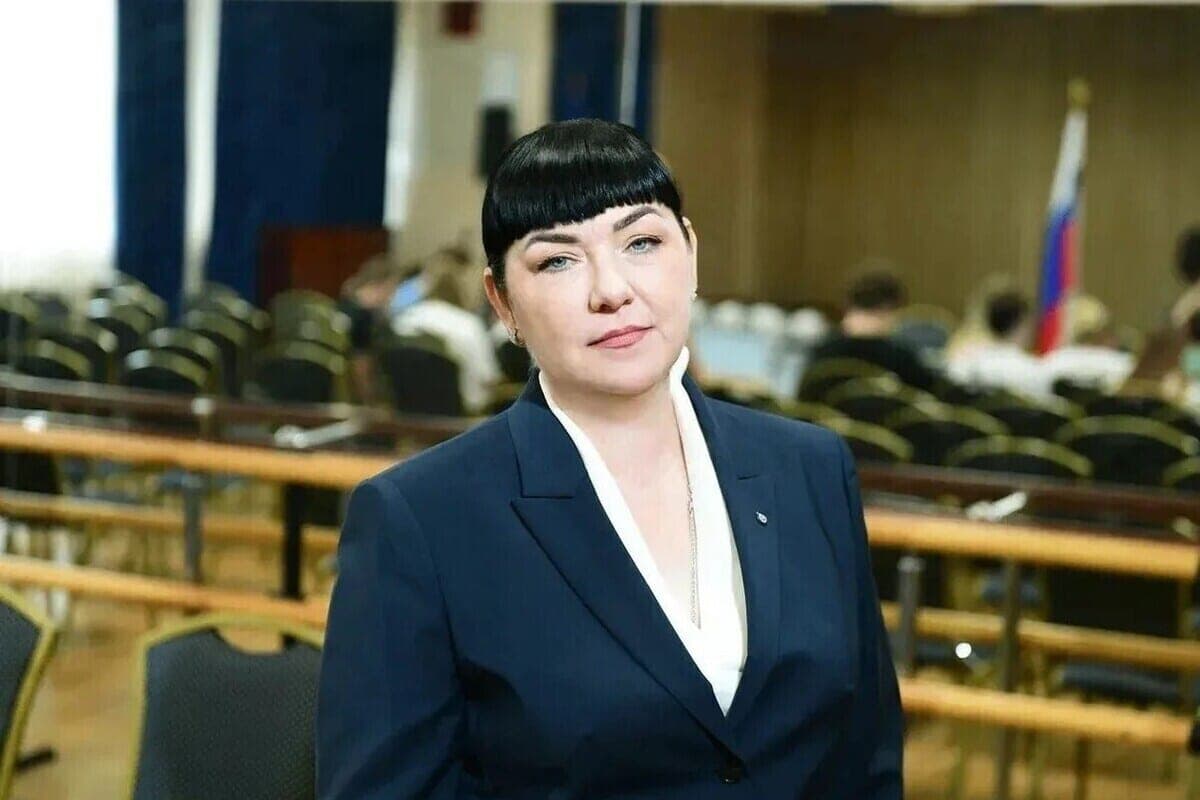
The issue of the availability of vital medicines for residents of the Rostov region remains relevant, despite the existing state support programs. This was stated by the head of the subcommittee on pharmaceuticals and the circulation of medicines of the Rostov regional branch “Business Russia” Nina Danilova.
Russia has an extensive system of drug provision, including preferential drugs under the MHI policy, federal and regional programs. The list of vital and essential medicines (VEDs) includes 827 items, which allows patients with chronic diseases to count on state support. The regional Ministry of Health emphasizes that all citizens entitled to preferential security are subject to mandatory provision with the necessary drugs, and there is no priority in this system.
The strategy for the development of the pharmaceutical industry of the Russian Federation until 2030 is aimed at increasing the competitiveness of domestic manufacturers and strengthening their positions in the market. The development and implementation of new medical technologies, as well as the creation of competencies to respond to possible defects, are key areas of state policy in the field of health care. This is necessary to ensure the strategic independence of the country. According to the Ministry of Health, only in 2025, more than 50% of drugs delivered under contracts for preferential categories of citizens were domestically produced.
The procedure for the purchase of medicines for preferential categories of citizens in the Don in 2026 began in August 2025. Currently, the delivery and acceptance of goods under concluded contracts continues. To receive preferential medicines, the patient must consult a doctor at the place of attachment. The appointment and prescription of drugs is carried out by the doctor based on the nature of the disease after examination of the patient.
According to Nina Danilova, despite the measures taken, residents of the region still face the lack of certain medicines.
Many Russian pharmaceutical enterprises are reaching a good level of import substitution, but, unfortunately, there are no individual medicines. This deficiency affects the most vulnerable categories of the population, who should receive drugs for free or at discounted prices, but people complain about their lack, Danilova comments.
She gave an example of a shortage of saline, which occurred due to problems with the supply of European containers for bottling.
“This should not be repeated in our region, so our goal is to make sure that residents of the Rostov region do not face a shortage of vital medicines and receive it in a timely manner,” said Nina Danilova.
It should be recalled that free medicines under compulsory medical insurance and within the framework of state social assistance are provided for inpatient and outpatient treatment, for federal and regional beneficiaries, as well as for patients with rare diseases, oncology, etc. There is also a right to a 50% discount on prescription drugs for pensioners and other categories of citizens established by regional legislation.


