
Cockroaches in the house: invisible neighbors that can cost you health
While you sleep, they go hunting
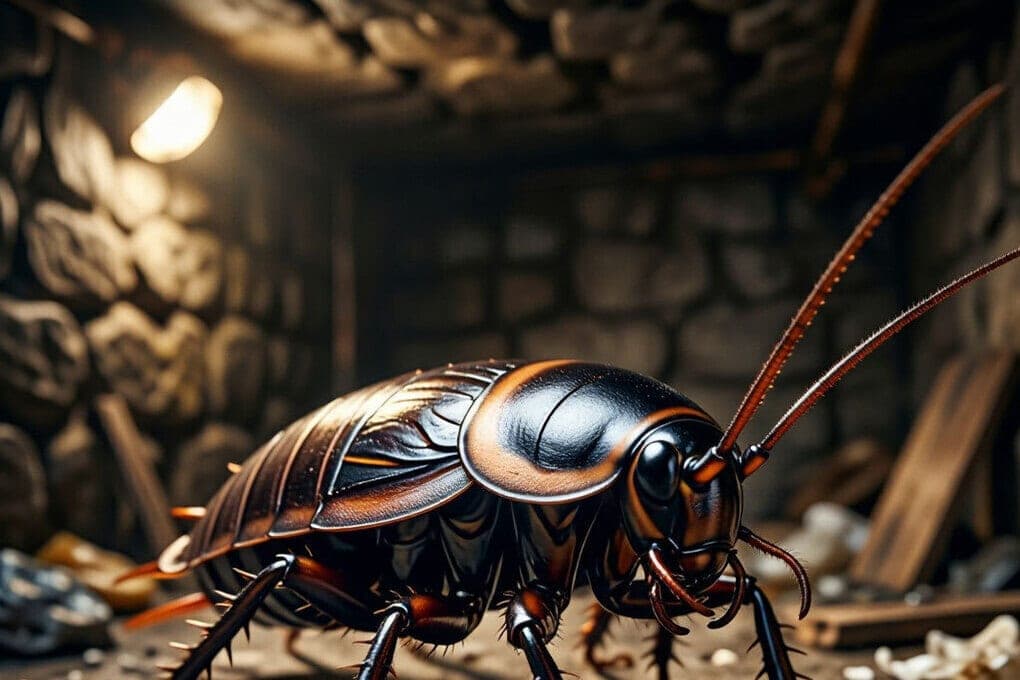
From the trash can to your desk
Imagine: a cockroach has just run through the walls of a dumpster, looked into the sewer drain, and a minute later it walks on the kitchen table. This is how — mechanically, on the legs and chitinous cover — these insects carry the pathogens of salmonellosis, dysentery, gastroenteritis and even the Mycobacterium tuberculosis bacteria that cause tuberculosis. Together with them, helminth eggs fall into the house - roundworm, pinworm, whipworm, ribbons. Infection occurs imperceptibly: it is enough to eat the product on which the “guest” stood, or touch the contaminated surface.
Allergies that last for years
Few people know: even after the colony of cockroaches managed to withdraw, the threat does not disappear. Excrement, saliva, particles of chitinous cover after molting and the remains of dead insects are mixed with house dust. When inhaled, they cause a runny nose, sneezing, coughing and shortness of breath, skin rashes and itching. In children - provoke exacerbation of bronchial asthma. The trick is that cockroach allergens are thermally stable: they retain properties for years, accumulating in carpets, upholstered furniture and ventilation shafts. That is, “left and forgotten” does not work here.
Grab wallpaper, clog equipment, leave a smell
Damage to property is a separate chapter. Cockroaches are attracted to glue and cellulose, so they spoil wallpaper, book binding, cardboard, textiles and furniture. They penetrate into refrigerators, microwaves and coffee machines, disrupting their work and provoking short circuits due to the accumulation of excrement and chitinous cover. Large colonies create a persistent musty smell in the room. And cockroaches contaminate food and dishes, leaving excrement, skin particles and eggs on them - such food is no longer suitable.
Rare but unpleasant risks
Cockroaches rarely bite, but with a large number or lack of food can damage the skin. The bite itself is not dangerous, but bacteria from the legs of the insect can cause inflammation. At night, cockroaches can crawl into the ear or nose in search of water and shelter - this is accompanied by pain and the risk of infection. Pets also suffer: insects can be carriers of parasites and cause allergies in pets. Add to this the risk of insecticide poisoning during processing - and the picture becomes completely unsightly.
Young children are particularly vulnerable due to immature immunity and frequent contact with the sex, as are the elderly and those with chronic illnesses or weakened immune systems.
What do I do?
When cockroaches appear, you need to act urgently: eliminate food and water sources, close the cracks, conduct a thorough cleaning with detergents. If you can not cope independently - contact professional disinfectors. In the case of cockroaches, delay is more expensive: both literally and in terms of health.


