
Heat supply organizations of the Tula region check before winter
Deputy Prime Minister of Tula region Natalia Anikina took part in the Federal meeting of Rostechnadzor via video link
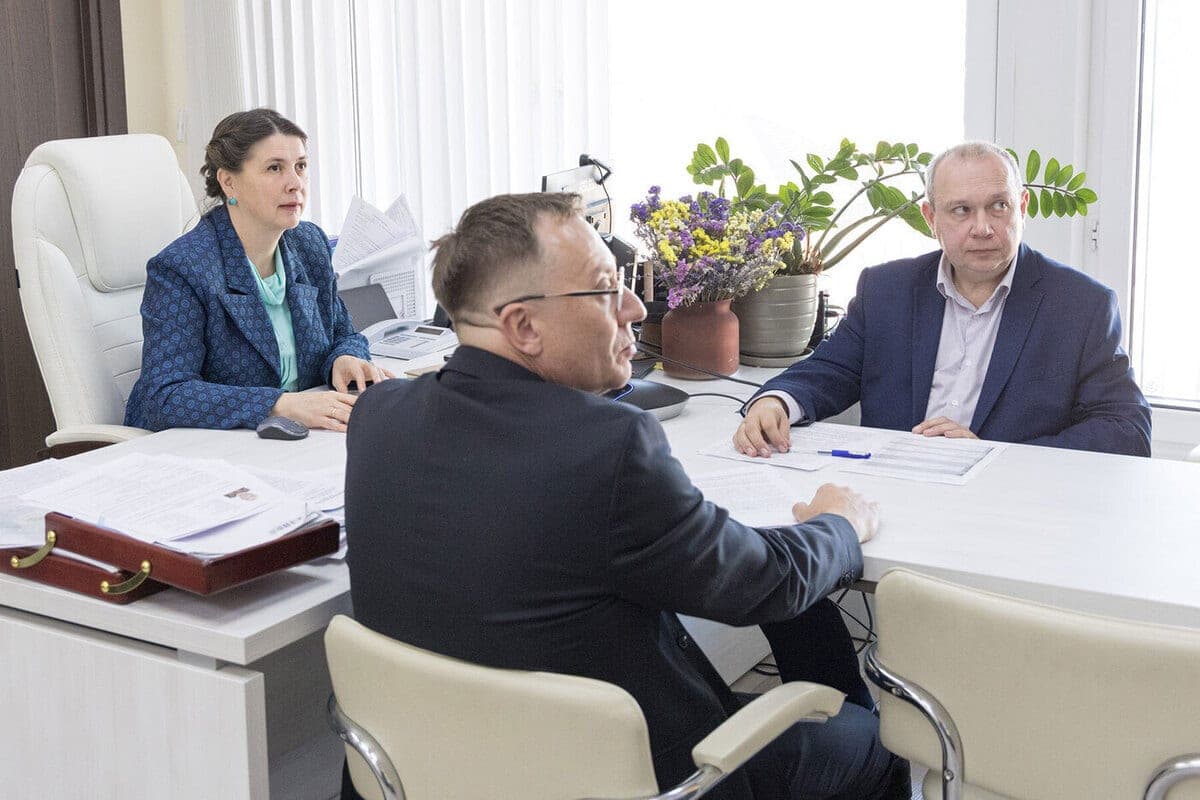
Deputy Prime Minister of the Tula region Natalia Anikina took part in the Federal meeting of Rostekhnadzor via video link. The participants discussed the completion of the assessment of the readiness of heat supply and heat grid organizations for the autumn-winter period, the press service of the regional government told MK in Tula.
It should be noted that in the Tula region, the inspection of municipal infrastructure together with Rostekhnadzor began a month earlier than the deadline. This has enabled more attention to preparatory activities in municipalities.
In the regions, regular interaction with the supervisory authority has been organized: joint headquarters and seminars are held, and representatives of municipalities receive the necessary training. Rostechnadzor also provides practical and methodological assistance in preparing for the heating season.
First, the certificates of readiness must be received by heat supply organizations - until November 1. Then the documents will be issued by the municipalities: 35 of them have a deadline until November 20.
Natalia Anikina stressed that the main thing is not the receipt of a passport, but the reliable operation of municipal infrastructure throughout the winter. According to her, in the region every year comprehensively prepare areas for the cold: update infrastructure and train specialists. Joint work with the Prioksky management of Rostekhnadzor helps to find shortcomings in time and eliminate them before serious problems begin.
We will remind, earlier “MK in Tula” reported that the Governor Dmitry Milyaev instructed the heads of municipalities to control the appeals of residents about heating. According to information from the Minister of energy of the Tula region Eduard Golovin, the heat began to serve on October 2. By October 6, heating appeared in all social institutions, and by October 8, residential buildings were connected. After the launch of the system, specialists continued to remove air from the pipes in the apartments. Appeals from residents are received by management companies and municipal hotlines, which will operate until the end of the heating season.
Since the beginning of the heating season, residents have sent about 5,700 messages. They dealt with cold batteries, heating adjustments and issues related to heat start-up.


