
Digitalization should serve people, not lead to social inequality – Deputy Minister of Labor and Social Protection
For the Republic of Belarus, which has a powerful intellectual and IT potential, a strong industrial base and a developed agro-industrial complex, the digital digital economy is a...
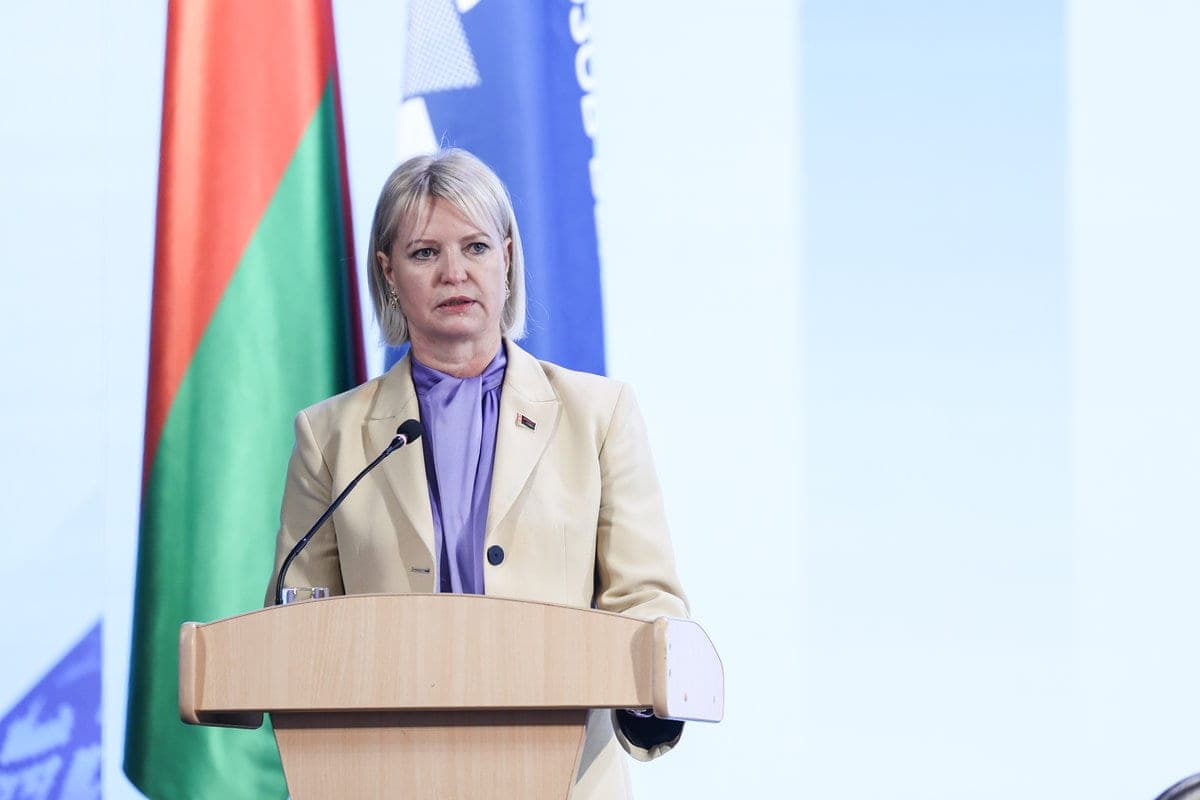
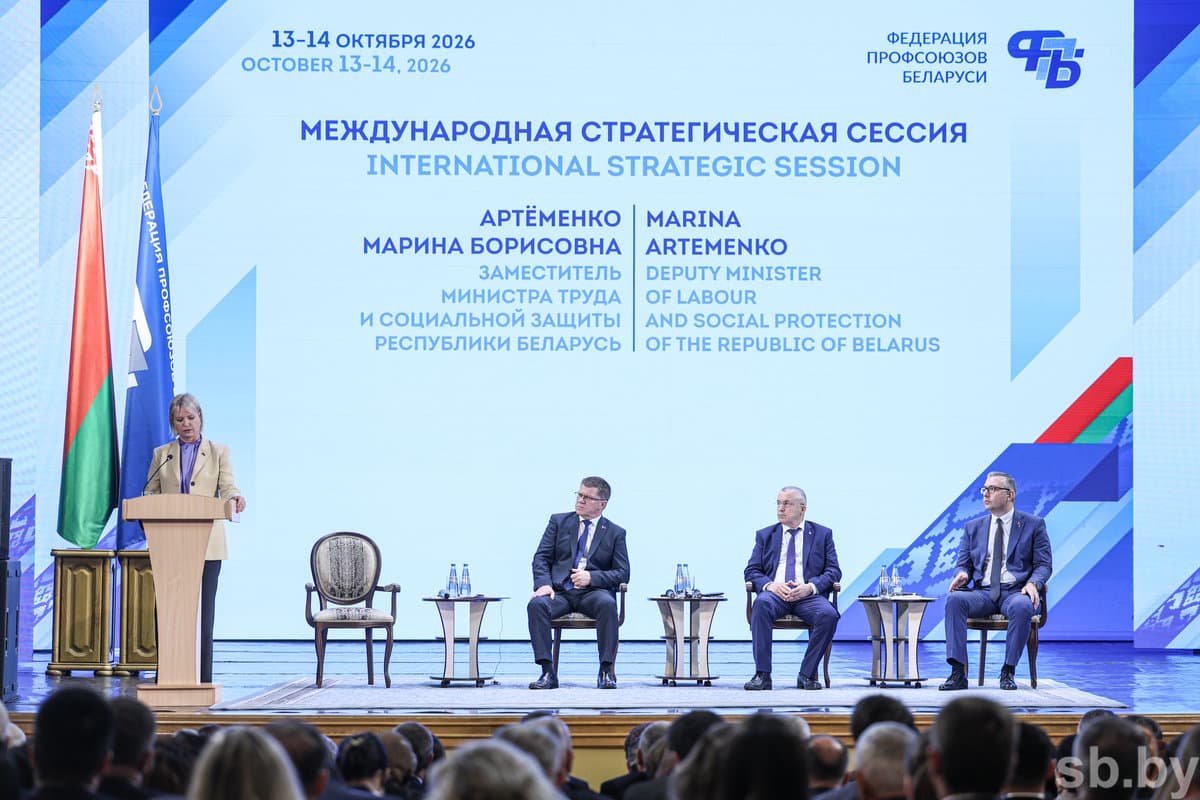
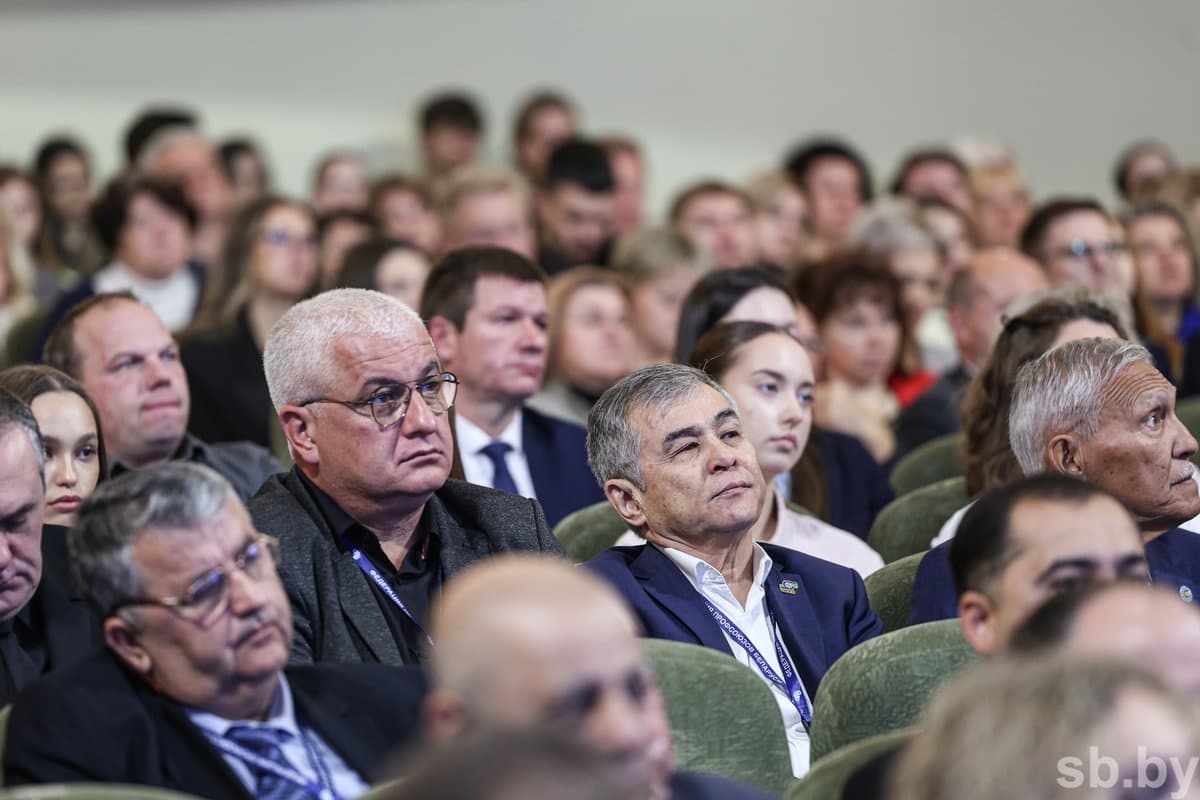
For the Republic of Belarus, which has a powerful intellectual and IT potential, a strong industrial base and a developed agro-industrial complex, digital transformation is not just a technological upgrade. This is a strategic choice in favor of increasing the competitiveness of the state. This was stated by Deputy Minister of Labor and Social Protection of Belarus Marina Artemenko at the International Strategic Session “Fair Transformation of the Labor Market in the Context of Digital Technologies” held today, October 13, in Minsk, which gathered representatives of national trade union centers and industry unions, scientific and expert communities of almost 30 countries in the Belarusian capital.
The fourth industrial revolution, artificial intelligence, robotics, big data are no longer futuristic predictions. This is a reality that daily shapes the structure of the economy, the nature of employment and the very essence of labor relations, said Marina Artemenko:
- For the Republic of Belarus, which has a powerful intellectual and IT potential, a strong industrial base and a developed agro-industrial complex, digital transformation is not just a technological upgrade. This is a strategic choice in favor of increasing the competitiveness of the state. However, as the ministry responsible for the sphere of labor and social protection, we are clearly aware that behind every technological breakthrough, behind every percent increase in labor productivity, there are living people. The main task of the state and social partners is to ensure that digital transformation is not a spontaneous process that leaves some workers behind progress, but is managed by fair evolution. Digitalization should serve people, improve their working conditions, increase their well-being, and not lead to social inequality and vulnerability.
Analyzing the ongoing processes, we can identify five key challenges that require a strategic response from the state, trade unions and employers, the Deputy Minister of Labor and Social Protection said
The first challenge is structural unemployment and the polarization of qualifications. Digitalization inevitably leads to the transformation of the professional qualification structure. The labor market is changing dynamically under the influence of technology and economic conditions. We already see today, for example, how the shortage of cashiers directly stimulates retailers to automation, the widespread introduction of cash services. This is an example of how technology is starting to replace labor. In this regard, the sphere of information and communication becomes the absolute leader in terms of growth in demand for personnel. Digitalization of the economy is already a practical reality that creates high-paying jobs. It is in the IT sector that we see the highest salaries in new jobs created, which, of course, is a powerful incentive for the flow of personnel and the choice of appropriate educational trajectories by young people.
The second challenge is the erosion of traditional forms of employment. Remote work, freelancing have become an integral part of the new labor ecosystem, said Marina Artemenko. On the one hand, they provide flexibility, the ability to combine, expand access to jobs for vulnerable groups of the population, women on maternity leave, people with disabilities, youth. On the other hand, there are risks of transition from stable, officially guaranteed labor relations to temporary and informal employment with a possible loss in the social guarantee of rights.
The third challenge is skills deficit. The pace of technological change is now outpacing the pace of educational programs. The knowledge acquired by a freshman at a university or college by the time of his graduation may be partially outdated. The Deputy Minister stressed:
The modern labor market needs not just professional skills, but flexible skills combined with digital literacy. The concept of lifelong education is replaced by the concept of lifelong learning, but motivation from both employees and business is important for its implementation.
The fourth challenge the representative of the Ministry of Labor called new risks in the field of labor protection and health of workers:
- Digitalization reduces the share of heavy physical labor, reduces industrial injuries by removing a person from dangerous areas, and this is an absolute plus. But traditional risks are being replaced by a new generation of risks. This is a colossal psycho-emotional load, burnout syndrome, stress caused by the need to constantly be in touch, the blurring of the boundaries between working and personal time during remote work. Hypodynamia, monotony of labor form new challenges for occupational medicine and require revision of standards of industrial sanitation and ergonomics.
The fifth challenge is the threat of digital inequality. Technological advances could deepen social fault lines. We are talking about the age aspect, these are older workers who often experience psychological and practical difficulties in mastering new software and data processing, Marina Artemenko explained.
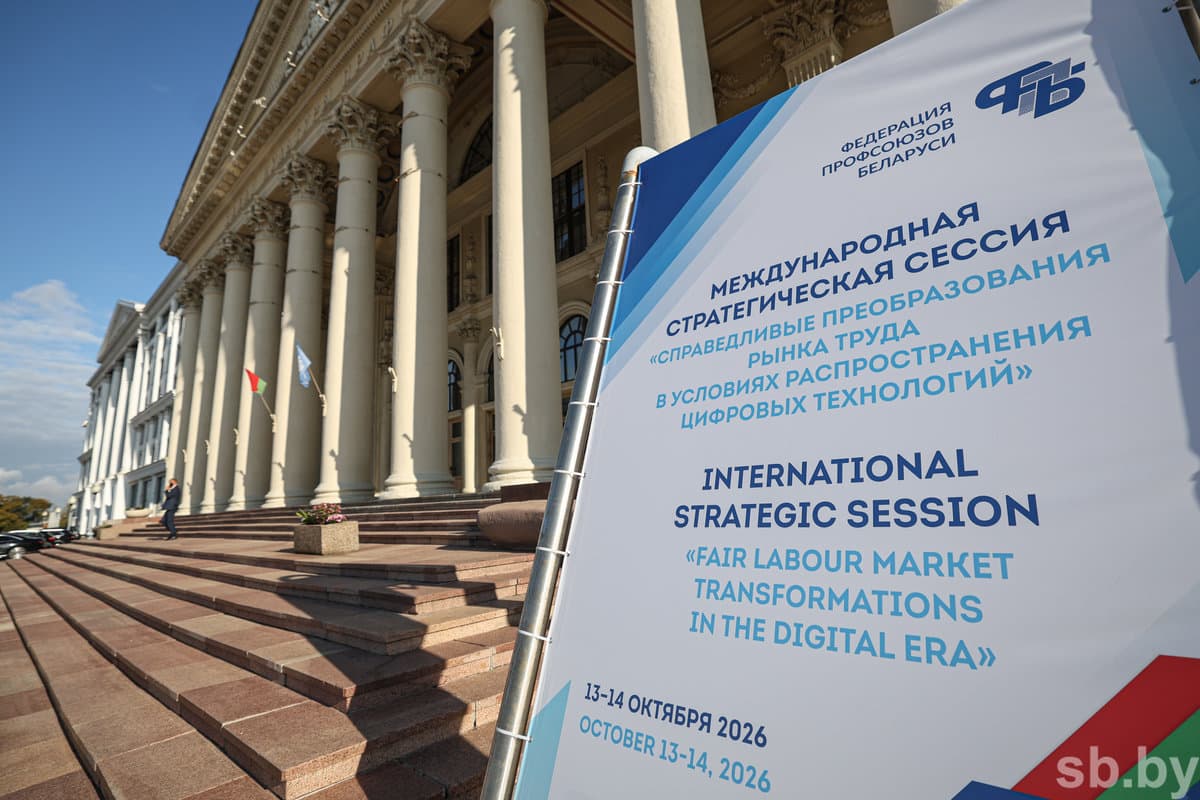
The International Strategic Session, which takes place on October 13-14 in Minsk, aims to develop new practical mechanisms to protect the interests of workers in the context of the transformation of the labor market into the digital age. The participants will focus on finding coordinated approaches to ensuring decent work, protecting workers’ rights and preserving social guarantees in the context of rapid technological development. New Markets and New Economy Require Readiness: General Confederation of Trade Unions


