
“Do you have free transfers here?” The British saw the Moscow metro and was shocked. I saw my balance on the map after the trip and just stopped talking
A guest from London came to Moscow, got on the subway, but did not understand anything: he used to pay for each transfer. In Moscow, he got a map and was stunned.
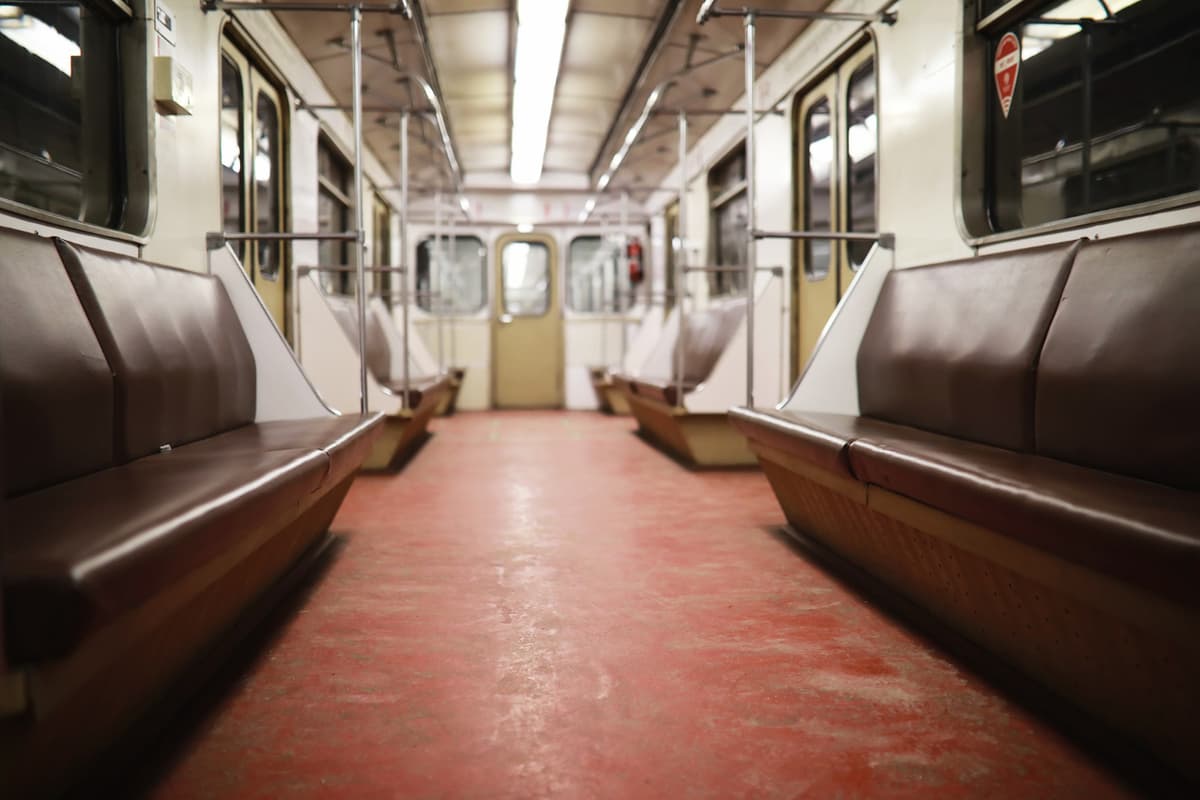
The London Underground is considered the oldest in the world. For the British themselves, Tube has long been a familiar part of life, although with local fares, things are not so simple. The cost of the trip depends on the zones, time and route, so the usual road from the suburbs to the center during peak hours can cost 6-8 pounds.
Arthur, a native Briton, came to Russia on vacation to a university friend. One day he had to get from Moscow to the other end of Moscow. The route turned out to be quite saturated: first the MCD train, then the metro, and at the end the bus to the desired residential complex.
A friend gave Arthur a transport card, put 200 rubles on it and calmly said:
- You've got enough for the day.
The British were suspicious of this. In London, switching from one mode of transport to another usually means new costs.
- I was sure the money would run out at the start of the trip. If you change from train to subway or from subway to bus, you can pay for the trip several times, said Arthur.
The first part of the route he drove to the IDC. Then moved to the subway and already at the entrance to the subway prepared to see another write-off. But the map worked quietly and there were no further surprises.
There was another bus transfer later. Arthur put the map back on and began to suspect something was wrong.
- I didn't know if I was being charged money or if the system just didn't show the information right away. So when we arrived, I asked a friend to check the balance.
It turned out that for several transfers, the money was not really written off separately. Under the current rules, the trip with transfers cost him much cheaper than he expected.
It was an unusual experience for Arthur. He is used to a system where the cost of travel is directly linked to zones and separate fares on different modes of transport.
- We often talk about using public transport and driving less. But the trip itself can be quite expensive. Here I liked that transfers do not become a separate expense item every time you change vehicles.
For Muscovites, such a system has long become commonplace. We pay more attention to the delay of the bus or another failure in the subway than to the principle of payment for the trip. But for a foreigner, the usual route with several transfers can be an unexpected discovery.
Still, the question remains: how fair are transport tariffs in different countries? Where is it more convenient to pay for the whole trip, and where is it more logical to calculate the cost depending on the route and the number of zones?