
Died People's Artist of the RSFSR Lidia Fedoseyeva-Shukshina
In Moscow on the 89th year of life died people’s artist of the RSFSR Lidia Fedoseyeva-Shukshina
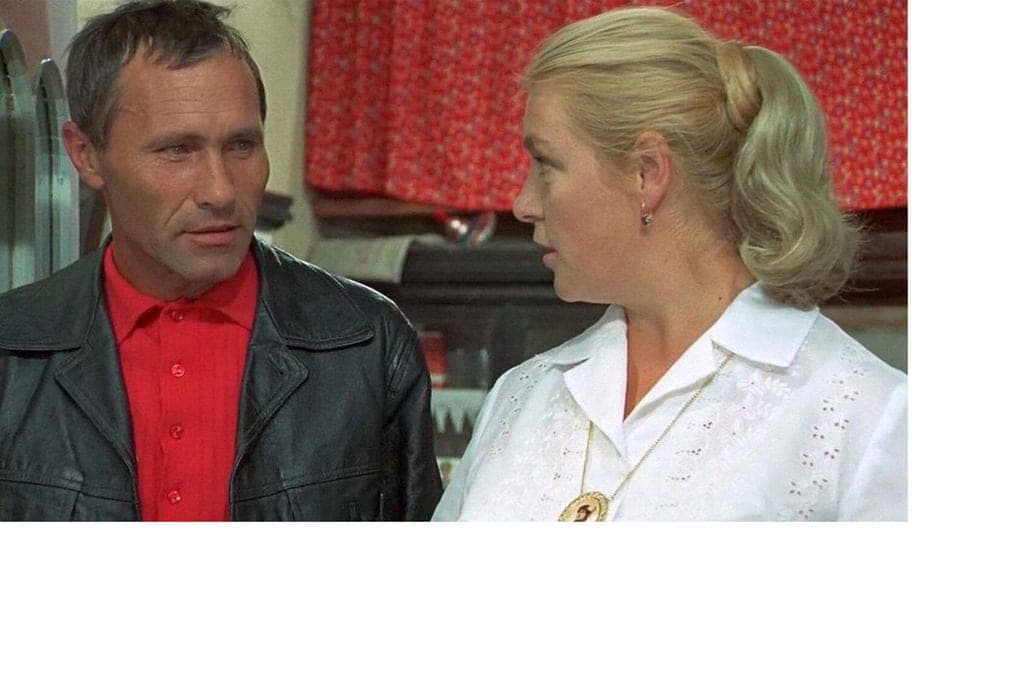
In Moscow on the 89th year of life died people’s artist of the RSFSR Lidia Fedoseyeva-Shukshina. On November 7, her daughter Maria Shukshina announced the death of the actress in her Telegram channel.
According to the daughter of actress Olga Shukshina, the cause of death was heart failure. On October 11, the actress was in intensive care. Before hospitalization, she had a week of shortness of breath and swelling, but she did not go to the doctors. An ambulance was called when she began to choke and stopped walking on her own.
After 10 days, Shukshin was connected to a ventilator and put into a medical coma. Severe pneumonia joined heart problems and the kidneys began to fail.
At the end of October, Shukshina was assigned palliative status - the disease was recognized as incurable, therapy was directed to alleviate the condition during life. The body did not cope with the complications.
Lydia Fedoseyeva-Shukshina was born in 1938. She entered the history of Russian cinema as one of the brightest actresses of her generation. Viewers remember her for the films of Vasily Shukshin “Lives such a guy”, “Stoves” and “Kalina Red”. In total, the actress played with a hundred roles.
The actress was awarded the title of People's Artist of the RSFSR. Her creative biography is connected not only with cinema, but also with the theater: Fedoseyeva-Shukshina served for many years in the State Academic Theater named after Evgeny Vakhtangov.
Farewell to Lydia Fedoseyeva-Shukshina will be held on November 11 in the Kuntsevo Hall of Farewell in Moscow. The actress is planned to be buried at the Novodevichy cemetery, next to the grave of her husband. In Petrozavodsk and Sortaval, literary and musical evenings and concerts in memory of Vasily Shukshin are regularly held.
Lydia Fedoseyeva-Shukshina left a noticeable mark in Russian cinema and theater. Her heroines - strong, sincere, sometimes tragic and always alive - remain part of the cultural memory of the country.


