
XII International Historical School was held in Kursk
XII International Historical School dedicated to the preservation of cultural heritage objects damaged during the hostilities was held in Kursk
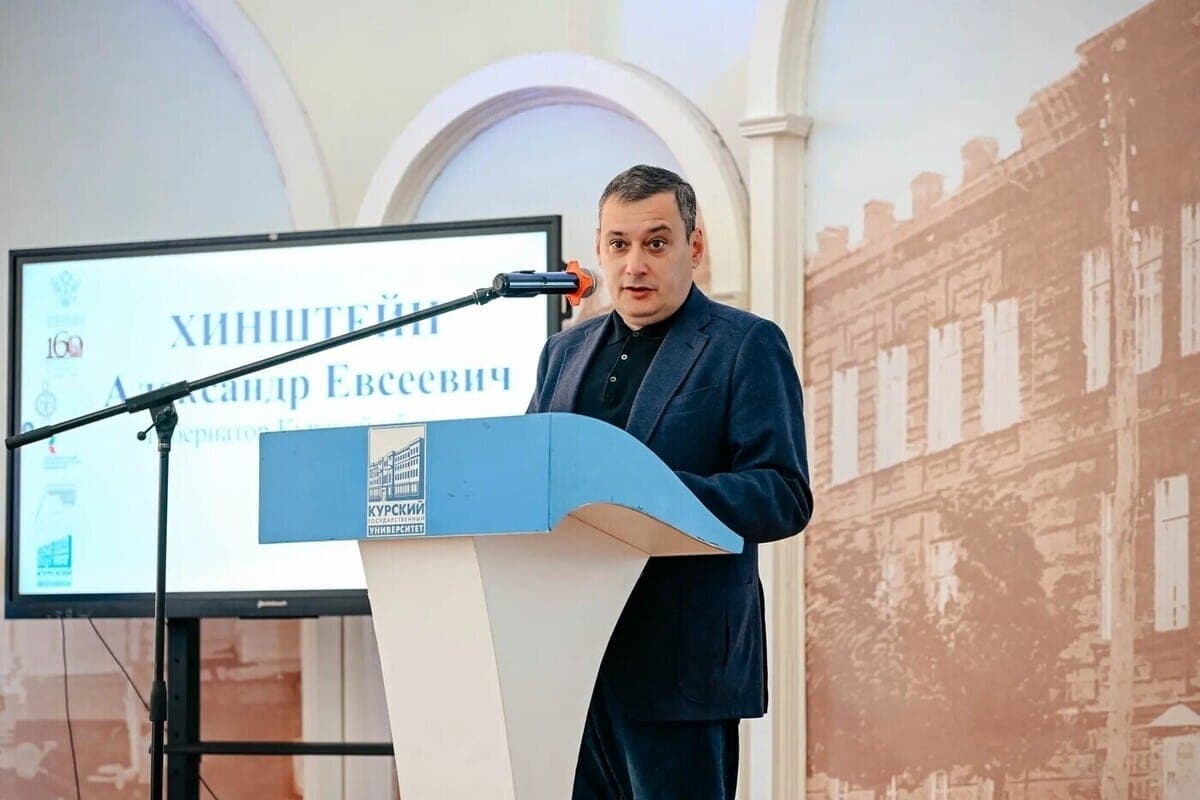
The XII International Historical School dedicated to the preservation of cultural heritage sites damaged during the hostilities was held in Kursk. The event was attended by 100 young historians from Russia and 22 foreign countries. The organizer was the Russian Historical Society with the support of the Ministry of Education of Russia. The opening was attended by the Chairman of the Board of RIO Ruslan Gagkuev.
In the region there are almost one and a half thousand objects of cultural heritage. Within the framework of the school, participants visited the main attractions: the Kursk Root Desert, the “Kursk Battle” memorial in Ponyry and the command post of the Central Front.
However, there is another side - the destroyed border facilities after the invasion of the APU. Among them are the Sudzhan Museum of Local Lore, the fate of the archaeological collection of which is still unknown, and the Gornal Monastery is a symbol of the liberation of the Kursk land from the invaders. As the Chairman of the Russian Historical Society Sergey Naryshkin assured in his video message, the monuments will be restored – there is a direct order of the President.
This is especially important for the Kursk region. One of the country's oldest cities, Russia's 1,000-year-old outpost, the region has once again faced barbaric enemy attacks. On the example of the Kursk region, the participants of the school saw that preserving the heritage and strengthening the bond of generations is a direct duty and necessity for everyone.
Within the framework of the International Historical School, five educational tracks were held: digital preservation of heritage, the experience of the Great Patriotic War, the restoration of monuments in the SVO zone, the history of art, the place of monuments in historical memory, as well as the conference “Memory under Fire”. These events introduced participants to modern tools for heritage preservation.
In parallel with their studies, young historians worked in teams on their own projects. The organizers expect that the participants will continue to find opportunities to implement their boldest ideas.


